India's First Openly Queer MP Enters Parliament
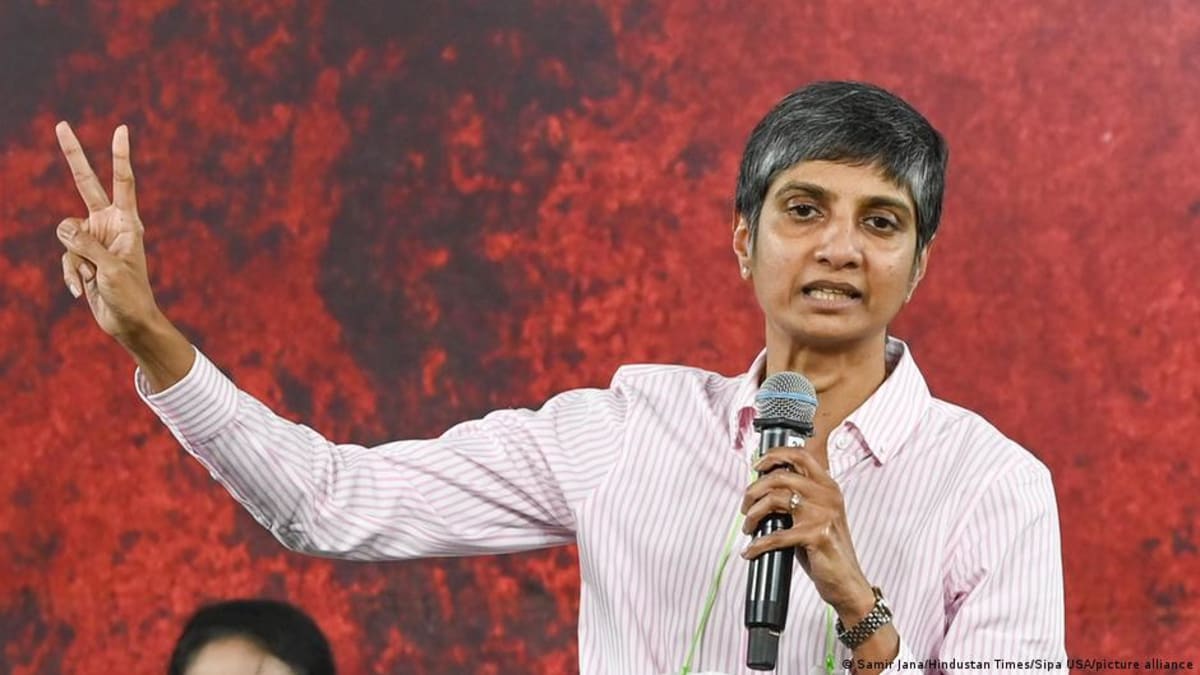
Menaka Guruswamy, the lawyer who helped overturn India's ban on same-sex relationships, just became the first openly queer person to serve in India's national parliament. Her election to the Rajya Sabha marks a historic moment for LGBTQ+ visibility in Indian politics.
A constitutional lawyer who changed history is now making it again. Menaka Guruswamy, who successfully argued before India's Supreme Court to decriminalize same-sex relationships in 2018, has become the first openly queer person ever elected to any level of India's national parliament.
The 51-year-old Oxford and Harvard-educated lawyer joined the Rajya Sabha, India's upper house, last week. She was selected by the Trinamool Congress party, which now has five women among its 13 Rajya Sabha members.
"For decades, LGBTQ people in India have often been spoken about in debates on rights and dignity, but rarely represented in the spaces where those decisions are made," said LGBTQ+ rights activist Vishwa Schoolwallah. That just changed.
Guruswamy brings serious credentials beyond her identity. She's a well-known voice on constitutional law, democracy, and civil liberties who has argued landmark cases before India's highest courts. Her 2018 victory alongside her partner, lawyer Arundhati Katju, struck down a 158-year-old colonial law that criminalized consensual same-sex relationships.
India has seen openly queer politicians before, but only at state and local levels. Shabnam Mausi became the first openly transgender person elected to public office in 1998, serving in the Madhya Pradesh state assembly. Others followed in Chhattisgarh and Delhi, though few built long political careers amid persistent social stigma.
Guruswamy said the Constitution's values of equality, fraternity, and non-discrimination have guided her life and work. She hopes to carry those ideals into parliament while representing the people of West Bengal state.
Why This Inspires
Malavika Rajkotia, a prominent family lawyer, sees Guruswamy's election as sending two powerful signals. The LGBTQ+ representation matters, but equally important is what the Trinamool Congress party represents: fearless, intelligent, inspirational women standing against what Rajkotia calls "toxic crude masculinity that defines present day politics."
Activist Preeti Sharma believes an openly queer MP in parliament "has the potential to broaden public debate, normalize conversations around LGBTQ rights and gradually reshape political attitudes." Many hope her presence leads to stronger protections against discrimination and greater dignity for LGBTQ+ families.
Not everyone sees her election as an automatic win for the community. Gay rights activist Sharif Rangnekar welcomes the visibility but cautions against assuming she can speak for an entire community spanning diverse identities, regions, and social realities. "The bigger question is whether she becomes a flag bearer for the community," he said.
Major battles remain unfinished. India's Supreme Court declined to legalize same-sex marriage in 2023, passing the responsibility back to Parliament. That decision left a significant gap between the growing visibility of LGBTQ+ Indians and the country's legal framework.
Guruswamy now sits in the very body that could close that gap.
Based on reporting by DW News
This story was written by BrightWire based on verified news reports.
Spread the positivity!
Share this good news with someone who needs it