
India's First Private Rocket Launches Saturday
A former government space engineer quit his job to build a "cab service to space," and this weekend his startup becomes the first private Indian company to launch a rocket into orbit. If successful, India joins the US and China as the only nations with private companies capable of orbital launches.
Imagine booking a rocket like you'd call an Uber. That's exactly what's happening Saturday when Skyroot Aerospace launches India's first privately built orbital rocket.
Pawan Kumar Chandana left his dream job at India's space agency in 2018 with a bold vision. He wanted to end the frustrating wait times that force satellite companies to spend months or even years getting their equipment into space.
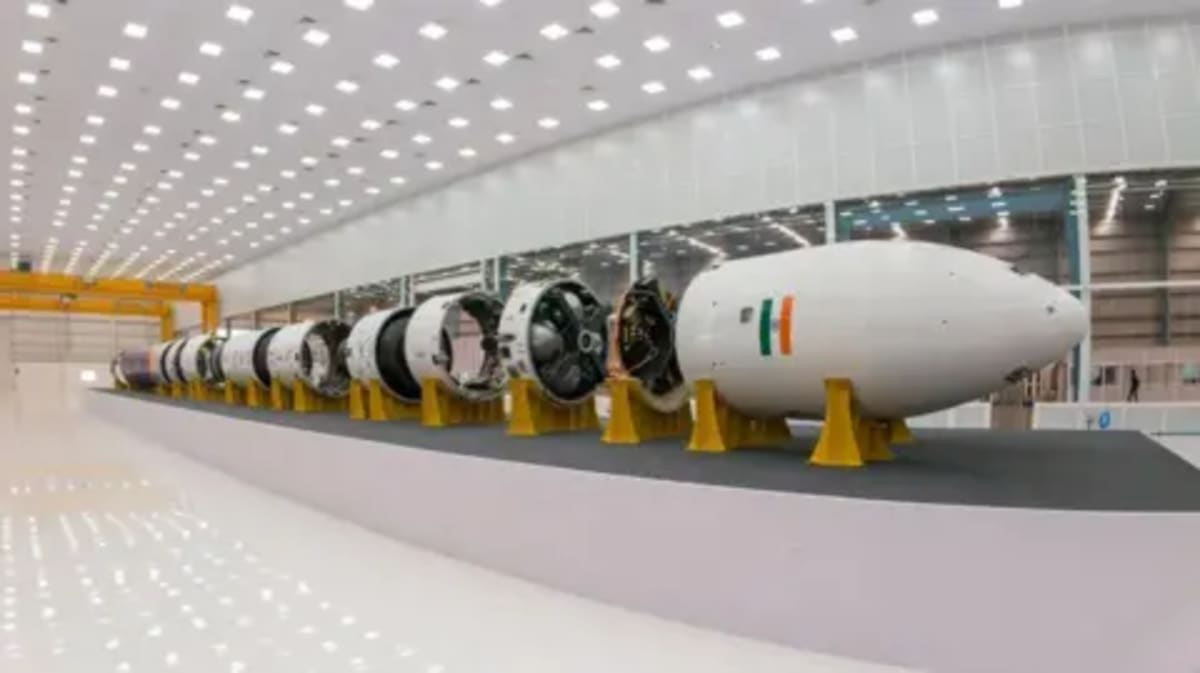
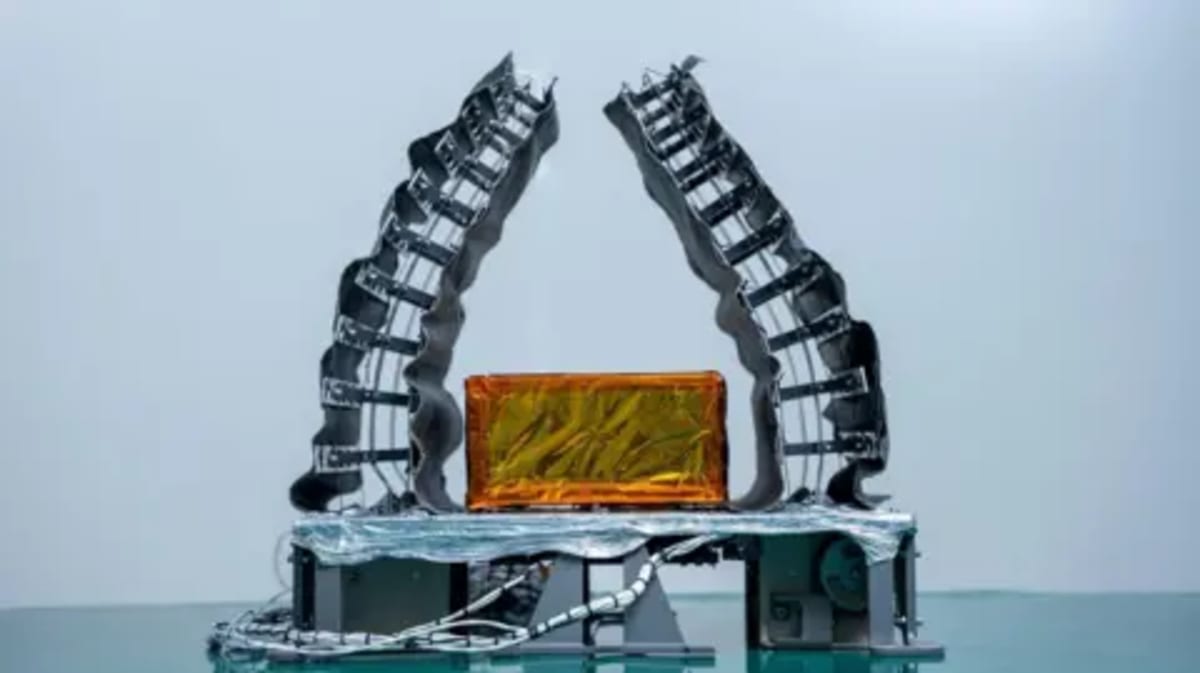
This weekend, his seven-story Vikram-1 rocket lifts off from Sriharikota in southern India, carrying six payloads including a robotic arm for cleaning up space debris and satellites from multiple countries. The 16-minute flight aims to reach Low Earth Orbit, 280 miles above our planet.
The mission represents more than just a business milestone. Skyroot recently became India's first space tech unicorn, valued at $1.1 billion, proving that the private space industry can thrive beyond American and Chinese borders.
Chandana's concept solves a real problem. Right now, small satellite operators must share space on large rockets that fly on fixed schedules, like passengers waiting for a train. Skyroot offers dedicated missions tailored to each customer's needs and timeline, delivering satellites to precise orbital locations.
The rocket carries two symbolic treasures that have captivated India. One is a lotus flower made entirely of lab-grown diamonds. The other is a tiny gold rocket holding microscopic sculptures of three legendary Indian scientists, each smaller than a grain of rice.
"We stand on the shoulders of our early visionaries," Chandana explained. The sculptures honor Nobel Prize-winning physicist CV Raman, former president APJ Abdul Kalam, and Vikram Sarabhai, considered the father of India's space program.
Since India opened its space sector to private companies in 2020, more than 400 startups have launched. The government aims to grow India's share of the global space market from 2% to 10% by 2030.
Skyroot's factory in Hyderabad can build one rocket every month. After two test flights this year, the company plans to begin commercial operations in 2025, serving a global market hungry for launch capacity.
The Ripple Effect
Skyroot's success creates opportunities far beyond one company's bottom line. Reliable satellite launches support services millions depend on daily, from helping farmers monitor crops to enabling disaster response teams to coordinate rescues. Fisheries use satellites to find sustainable catches, while communication networks connect remote communities to the world.
The global space economy represents enormous potential, and Chandana expects 70 to 80% of his customers to come from international markets. India's own ambitious space program, including plans for a space station by 2035 and a Venus mission by 2028, could also benefit from reliable private launch services.
Saturday's launch follows years of preparation, and Chandana knows success isn't guaranteed on the first try. Even SpaceX needed four attempts before succeeding. But win or lose, India's private space revolution has already begun.
A former government engineer's dream of making space accessible to everyone takes its biggest leap yet this weekend.
More Images

Based on reporting by BBC Science
This story was written by BrightWire based on verified news reports.
Spread the positivity!
Share this good news with someone who needs it