India's Gen Z Wins Minister Resignation With Memes
Young protesters in India forced an education minister to resign using humor, Instagram reels, and viral satire. The "Cockroach Janta Party" movement shows how Gen Z is reshaping political activism with creativity and fearlessness. #
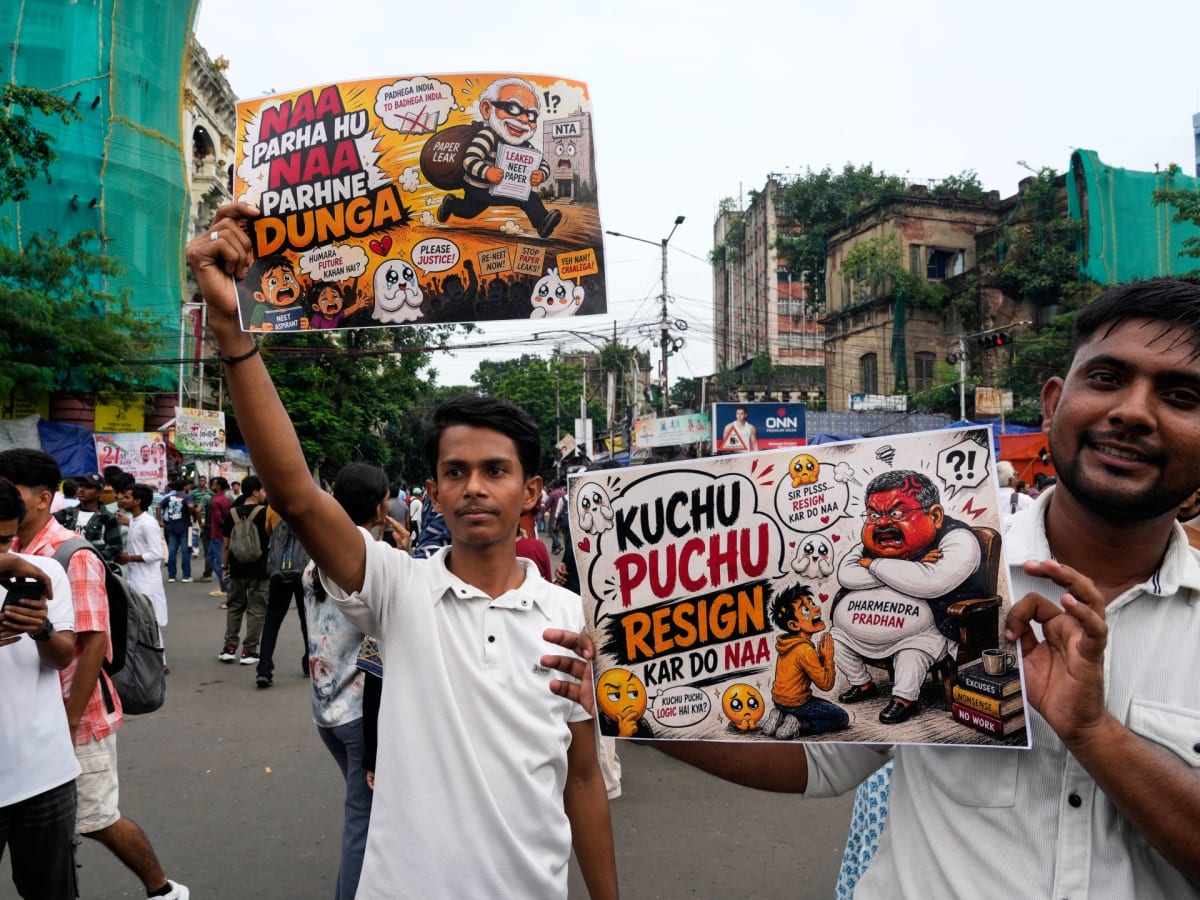
When thousands of young Indians took to the streets in New Delhi, they didn't just carry protest signs. They brought memes, sarcastic jingles, and enough humor to change their government.
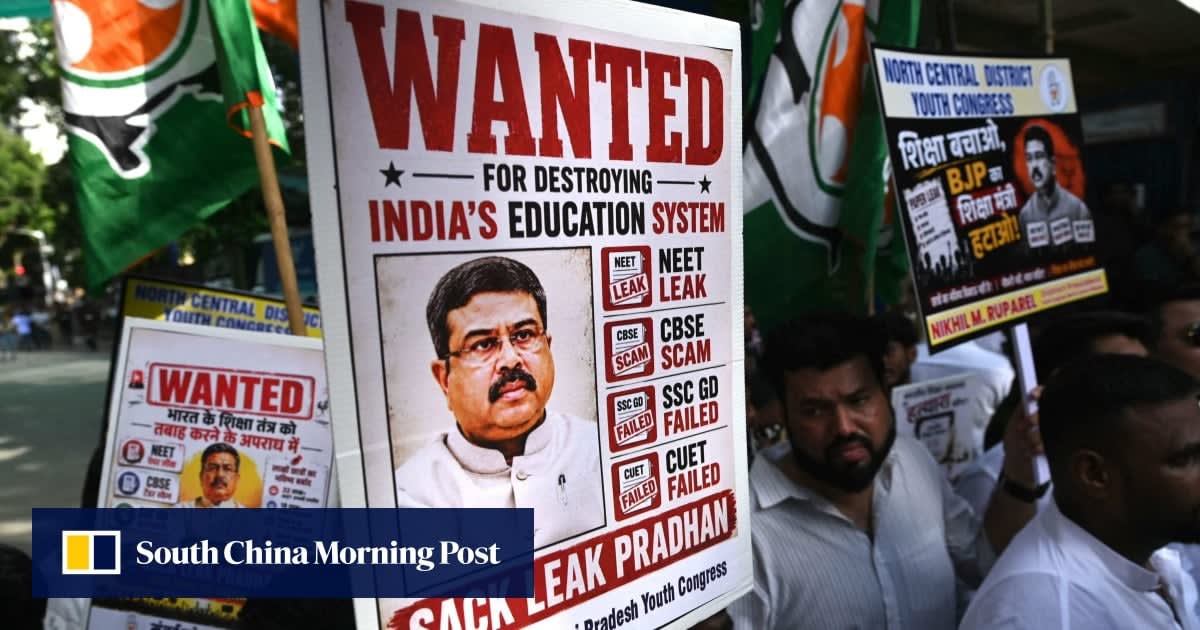
India's Gen Z protesters just scored a major victory. After weeks of creative demonstrations, Education Minister Dharmendra Pradhan resigned on Saturday, meeting a core demand of the youth-led Cockroach Janta Party movement.
The movement started after India's chief justice called unemployed young people "cockroaches" in an offhand remark. Instead of getting angry, protesters turned the insult into a rallying cry, naming their movement after it while mocking Prime Minister Narendra Modi's ruling party.
What made this protest different was the method. Young activists flooded Instagram with viral dance videos, created satirical posters, and used humor as their primary weapon. Some danced in front of police to Lana Del Rey's "Playing Dangerous," while others held signs reading "Cuff me, daddy" and climbed police barricades.
"In our generation, humor has become the defense mechanism from pain, frustration and helplessness," said Karan Azad, a 24-year-old law student at the New Delhi protest. "This entire protest is driven by humor, driven by Instagram and social media."
The spark came from a university entrance exam scandal that broke in May. For India's Gen Z, it represented everything wrong with an education system that determines their futures.
Content creator Arun Singh, known as TheJhumroo, explained why memes worked so well. "This younger generation was born with memes being their language. This is how they communicate."
Mumbai comedian Aditi Mittal noticed something else about these young protesters: pure fearlessness. "All of them have 500 followers at a minimum. If something goes up on their stories, it's not going to go vastly ignored."
That hyper-visibility created a different kind of accountability. When police clashed with protesters earlier in the week, firing tear gas and wielding batons, the violence went instantly viral. The government couldn't ignore what millions were watching in real time.
Ridhima, a 17-year-old student, captured the movement's spirit perfectly. "If not us then who? Those who are not here, it just speaks to their cowardice, and I am talking about people sitting on their chairs in positions of power."
The Ripple Effect
This victory goes beyond one minister's resignation. India's Gen Z just proved that political change doesn't require traditional organizing or formal structures. Armed with smartphones and creativity, they built a movement that resonated across religious and class divides.
Education became the perfect unifying issue. Unlike protests over religious discrimination that divided along sectarian lines, everyone understands wanting a fair shot at school and jobs. It's a demand that crosses every boundary.
The protesters also rejected the politics of perfection that hampered earlier movements. They didn't wait for permission or worry about looking respectful to authorities. They showed up as themselves, messy and real and unafraid.
Tushar, another 24-year-old protester, summed up his generation's approach: he wasn't afraid of backlash from authorities, but rather "would have had FOMO" if he missed the protest.
As demonstrators dispersed Saturday evening, some told security officials "see you at the next protest." It wasn't a threat but a promise that this generation has found its voice and won't be silenced.
#
Based on reporting by DW News
This story was written by BrightWire based on verified news reports.
Spread the positivity!
Share this good news with someone who needs it