India's Incense Town Creates 150 Jobs Through Automation
A small Indian town famous for fragrance has turned traditional incense stick making into a thriving industry that now employs 150 workers. One entrepreneur's journey shows how blending old craft with new machines can create opportunity without losing tradition.
In Kannauj, India, the sweet scent of incense sticks isn't just spiritual—it's now the foundation of a growing industry that's changing lives daily.
The town in Uttar Pradesh has become India's incense capital, where families, temples, and shops across the country rely on a steady supply of agarbatti and dhoopbatti. Unlike seasonal products, these fragrant sticks are used every single day, creating consistent work for an expanding workforce.
Tariq Ali started small two decades ago with just 25 workers and basic tools. Today, his operation connects 150 people to steady employment through smart use of machines that support, rather than replace, human workers.
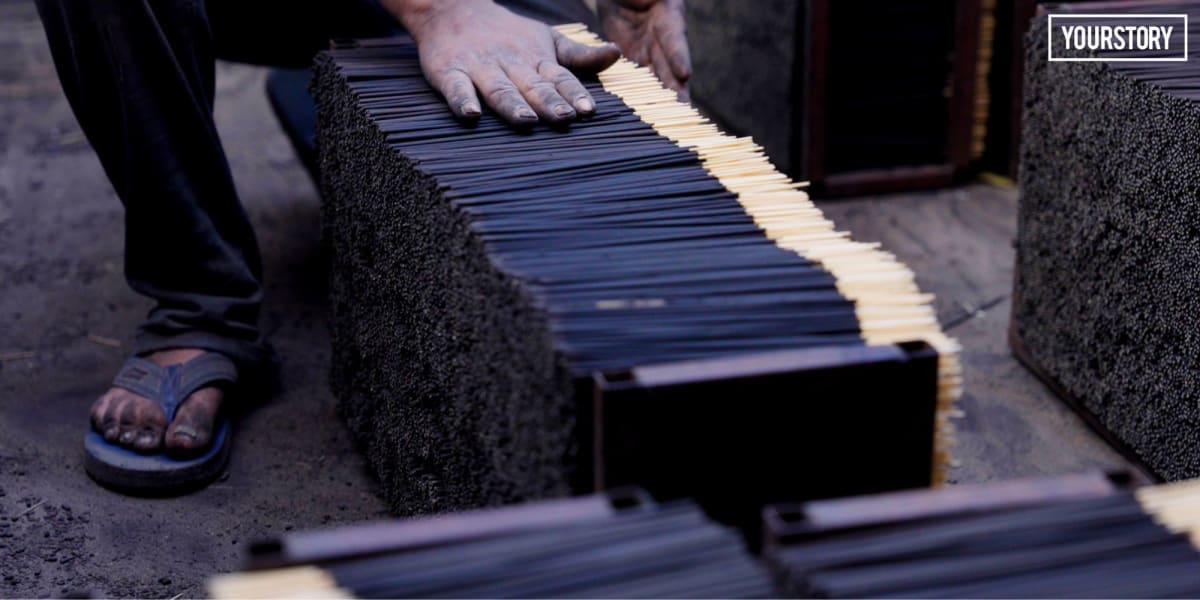
The process remains beautifully simple. Workers blend charcoal powder, wood dust, and natural binding materials into a base mixture. Others roll this blend onto bamboo sticks, while dedicated teams handle drying and packaging. Each person masters their stage, creating quality through focused attention.
What changed wasn't the craft but the scale. Machines now help with the heavy lifting and repetitive tasks, allowing workers to produce more without sacrificing the handmade quality that customers expect. The transition opened doors for more people to join the trade at different skill levels.
India's One District One Product program recognized Kannauj's incense industry as a model worth supporting. The designation helps connect local producers to national and international markets, turning regional craft into global commerce.
The Ripple Effect
The impact reaches beyond factory walls. As production grew from manual workshops to machine-supported operations, entire families found stable income in a region where such opportunities were scarce. The work creates economic security while preserving cultural heritage.
Most incense still moves as unbranded bulk supply, feeding distribution networks nationwide. Now, after years of consistent quality and growing capacity, producers like Ali are exploring their own brand presence—a next chapter that could multiply their impact.
The formula works because it respects both tradition and progress. Natural materials move efficiently through each production stage, meeting everyday demand while creating everyday jobs. When ancient craft meets modern efficiency, everybody wins.
More Images

Based on reporting by YourStory India
This story was written by BrightWire based on verified news reports.
Spread the positivity!
Share this good news with someone who needs it