India's 'Kashmir of the South' to Grow Saffron
A farming revolution is coming to India's southern mountains. Andhra Pradesh is opening the doors for large-scale saffron cultivation outside Kashmir for the first time.
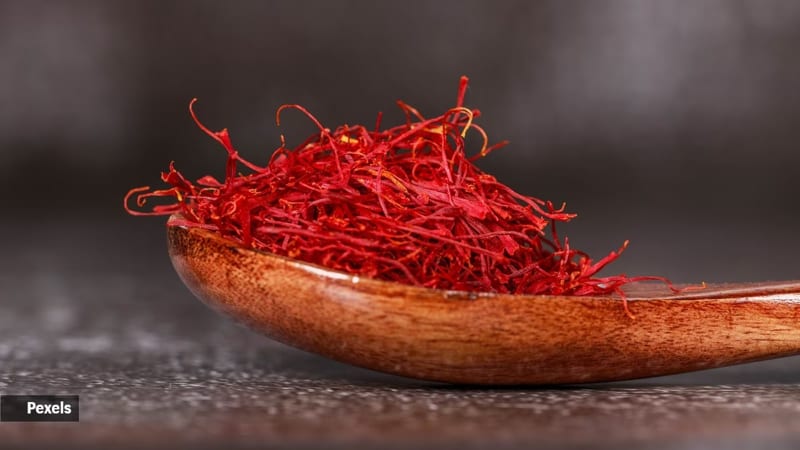
The world's most expensive spice is about to break free from its single Indian home.
Andhra Pradesh Chief Minister N. Chandrababu Naidu announced plans to bring saffron farming to Lambasingi, a mountain village in the state's Eastern Ghats. For decades, Kashmir held the monopoly on India's saffron production, but that's about to change.
Lambasingi sits 1,000 meters high in the Alluri Sitharama Raju district, earning its nickname as the "Kashmir of the South" thanks to chilly weather perfect for the delicate crop. The state government is inviting private companies and agriculture firms to partner on this ambitious project through a public-private model.
The initiative comes with full government backing. Naidu promised incentives, land allocation, and resources to anyone willing to invest in saffron cultivation in the region.
What makes this especially meaningful is community support. The government consulted with local tribal communities before moving forward, securing their consent and planning to involve them directly in cultivation efforts.
Several companies have already approached the state government seeking land leases and permissions. The response signals real market confidence in bringing this high-value crop to new territory.
The Ripple Effect
This agricultural shift could transform the economics of an entire region. Saffron sells for thousands of dollars per kilogram, offering tribal farmers a chance at prosperity through one of the world's most valuable crops.
The initiative fits into a larger vision Naidu outlined for transforming Andhra Pradesh into India's largest natural farming hub. He's pushing farmers to reduce chemical fertilizers to meet international export standards, especially for European markets that demand certified organic products.
The state is also planning a 500-acre "Cocoa City" in Eluru district and promoting intercropping techniques for mango, cashew, and coconut plantations. Training programs on zero-budget natural farming will roll out statewide in partnership with renowned agriculturist Subhash Palekar.
Opening saffron cultivation to southern India diversifies production beyond a single region and creates economic opportunities in tribal areas often left behind by development. It shows how traditional crops can find new homes when climate and community support align.
A spice once grown in just one corner of India is about to color a whole new landscape golden.
Based on reporting by Indian Express
This story was written by BrightWire based on verified news reports.
Spread the positivity!
Share this good news with someone who needs it