India's Kite Makers Keep Ancient Craft Alive Despite Struggles
In Delhi's Lal Kuan district, skilled artisans hand-make thousands of colorful kites daily, preserving a generations-old craft despite earning just $2-6 per day. These dedicated craftspeople travel across India seasonally, keeping the country's beloved kite-flying tradition soaring.
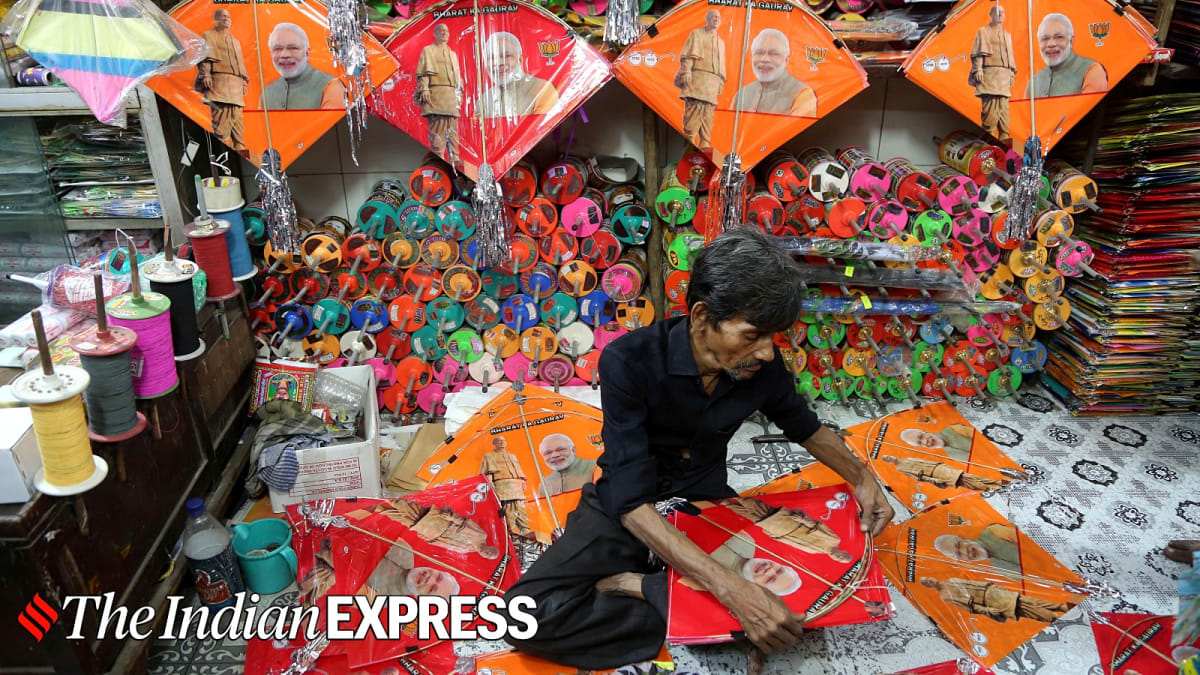
In a cramped workshop in Delhi's Lal Kuan district, Ankit's hands move like clockwork, finishing kite after kite while 90s Bollywood music fills the air. This is where India's colorful Independence Day sky begins, one handmade kite at a time.
Lal Kuan transforms into India's kite-making capital each August. Artisans from across the country rent tiny workshops for $120 monthly, crafting the traditional paper kites that have defined Indian celebrations for generations.
Bismil, a 40-year-old craftsman from Rampur, learned the skill at age eight from his mentor Ustaad Khan. Today, he hand-makes 15 to 20 kites daily, each taking significant time and skill to complete perfectly.
The economics are tough but these makers persist. Craftsmen like Mintoo Lal produce 1,000 kites daily yet earn only $2 to $6 in wages. A kite costing $0.20 to make sells for $0.50 locally but fetches $0.60 in places like Gujarat.
The work demands patience and dedication. Bismil starts at 10:30 AM, works until noon, returns at 3:30 PM, then continues late into the night. His routine reflects the labor-intensive nature of preserving this craft.
Modern touches keep the tradition fresh. Today's kites feature pop culture references, from singer Karan Aujla to cartoon character Chhota Bheem. Tiny tricolor kites share space with designs nearly as tall as a person.
The Ripple Effect
These wandering artisans, called "banjara" by locals, follow India's kite-flying seasons from city to city. After Independence Day in Delhi, they travel to Punjab, Ahmedabad, and Jammu, spreading joy wherever festivals call for colorful skies.
Their dedication keeps communities connected to cultural roots. Children still stop at market stalls, sorting through piles of kites with wonder. Families still gather to fly them, creating memories that span generations.
Despite financial pressures causing some makers to switch to driving auto-rickshaws, many continue. "We learned this skill, so we do the work," Bismil explains simply. "We have the talent."
The kite makers rarely receive recognition for their craftsmanship. Yet their skilled hands ensure that every August, India's skies bloom with color, connecting millions to a joyful tradition that refuses to fade.
These artisans aren't just making kites; they're keeping India's cultural heritage airborne, one careful fold at a time.
Based on reporting by Indian Express
This story was written by BrightWire based on verified news reports.
Spread the positivity!
Share this good news with someone who needs it