India's Land Pooling Model Solves Infrastructure Gridlock
Indian states are finally cracking the code on urban development without forcing people off their land. A century-old solution from Gujarat is spreading nationwide, turning infrastructure headaches into win-win deals.
Imagine getting better land than you started with while your city builds the roads and parks it desperately needs. That's exactly what's happening as Indian states embrace land pooling, a smart alternative to the painful process of forcing people to sell their property.
Rajasthan just launched its first land pooling scheme, joining Gujarat and Maharashtra in a movement that's reshaping how India builds cities. The traditional approach of government land acquisition has become a nightmare of delays, court battles, and massive costs since stricter compensation laws passed in 2013.
Land pooling flips the script entirely. Landowners voluntarily contribute 25 to 40 percent of their property for roads, parks, and public spaces. In return, they get back smaller but far more valuable plots with proper infrastructure and services. Nobody gets displaced, everyone shares the benefits, and cities actually get built.
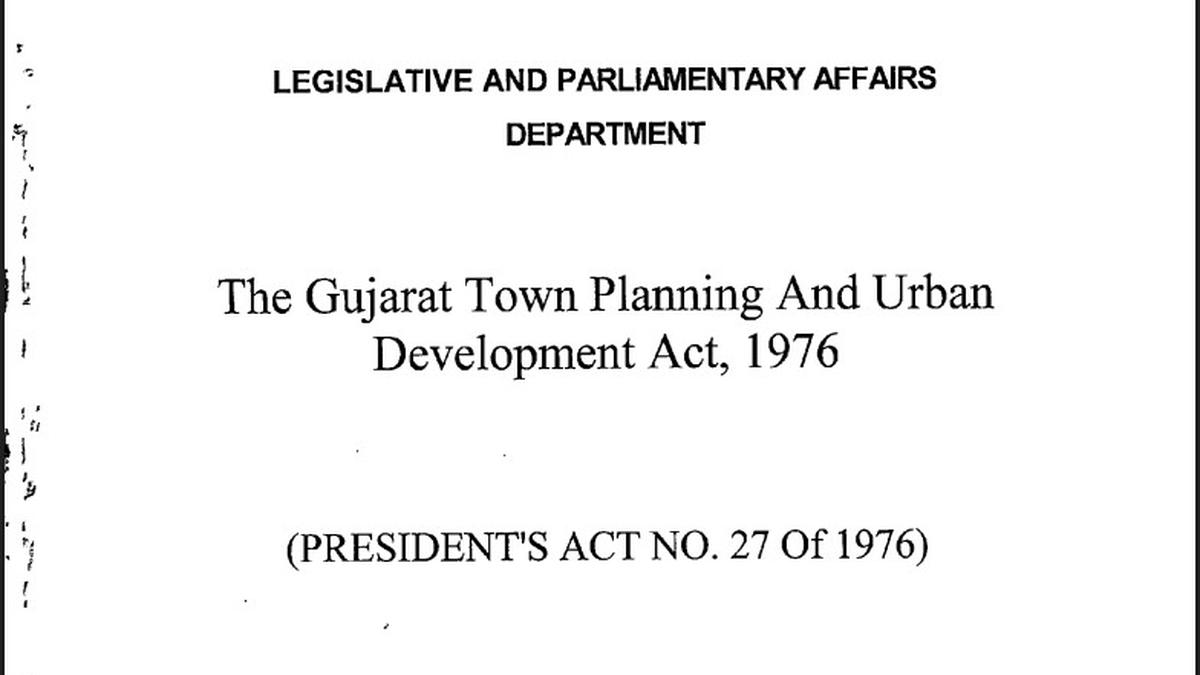
Gujarat pioneered this approach nearly a century ago and has transformed over 1,000 square kilometers across Ahmedabad, Surat, and other cities using this model. The secret sauce is its people-first design that recovers costs gradually rather than demanding huge upfront payments from landowners.
Other states are now racing to adapt the model to their unique challenges. Guwahati faced outdated manual land records and confusion about who does what. Their solution was brilliantly practical: they kept existing maps as is and reduced landowner contributions to just 12 to 15 percent instead of the usual 35 to 45 percent. The scheme moved forward.
Rajasthan is tweaking financial calculations so costs stay manageable, with the government absorbing some expenses to make deals fairer. Pune and Mumbai's metropolitan region recently revived the approach after years of neglect to unlock development in their sprawling outskirts.
Tamil Nadu, Madhya Pradesh, and Delhi are next in line, studying how to make land pooling work in their contexts. The challenge isn't just legal frameworks but convincing landowners that pooling beats selling, and that patience pays off in better outcomes for everyone.
The Ripple Effect
The beauty of land pooling extends far beyond avoiding court fights over acquisition. When landowners become partners in development rather than obstacles, entire communities buy into city planning. Parks get maintained because locals feel ownership. Roads align with actual needs because residents help design them.
The model also preserves environmentally sensitive areas that might otherwise get bulldozed in traditional development rushes. Cities grow faster because cooperation replaces conflict, and the benefits flow to original landowners rather than just speculators and developers who swoop in later.
As more states customize land pooling to local conditions, India is discovering that infrastructure doesn't require choosing between progress and people. The government of India has been actively promoting these schemes since 2019, recognizing that this century-old idea might be the key to unlocking India's urban future without leaving communities behind.
Based on reporting by The Hindu
This story was written by BrightWire based on verified news reports.
Spread the positivity!
Share this good news with someone who needs it