India's Monsoon Powers Mushroom Farms That Need No Soil
As monsoon rains arrive, India's small farmers are discovering a profitable crop that grows without fields—mushrooms that thrive on agricultural waste and humid air. This rainy season tradition is turning into a year-round opportunity for entrepreneurs and home growers alike.
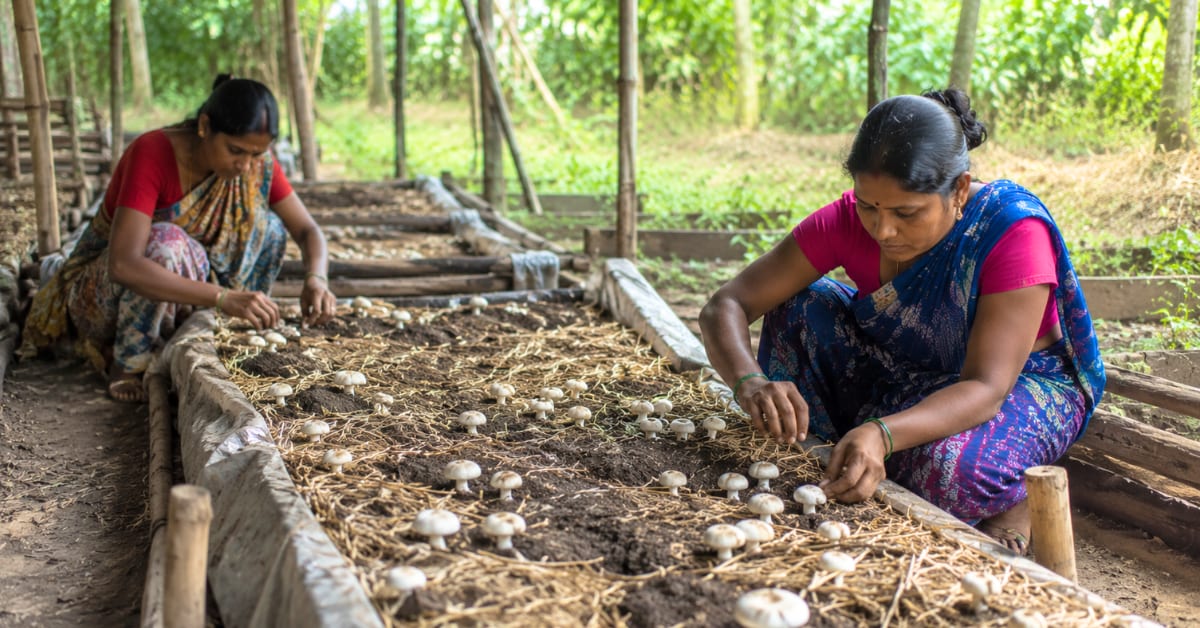
When the first monsoon rains sweep across India, something remarkable happens in small sheds and spare rooms across the countryside. Mushrooms begin sprouting from bundles of straw, transforming agricultural waste into nutritious food within weeks.
Unlike traditional crops that require acres of farmland, mushrooms grow in controlled spaces no bigger than a bedroom. They feed on organic matter like paddy straw, wheat stalks, and sawdust instead of drawing nutrients from soil. For small farmers and women entrepreneurs, this means big opportunities without needing big land.
The monsoon creates perfect natural conditions for varieties like oyster, paddy straw, and milky mushrooms. Humidity levels between 80 and 90 percent help the mycelium, the threadlike network that produces mushrooms, spread rapidly through the growing medium. Moderate temperatures and moist air encourage healthy fruiting, eliminating the need for expensive climate control systems that would otherwise cost thousands of rupees.
But the same damp conditions that benefit mushrooms can invite unwanted guests. Molds, bacteria, and other contaminants love humid weather too, making cleanliness essential. Successful growers wash their hands frequently, sanitize tools regularly, and inspect their grow bags for any signs of contamination.
Starting at home requires just a few key elements. Quality spawn from trusted suppliers gives the best foundation. Pasteurized straw removes harmful microbes before they can compete with mushroom growth. Light misting maintains moisture without waterlogging, while proper ventilation prevents mold and allows fresh air to circulate.
The rewards come quickly. Unlike seasonal crops that take months to mature, mushrooms can produce their first harvest within three to four weeks. A single growing cycle often yields multiple harvests, and growers can pick mushrooms when the caps are fully developed for the best texture and flavor.
The Ripple Effect
Beyond providing fresh food and income, mushroom cultivation is solving another problem quietly. Agricultural waste like paddy straw often gets burned in fields, contributing to air pollution and wasting valuable organic matter. Mushroom farming gives this waste a productive purpose, turning leftovers into livelihoods while reducing environmental harm.
Women entrepreneurs in rural areas have particularly embraced mushroom cultivation because it fits around household responsibilities and requires minimal startup costs. The crop generates returns within weeks rather than seasons, providing faster cash flow for families. Small farmers are discovering they can earn substantial income from spaces they already own, without investing in additional land.
As demand for nutritious, locally grown food increases across India, mushroom cultivation is becoming more than a monsoon tradition. With proper training and quality supplies now more accessible, growers are extending production beyond the rainy season using simple humidity controls. Every spell of monsoon rain still brings the easiest growing conditions, but the opportunity is spreading throughout the year.
More Images
%2Fenglish-betterindia%2Fmedia%2Fmedia_files%2F2026%2F07%2F07%2Fmushroom-farming-2026-07-07-10-21-37.png)
%2Ffilters%3Aformat(webp)%2Fenglish-betterindia%2Fmedia%2Fmedia_files%2F2026%2F07%2F07%2Fmushroom-farming-2026-07-07-10-23-07.png)
%2Ffilters%3Aformat(webp)%2Fenglish-betterindia%2Fmedia%2Fmedia_files%2F2026%2F07%2F07%2Fmushroom-farming-2026-07-07-10-25-20.png)
Based on reporting by The Better India
This story was written by BrightWire based on verified news reports.
Spread the positivity!
Share this good news with someone who needs it