India's New Scheme Saves Accident Victims in 60 Minutes
India just launched a program that removes every barrier to emergency care after road accidents. If help arrives within the golden hour, survival chances jump 50%.
When someone crashes on an Indian highway, the clock starts ticking on a 60-minute window that could save their life.
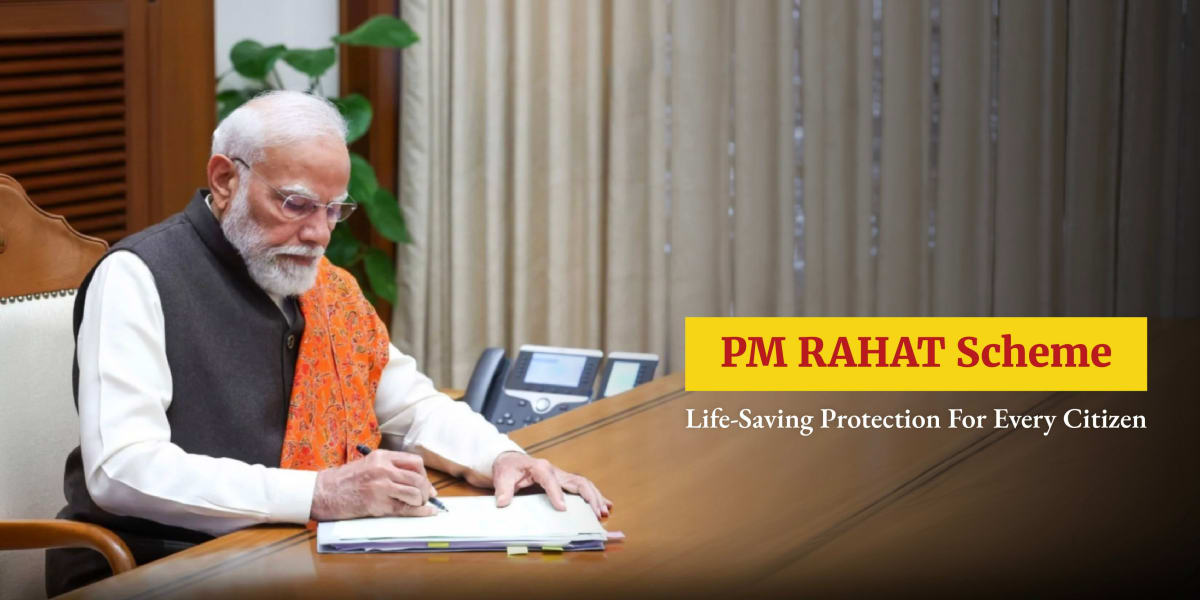
India's new PM RAHAT scheme, launched in February 2026, turns that critical golden hour into a coordinated rescue mission. Any road accident victim now gets immediate, cashless treatment up to 150,000 rupees for seven days at designated hospitals across the country.
The program solves a problem that has cost countless lives: the terrifying gap between accident and care. Before PM RAHAT, families scrambled for money while patients waited. Hospitals demanded paperwork while injuries worsened. Bystanders hesitated to help, worried about legal trouble or financial responsibility.
Now, ordinary citizens become heroes with a simple phone call. The scheme creates "RahVeers," or Good Samaritans, who dial 112 to report accidents and get guided support to connect victims with nearby hospitals. Ambulances coordinate automatically. No questions asked, no payment required upfront.
The medical response adapts to urgency. Non-life-threatening cases get 24 hours of stabilization at any hospital. Critical patients receive up to 48 hours of extended care at designated facilities. Every victim gets treated first and processed later.
Behind this system runs a streamlined digital network. Police verify accident details online within 24 to 48 hours depending on severity. Hospitals submit claims after discharge, and payments flow directly from insurance companies or district collectors for uninsured or hit-and-run cases.
The program taps into Ayushman Bharat, India's massive public insurance network, creating an instant infrastructure of participating hospitals. Treatment begins the moment a patient arrives, guided by medical need rather than administrative procedure.
The Ripple Effect
PM RAHAT does more than save individual lives. It transforms how an entire nation responds to tragedy. Bystanders who once walked past accidents now stop to help, knowing the system backs them up. Hospitals that once turned away patients now open their doors immediately. Insurance processes that dragged for weeks now close in days.
The scheme acknowledges a simple truth: in most accidents, trained professionals aren't first on scene. Regular people are. By empowering citizens and removing every barrier to action, India turns its vast population into the world's largest emergency response team.
Every minute of that golden hour now counts, backed by policy, funding, and the courage of ordinary Indians willing to help a stranger.
More Images



Based on reporting by YourStory India
This story was written by BrightWire based on verified news reports.
Spread the positivity!
Share this good news with someone who needs it