India's Perfume Capital Keeps Ancient Attar Craft Alive
In Kannauj, India, centuries-old flower distillation techniques are thriving thanks to government support and determined entrepreneurs. Women like Sapna Gupta are turning traditional copper vessels and fresh roses into fragrant attars that reach cities across the country.
In a small district in northern India, perfume isn't a luxury. It's part of daily life, woven into prayers, celebrations, and even cooking.
Kannauj in Uttar Pradesh has earned the title of India's perfume capital through centuries of traditional flower distillation. Here, rose petals and jasmine blossoms become precious attar and rose water using methods passed down through generations.
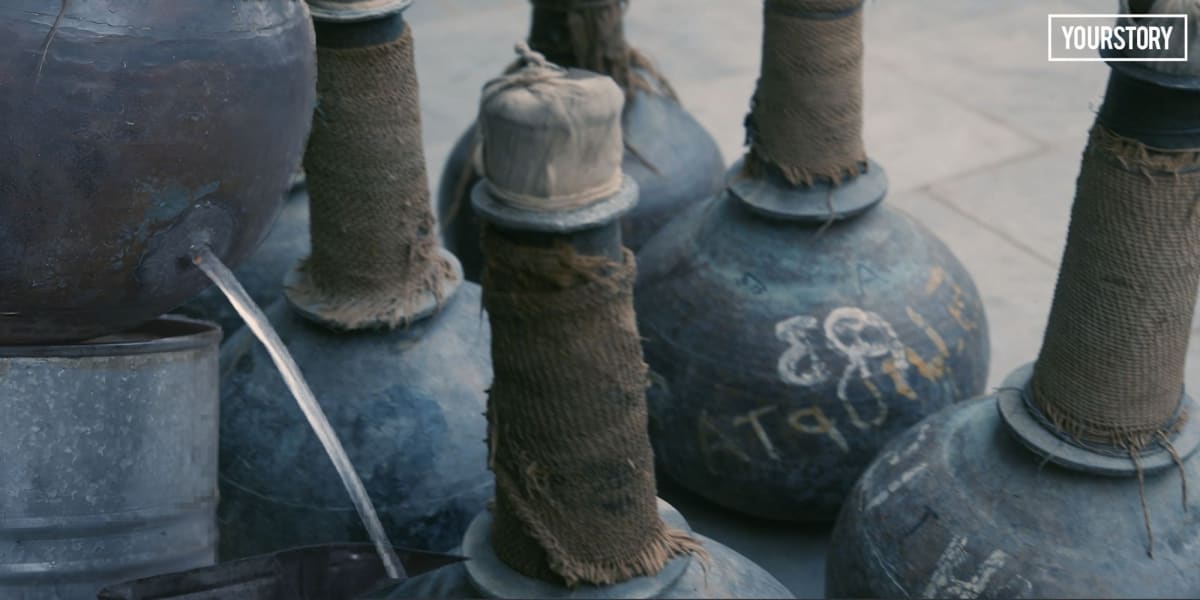
The magic happens in copper vessels called degs. Fresh flowers, about 15 to 20 kilograms per batch, are sealed inside with water and heated over wood fires or cow dung cakes. As the mixture boils, fragrant vapor travels through connected pipes into a receiver called a bhapka, where it condenses into liquid gold.
Sapna Gupta joined this ancient trade in 2018 after receiving 500,000 rupees (about $6,000) from India's One District One Product program. The government initiative helps local artisans scale traditional crafts by providing startup funds and market connections. What started as learning the ropes has grown into a thriving family business.
Her enterprise now produces rose attar, rose water, and seasonal jasmine attar from their Kannauj facility. A second location in Odisha creates kewda attar, prized in tobacco processing and traditional products. The government support helped them build a website and reach customers in Delhi, Mumbai, Lucknow, and beyond.
The Ripple Effect
Kannauj's distillation tradition supports dozens of small businesses while preserving cultural heritage. The attars serve multiple purposes, from religious ceremonies to personal fragrance to food flavoring. This diverse demand keeps distillers working year round as different flowers come into season.
The program recognizes that traditional crafts can compete in modern markets when given proper support. By investing in local artisans, it creates jobs while keeping ancient knowledge alive for future generations.
For Sapna Gupta and her fellow distillers, every drop of attar represents both livelihood and legacy. The fragrant vapor rising from those copper vessels carries centuries of tradition into homes across India, one batch at a time.
More Images

Based on reporting by YourStory India
This story was written by BrightWire based on verified news reports.
Spread the positivity!
Share this good news with someone who needs it
%2Fhttps%3A%2F%2Ftf-cmsv2-smithsonianmag-media.s3.amazonaws.com%2Ffiler_public%2F75%2F34%2F75342ac4-0f4b-4563-a63d-3012f0feae31%2Fgettyimages-2293659629.jpg)