India's Silk Sari Artisans Find New Markets, Preserve Craft
In a small Indian town, hundreds of artisans are keeping a 300-year-old silk weaving tradition alive through teamwork and fresh market connections. Each gorgeous sari passes through eight pairs of skilled hands before reaching customers worldwide.
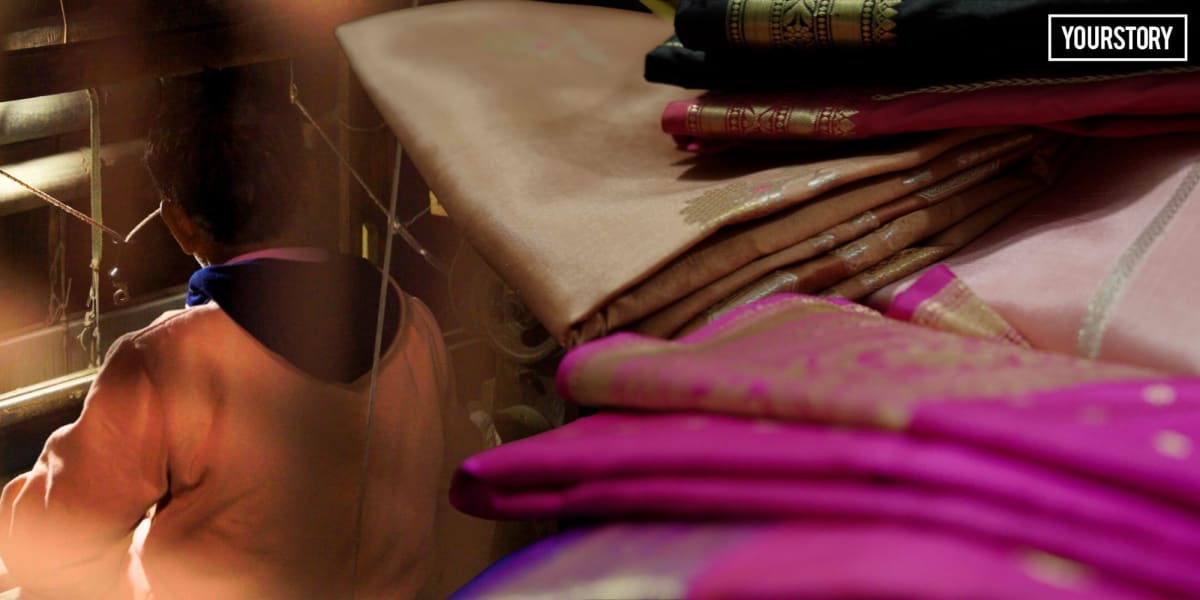
In Mubarakpur, a quiet town in northern India, every silk sari tells a story of collaboration. From the moment raw silk arrives until the final fabric gleams on the loom, eight different artisans contribute their specialized skills to create a single garment.
Mehtab Ahmad learned the craft watching his father work the looms as a child. Today, he's part of an intricate network where one person sources the silk, another prepares it, a specialist handles dyeing, designers create patterns, and weavers bring it all together.
The precision required is remarkable. Each sari uses exactly 320 grams of weft yarn, carefully measured and rewound. The silk gets cleaned, dyed to exact shades, and dried before designers even begin planning the intricate patterns that make these saris special.
What makes these textiles particularly stunning are the designs: delicate resham booti florals, antique patterns, intricate jaal work, and fancy motifs that rival more expensive varieties. The artisans have mastered both traditional Banarasi styles and modern Chanderi-inspired designs, offering beautiful options at prices more families can afford.
The challenge has always been reaching customers directly. For years, middlemen took most of the profit while artisans earned just a few hundred rupees per sari despite weeks of meticulous work.
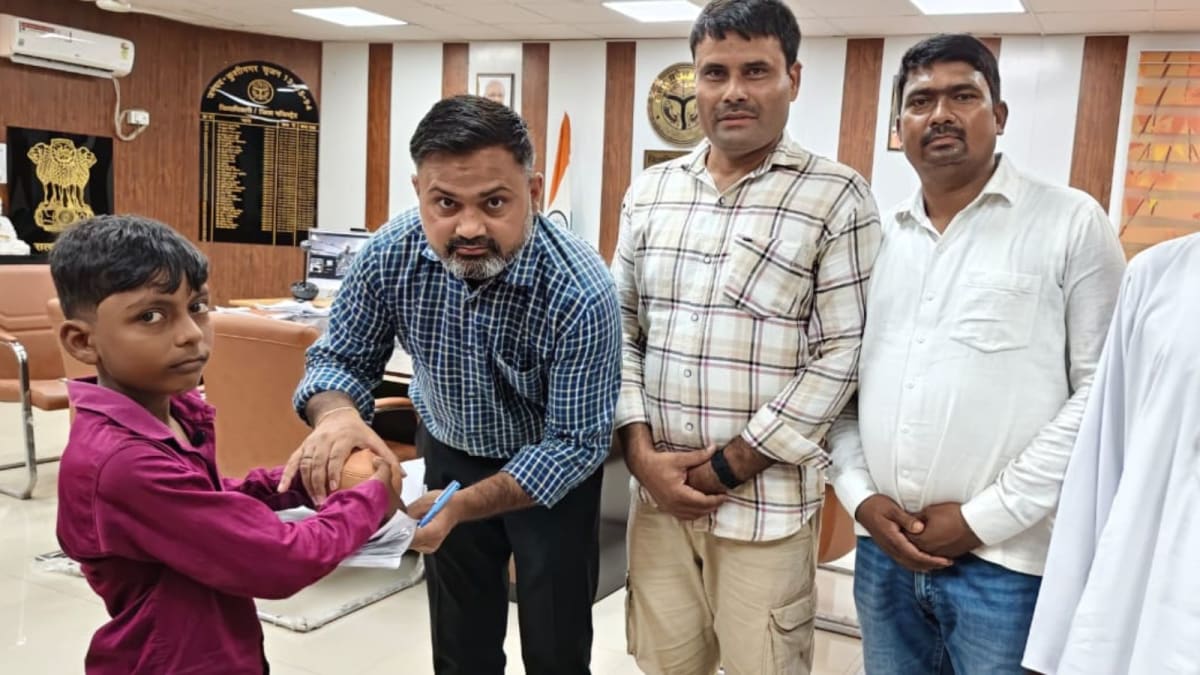
That's changing thanks to government-supported One District One Product exhibitions in major cities. When Mehtab and fellow weavers showcased their work in Noida, Lucknow, and Delhi, something wonderful happened. Customers who touched the silk and heard the stories behind each piece started placing repeat orders.
The Ripple Effect
These direct connections are transforming entire families. When one weaver gets a steady customer, the silk supplier, dyer, designer, and border specialist all benefit too. The money flows through the whole community, supporting traditional skills that might otherwise disappear.
Young people who once left for factory jobs are reconsidering. Seeing their craft valued in metropolitan markets gives them hope that this centuries-old tradition can provide a stable future.
The exhibitions also educated buyers about the true value of handwoven silk. Many assumed all "Banarasi" saris came from Varanasi, never realizing that Mubarakpur's artisans were creating equally stunning work with the same techniques passed down through generations.
Every new order represents more than income. It validates the countless hours spent perfecting tension on the loom, matching dye colors precisely, and ensuring each thread aligns perfectly. One weaving mistake can reduce a sari's value dramatically, so the work demands intense focus and pride.
What started as a few exhibition booths has grown into lasting trade relationships. Metropolitan retailers now source directly from Mubarakpur, cutting out middlemen and ensuring artisans earn fair wages for their extraordinary skill.
This network of hands creating beauty together shows how traditional crafts can thrive when given market access and recognition for the layered expertise behind every thread.
More Images

Based on reporting by YourStory India
This story was written by BrightWire based on verified news reports.
Spread the positivity!
Share this good news with someone who needs it