India's Similipal Park Adds 3 Crocodiles, Reversing Decline
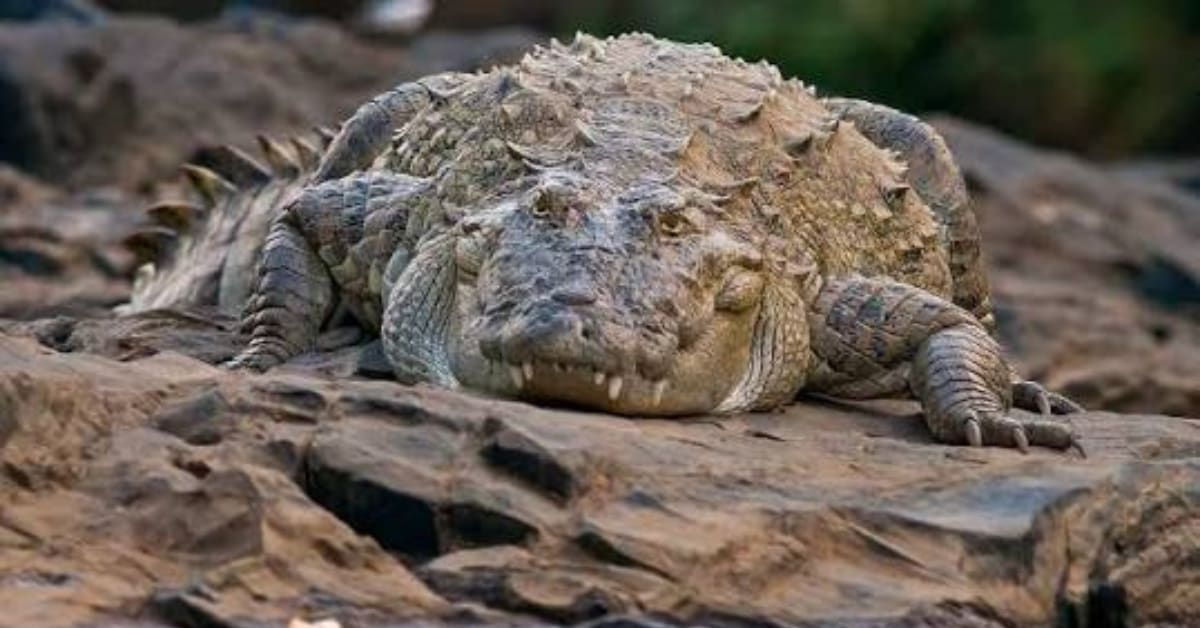
After two years of declining numbers, India's Similipal Tiger Reserve has recorded 84 mugger crocodiles, up from 81 last year. The modest gain signals healthier rivers and shows how patient conservation work pays off.
Three more crocodiles might not sound like much, but in India's Similipal Tiger Reserve, they represent a turning point worth celebrating.
The latest census counted 84 mugger crocodiles in the reserve's rivers and wetlands, breaking a two-year decline that had worried conservationists. Between January 6 and 8, over 100 forest personnel fanned out across 20 locations, scanning waterlines and muddy banks for signs of the vulnerable species.
The West Deo River remains home to most of Similipal's crocodiles, supporting 60 of the 84 counted. The rest live scattered across seven other water bodies throughout the reserve in Odisha state.
Numbers had been slipping since 2023, when the park recorded 86 crocodiles. By last year, that figure had dropped to 81, raising concerns about habitat quality and survival rates.
This year's increase may look small on paper, but it tells a bigger story about what's happening beneath the surface. Mugger crocodiles only thrive where rivers are healthy enough to support fish, aquatic plants, and safe nesting sites.
When crocodile numbers climb, it means the entire ecosystem is working. As apex predators, these reptiles keep fish populations balanced and remove sick or weak prey, creating healthier conditions for countless other species.
The Ripple Effect
The turnaround didn't happen by accident. At the heart of the recovery is the Ramatirtha Mugger Crocodile Breeding Centre, where hatchlings are raised and later released into rivers across the landscape.
Young crocodiles face enormous odds in the wild. By protecting them during their most vulnerable months, the breeding program gives them a fighting chance to reach adulthood and contribute to wild populations.
The annual census does more than count crocodiles. It helps forest managers spot problems early, adjust protection strategies, and measure whether conservation efforts are actually working.
Across South Asia, mugger crocodiles face mounting pressure from shrinking wetlands and habitat loss. Listed as Vulnerable by the International Union for Conservation of Nature, the species needs exactly this kind of sustained, science-based protection.
Similipal's success shows what's possible when conservation gets the time and resources it needs. There were no dramatic interventions or emergency rescues, just years of patient fieldwork, habitat monitoring, and careful breeding releases.
For the forest teams scanning riverbanks each winter, those three additional crocodiles represent something profound: proof that their work matters, that rivers can recover, and that steady effort builds lasting change.
More Images
.png)
%2Fenglish-betterindia%2Fmedia%2Fmedia_files%2F2026%2F06%2F18%2Fcrocodile-2026-06-18-14-57-15.png)
%2Fenglish-betterindia%2Fmedia%2Fmedia_files%2F2025%2F11%2F20%2Fwild-at-heart-banner-image-microsite-banner-2025-11-20-16-17-04.jpg)

Based on reporting by The Better India
This story was written by BrightWire based on verified news reports.
Spread the positivity!
Share this good news with someone who needs it