India's Solar Power Doubles Since 2022, Beats US Growth
India just became the world's third-largest solar generator, with clean energy growing so fast in 2025 that fossil fuel use actually dropped for the first time. Solar power alone met the entire country's electricity demand increase this year.
India's renewable energy just hit a milestone that proves clean power can outpace a growing economy's needs.
The nation generated a record 98 terawatt-hours more renewable electricity in 2025, a 24% jump from the previous year, according to climate research organization Ember. That growth was double India's actual electricity demand increase, meaning renewables didn't just keep up with the country's needs. They surpassed them.
The result? India's fossil fuel power generation dropped by 3.3% in 2025, marking a turning point for one of the world's fastest-growing economies.
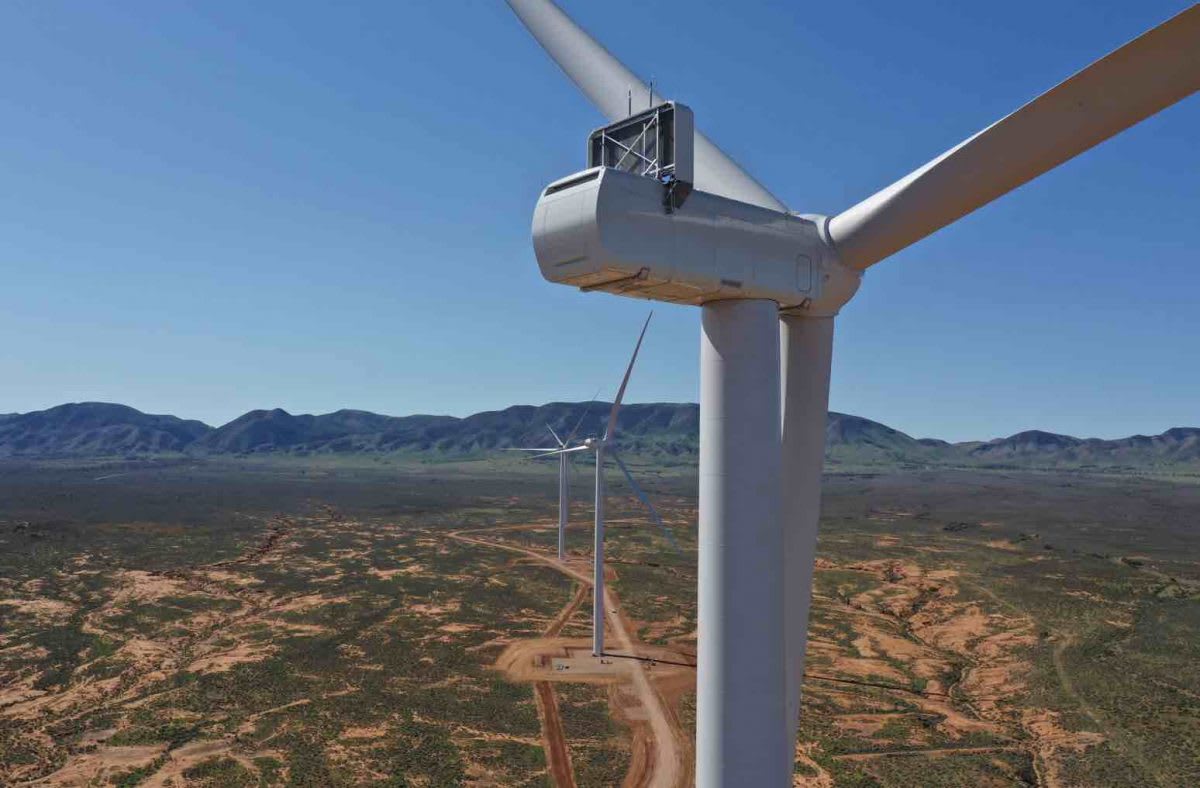
Solar power led the charge with a 37% increase, adding 53 terawatt-hours to the grid. Wind energy wasn't far behind, growing 28% and adding 22 terawatt-hours. Together, these sources now provide 14% of India's total electricity, up from 11% just one year ago.
India installed a record 38 gigawatts of solar capacity in 2025, beating the United States' 35 gigawatts. That pushed the country past a major symbolic threshold: solar overtook hydroelectric dams to become India's largest source of clean electricity.
Since 2022, India's solar output has doubled from 96 to 196 terawatt-hours. The country now generates nearly twice as much solar power as Japan, the world's fourth-largest solar producer.
The Ripple Effect
This clean energy boom is doing more than cutting carbon emissions. It's making India's power grid more resilient and less vulnerable to global fuel price shocks.
"Solar power is the primary driver of change in India's power system," said Aditya Lolla, managing director at Ember. When paired with battery storage, solar enables round-the-clock clean power that strengthens energy security.
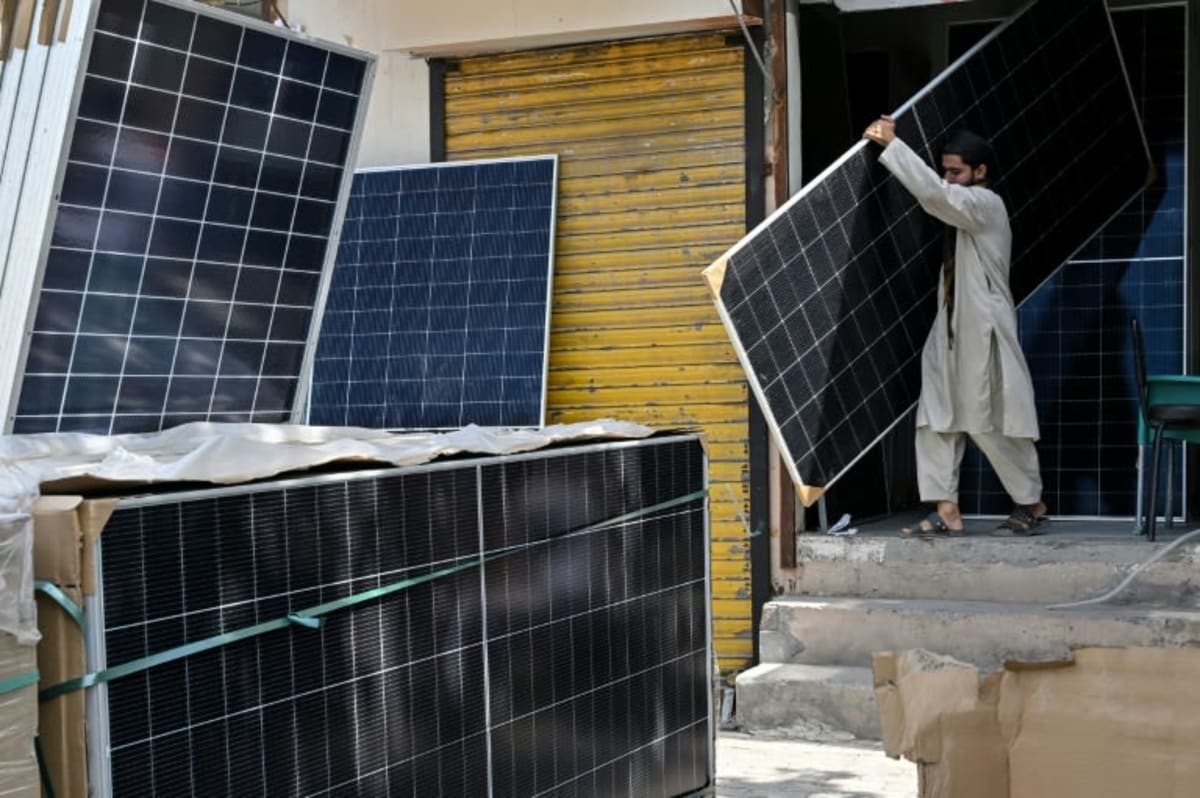
The growth includes rooftop solar installations on homes and businesses, which contributed an estimated 22 terawatt-hours in 2025. That means everyday Indians are becoming power producers, not just consumers.
India's energy transition is accelerating at the exact moment it matters most. Duttatreya Das, an energy analyst at Ember, noted that government auction designs are already evolving to include more energy storage, ensuring the grid can handle higher shares of renewable power.
The country still lags behind the global average of 17% wind and solar generation, but it closed that gap by three percentage points in a single year.
India proved in 2025 that economic growth and clean energy aren't competing goals, they're partners in building a more secure future.
Based on reporting by Google News - Solar Power Record
This story was written by BrightWire based on verified news reports.
Spread the positivity!
Share this good news with someone who needs it