India's Student Movement Inspires School Accountability Campaign
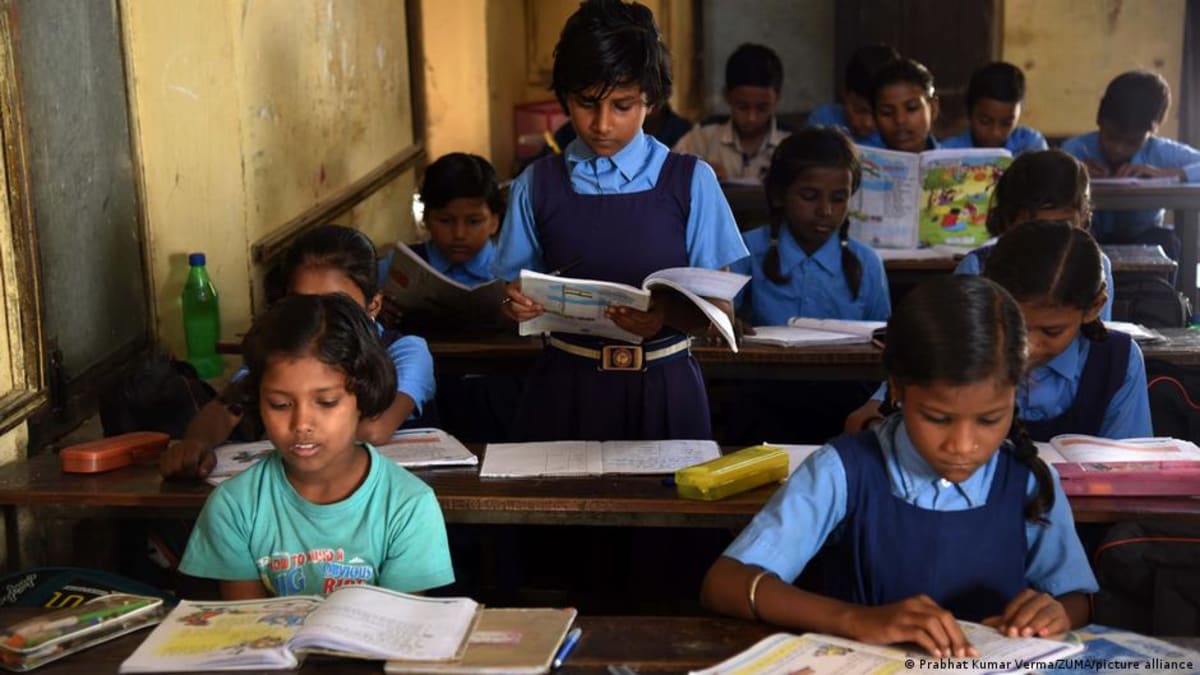
After winning the resignation of India's education minister, the youth-led Cockroach movement launched a nationwide effort to fix neglected government schools. Citizens are now inspecting schools and documenting missing basics like clean water and working toilets.
Students in India just proved that asking tough questions can spark real change, and now they're taking their victory straight to the classroom.
The Cockroach Janta Party, a youth movement that formed in May, successfully pressured Education Minister Dharmendra Pradhan to resign in July after weeks of protests over leaked university exam papers. Now the group has launched "Fix the Schools," a campaign mobilizing citizens across India to inspect government schools and demand basic improvements.
On Independence Day last week, founder Abhijeet Dipke kicked off the effort in his home village in Maharashtra state. He walked through classrooms documenting broken windows, missing benches, dirty drinking water, and bathrooms students couldn't use.
"No matter which political party ruled, nobody worked for government schools in states," Dipke said. "Now there is a need, and we can make them work by asking questions."
The campaign gives parents, students, and residents simple assessment forms to record problems at local schools. Participants film evidence, complete the forms, and send everything to the organization, which compiles the reports into a public record.
The movement focuses on five essentials: working toilets, electricity, clean drinking water, classroom benches, and quality midday meals. The plan includes publicly recognizing village leaders who improve their schools, using before and after evidence to celebrate progress.
Over the next two months, the group aims to audit at least 100 rural schools and pressure local authorities to act on the findings.
The Ripple Effect
What started as anger over a single exam scandal has transformed into a broader push for education reform. The original protests tapped into widespread frustration among young Indians facing high unemployment and limited opportunities in an education system many feel has failed them.
The movement began when millions of young people rallied on social media after learning privileged students had early access to leaked exam questions. Their collective voice proved powerful enough to topple a cabinet minister.
Now that energy is spreading to communities across India. By giving ordinary citizens tools to document problems and demand solutions, the campaign is turning frustration into action at the local level.
The youth movement will need to expand beyond its Delhi base to succeed in villages nationwide. But its track record shows what's possible when people work together to hold systems accountable.
Prime Minister Narendra Modi recently placed youth power at the center of his vision for India's future, and these young activists are showing exactly what that power looks like in action.
Based on reporting by DW News
This story was written by BrightWire based on verified news reports.
Spread the positivity!
Share this good news with someone who needs it