India's Summer Festivals Keep Centuries-Old Traditions Alive
From Kerala's thunderous drums to Himalayan monastery dances, communities across India gather each summer to celebrate festivals that have survived for centuries. These vibrant celebrations prove that ancient traditions can thrive in the modern world.
When summer arrives across India, it brings more than heat. It brings caparisoned elephants, masked monks, sacred bonfires, and festivals that have survived centuries through the dedication of entire communities.
From the tropical south to the Himalayan north, six major summer festivals showcase how tradition stays alive when communities come together. These aren't museum pieces or tourist attractions. They're living celebrations that entire villages and towns organize, fund, and participate in year after year.
In Kerala, Thrissur Pooram transforms an entire city for 36 hours each April. Over 50 decorated elephants stand in formation while percussion ensembles build to thunderous crescendos. The festival, started in the 18th century by ruler Shakthan Thampuran, ends with spectacular fireworks that light up the night sky.
Meanwhile, 2,000 miles north in Ladakh, the Hemis Festival takes a quieter but equally powerful form. Monks at the historic Hemis Monastery perform elaborate Cham dances in ceremonial masks, enacting the eternal battle between good and evil. Every 12 years, they unfurl a giant sacred painting that draws pilgrims from across the Buddhist world.
In Sikkim, the May festival of Saga Dawa honors Buddha's birth, enlightenment, and death. Prayer flags flutter through mountain valleys as devotees perform acts of kindness, believing good deeds multiply during this sacred time.
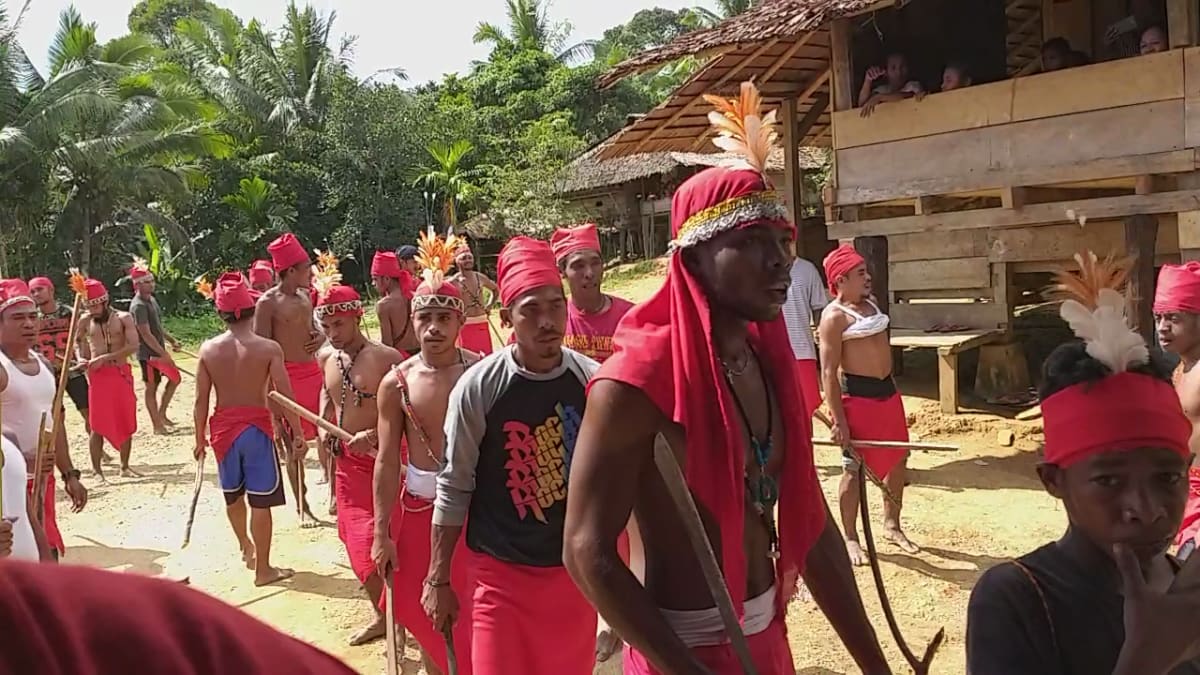
Nagaland's Ao tribe celebrates Moatsu for three days in May, marking the end of planting season. Villages gather around bonfires for the Sangpangtu ritual, sharing rice beer, stories, and folk performances that strengthen community bonds.
Why This Inspires
These festivals survive because communities choose to keep them alive. Organizing events like Thrissur Pooram or Kollam Pooram requires massive coordination, funding raised locally, and volunteers who spend months in preparation.
Young people learn traditional percussion rhythms and dances not in mandatory classes but because they want to participate. Families save money to contribute to temple decorations and elephant caparisons. Entire towns shut down regular life to make room for celebration.
In Ooty, the annual Flower Festival transforms botanical gardens into living art with 150 flower varieties arranged in intricate patterns. What started as a colonial-era garden show has become a celebration that draws thousands to the Nilgiris each May.
These aren't government-mandated heritage preservation programs. They're organic expressions of communities deciding their traditions matter enough to sustain. The festivals adapt slightly each year while keeping their core intact, proving that ancient practices can evolve without disappearing.
In an era of rapid change, these summer gatherings show what survives when people invest time, resources, and heart into keeping culture alive.
More Images
%2B(1).png)
%2Fenglish-betterindia%2Fmedia%2Fmedia_files%2F2026%2F04%2F08%2Fsummer-festivals-2026-04-08-12-41-28.png)
%2Ffilters%3Aformat(webp)%2Fenglish-betterindia%2Fmedia%2Fmedia_files%2F2026%2F04%2F08%2Fsummer-festivals-2026-04-08-12-42-25.png)
.png)
Based on reporting by The Better India
This story was written by BrightWire based on verified news reports.
Spread the positivity!
Share this good news with someone who needs it