India's Tiger Population Soars 160% Since 2006
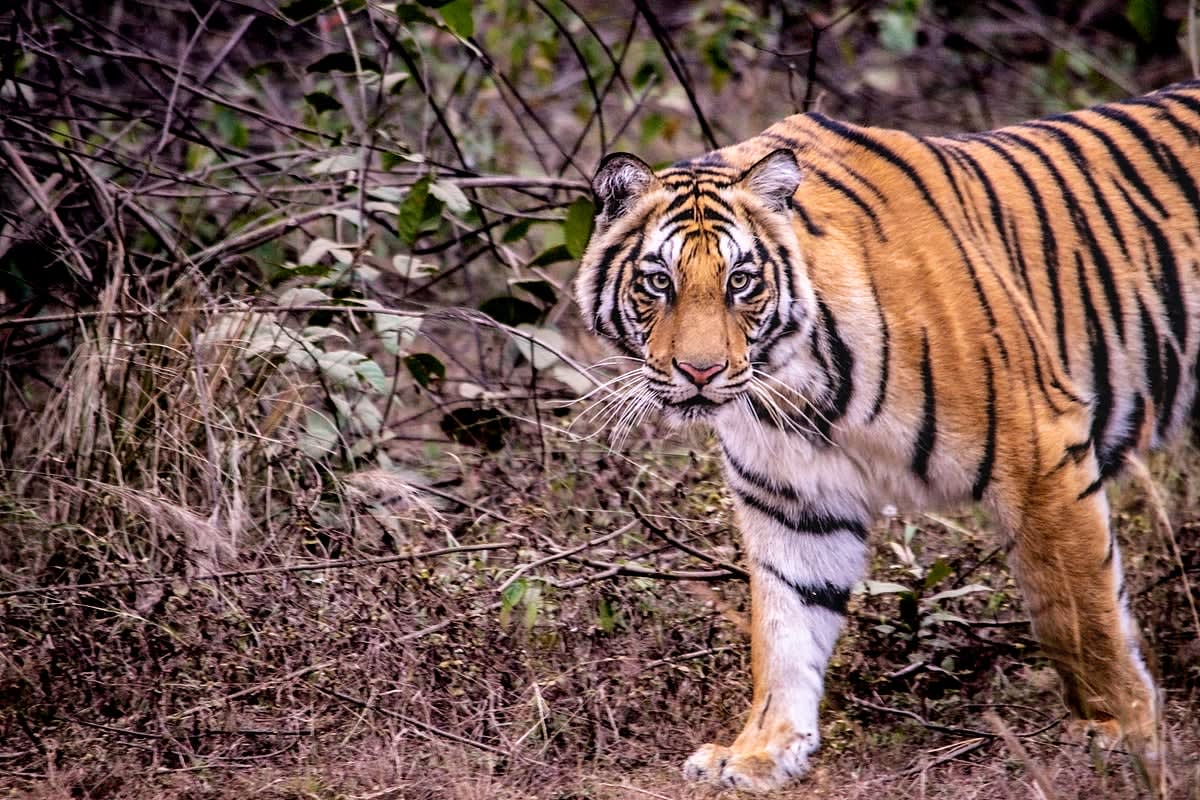
India now hosts up to 75% of the world's wild tigers, with populations nearly tripling in just 16 years. Even more remarkable: 40% of these majestic cats thrive outside protected reserves, living alongside 1.4 billion people.
India has pulled off what many thought impossible: growing its wild tiger population from 1,411 in 2006 to 3,682 in 2022, all while supporting the world's largest human population.
The country now protects up to three-quarters of all wild tigers on Earth. This isn't just a conservation win. It's proof that humans and wildlife can share space when communities are partners, not obstacles.
The story gets better. Nearly 40% of India's tigers live outside official protected areas, thriving in forests and landscapes where people work, farm, and raise families. This challenges the old belief that tigers need humans to move out before populations can recover.
After tigers went locally extinct in Sariska Tiger Reserve in 2004, the loss shook India's conservation community. The wake-up call led to major policy changes, including amendments to wildlife protection laws in 2006. Today, Sariska is home to about 20 tigers again, while nearby Panna hosts around 60.
Lions, leopards, and snow leopards are also flourishing across India. Several cities and towns now regularly see these big cats moving through peri-urban areas, creating vital genetic connections between different populations.
The Ripple Effect
India's success offers a blueprint for conservation worldwide. The secret isn't building higher fences or relocating more communities. It's recognizing that wildlife needs connected landscapes, and local people are the best guardians of those spaces.
The country's 53 tiger reserves average just 230 square kilometers each, too small for viable populations alone. Tigers survive by moving through the broader landscape, dispersing as populations grow and maintaining genetic diversity crucial for long-term health.
This achievement comes with challenges. Forest-dwelling communities, often indigenous groups, have borne disproportionate costs of conservation efforts. Moving forward means ensuring protection works for both wildlife and people.
The lesson is clear: conservation succeeds when it includes everyone.
Based on reporting by Google News - Conservation Success
This story was written by BrightWire based on verified news reports.
Spread the positivity!
Share this good news with someone who needs it