India's Tiger Population Soars From 1,827 to Over 3,000
A young filmmaker's chance meeting with a tigress in 1973 helped launch India's Project Tiger, bringing the country back from near extinction with just 1,827 wild tigers to over 3,000 today. What started as one man's escape from city life became a conservation movement that saved an entire ecosystem.
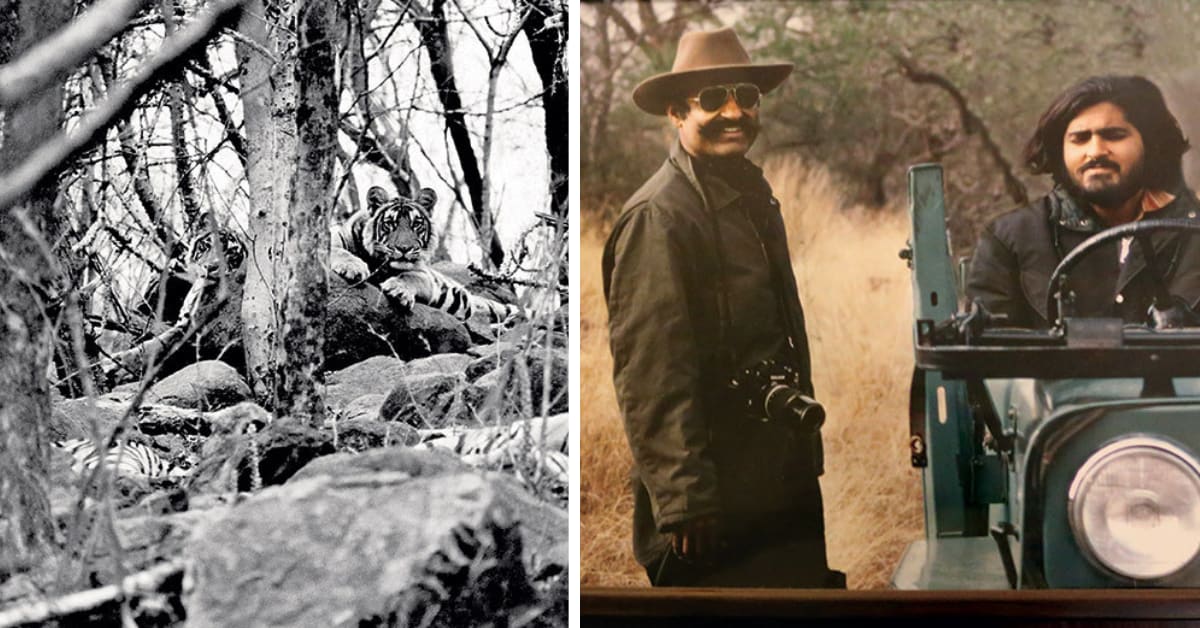
Valmik Thapar arrived in Ranthambore in the early 1970s just looking for a break from Delhi. He was a filmmaker, not a conservationist, but when he encountered a tigress named Padmini moving through the dry grass, something shifted.
That moment anchored him to a place, and a cause, that would define his life. Padmini became the matriarch of Ranthambore's tiger lineage, raising cubs who would secure the park's future, including the legendary Machli, who later became India's most famous tigress.
But in 1973, India's tiger population had dropped to just 1,827. Centuries of hunting by colonial officers and royalty had turned the species into sport, and efficient firearms made killing easy. The country was on the verge of losing its most powerful symbol.
That year, India launched Project Tiger under conservationist Kailash Sankhala. The programme started with nine reserves and a radical new approach: protect entire ecosystems by focusing on one species. If tigers thrived, everything around them would too.
The recovery wasn't smooth. By 2006, numbers fell again to 1,411, exposing gaps in monitoring and revealing organized poaching networks. That crisis became a turning point.
Conservation teams adopted camera traps to identify individual tigers by their stripe patterns. Independent verification replaced inflated estimates, and the National Tiger Conservation Authority was established to strengthen oversight and accountability.
The Ripple Effect
Today, India is home to over 3,000 wild tigers across 58 reserves, nearly 75 percent of the world's wild population. But the real story is what happened to the forests around them.
When tigers are protected, they need large territories, clean water, and healthy prey populations. So grasslands regenerate, rivers stabilize, and deer and wild boar populations increase. Birds, reptiles, and smaller mammals follow, creating balanced ecosystems that support entire regions.
Behind this success are forest guards who patrol difficult terrain daily, often facing poacher threats. Local communities have adjusted their lives to coexist with wildlife, making sacrifices that rarely make headlines.
And there were storytellers like Thapar, who passed away last year, ensuring these efforts stayed visible. His documentaries and advocacy kept attention on Ranthambore and tigers across India for decades.
Project Tiger turned 53 on April 1, 2026. A new tiger census for 2025 to 2026 is currently underway, and it will reveal whether this momentum continues.
From one filmmaker and one tigress to a nationwide movement that brought forests back to life.
More Images
%2B(1).png)
%2Fenglish-betterindia%2Fmedia%2Fmedia_files%2F2026%2F04%2F03%2Fsriroopa-featured-image-template-4-2026-04-03-16-52-53.png)
%2Fenglish-betterindia%2Fmedia%2Fmedia_files%2F2025%2F11%2F20%2Fwild-at-heart-banner-image-microsite-banner-2025-11-20-16-17-04.jpg)
.png)
Based on reporting by The Better India
This story was written by BrightWire based on verified news reports.
Spread the positivity!
Share this good news with someone who needs it