India's UPI Hits 13,000x Growth in 10 Years
India's revolutionary payment system has exploded from 18 million transactions in its first year to a staggering 241 billion in 2025-26. What started as an experiment is now moving more money than many countries' entire economies.
Ten years ago, India launched a simple idea: let anyone pay anyone instantly using just a phone number. Today, that system processes more transactions than Visa and Mastercard combined in many markets.
The Unified Payments Interface, or UPI, celebrated its tenth birthday this August with numbers that sound almost impossible. Transaction volume soared from 18 million in 2016-17 to over 241 billion in 2025-26, a 13,000-fold jump that represents one of the fastest technology adoptions in human history.
The money moving through the system tells an equally remarkable story. Transaction values climbed from $870 million to $3.9 trillion over the same period, a 4,000-fold increase that now rivals the GDP of major economies.
July 2026 marked UPI's biggest month ever, with 23.6 billion transactions flowing through the network. That's roughly 750 transactions every single second, day and night, for an entire month.
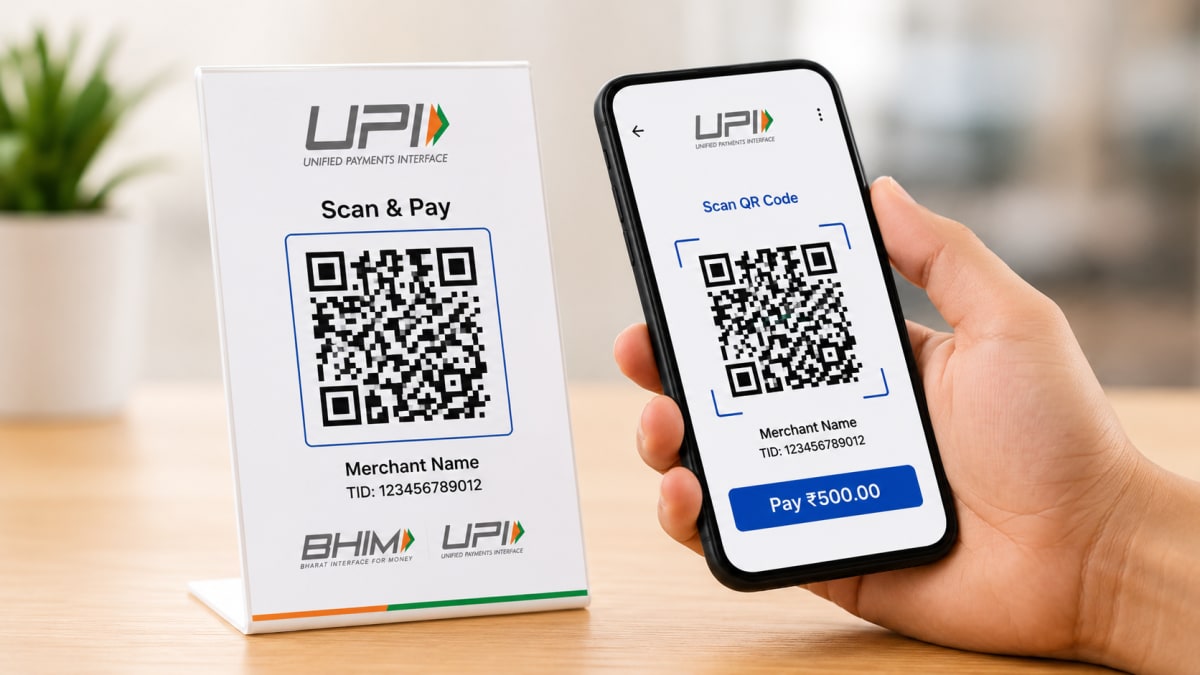
The system works because it's beautifully simple. No credit card numbers, no bank details, just a quick scan or a phone number. A street vendor selling chai can accept payment the same way a major retailer does, all through the same network.
What started with 44 banks has grown to include 703 financial institutions. This explosion in participation means nearly every Indian with a bank account can now send and receive money instantly, for free, anytime.
The Ripple Effect
UPI's impact reaches far beyond convenient payments. Millions of small business owners who once dealt only in cash now participate in the formal digital economy, opening doors to credit, insurance, and financial planning they never had access to before.
Street vendors, farmers, and artisans in remote villages can now receive payments from customers anywhere in India without needing expensive point-of-sale terminals or paying hefty transaction fees. This democratization of digital payments is quietly reshaping economic opportunity across the world's most populous nation.
Other countries are taking notice. Several nations are now building their own real-time payment systems modeled directly on UPI's success, hoping to replicate India's leapfrog into the digital economy.
When something grows 13,000 times in a decade, it's not just technology working, it's millions of people finding something that genuinely makes their lives better.
More Images

Based on reporting by YourStory India
This story was written by BrightWire based on verified news reports.
Spread the positivity!
Share this good news with someone who needs it