India's Wild Tiger Population Soars 161% Since 2006
India now shelters 75% of the world's wild tigers after a remarkable conservation effort brought populations from 1,411 in 2006 to 3,682 in 2022. The nation is the only country successfully protecting five big cat species simultaneously.
India just pulled off what conservation experts are calling one of the greatest wildlife comebacks in modern history.
The country now hosts 3,682 wild tigers, a stunning 161% increase since 2006 when only 1,411 remained. India achieved this milestone four years ahead of the global target set by international wildlife organizations, and now protects roughly three-quarters of all wild tigers on Earth.
The turnaround started with near-catastrophic numbers. By the early 2000s, India had lost 96% of its tiger population since 1900. Scientists used camera traps and GPS technology to confirm the grim reality in 2006, sparking urgent action.
The response transformed conservation. India expanded its tiger reserve network from 9 protected areas in 1973 to 58 reserves across 18 states today. Frontline forest staff now use a real-time monitoring platform called M-STrIPES to track patrols, prevent poaching, and monitor tiger health across vast territories.
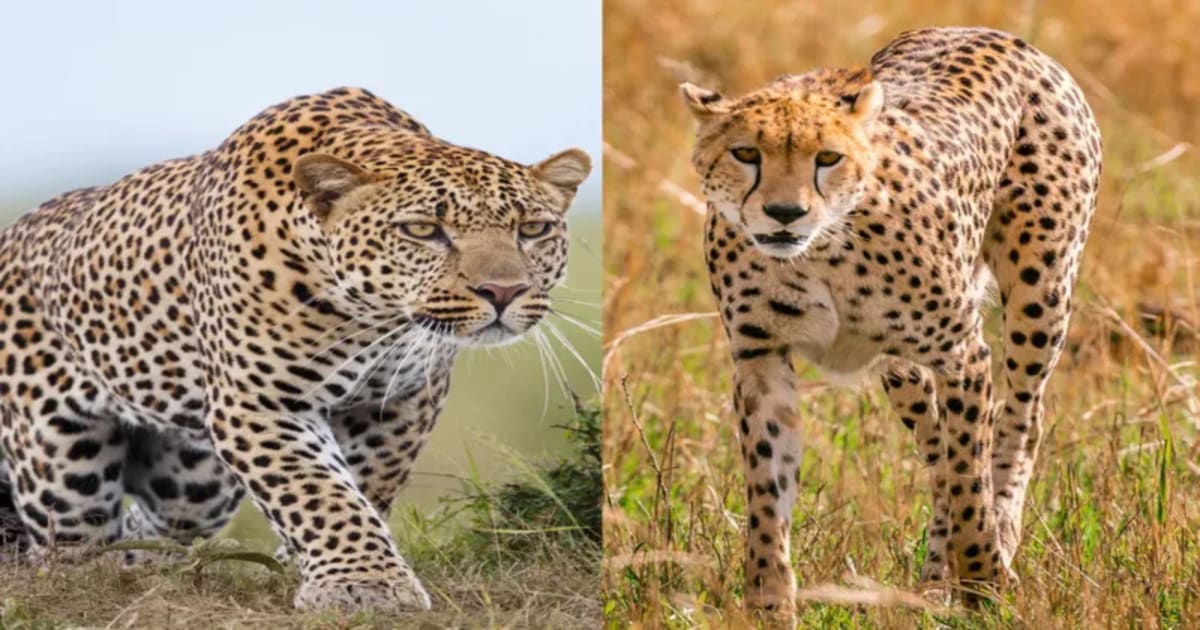
The effort protected more than just tigers. Leopard populations jumped 75% in eight years, reaching 13,874 animals by 2022. The Guinness World Records recognized India's 2022 tiger count as the world's largest wildlife survey ever conducted.
India's Asiatic lion population tells an equally inspiring story. These majestic animals, found only in Gujarat's Gir Forest region, bounced back from just 327 in 2000 to an estimated 891 by 2025. That's one of the fastest-growing big cat populations anywhere on the planet.
The conservation model works because it includes people, not just wildlife. Voluntary relocation programs moved communities from critical tiger zones with full compensation, reducing dangerous conflicts. In Gujarat, the traditional Maldhari pastoral communities who've lived alongside lions for generations became conservation partners rather than obstacles.
Even the elusive snow leopard and common leopard are thriving under this umbrella of protection. Leopards especially benefited from the expanded tiger reserves, with 70% of their habitat now falling within secured zones.
The Ripple Effect
India's success is rewriting global conservation playbooks. The country proved that large carnivore populations can recover even in densely populated nations when communities, scientists, and governments work together.
Thirty-two major wildlife corridors now connect tiger populations, allowing genetic diversity that keeps the species healthy. The monitoring technology developed in India is being shared with other countries struggling to protect their own endangered species.
The numbers tell a story that seemed impossible two decades ago: coexistence works when you invest in both wildlife and the people who live alongside them.
More Images




Based on reporting by Google News - Conservation Success
This story was written by BrightWire based on verified news reports.
Spread the positivity!
Share this good news with someone who needs it