Indigenous Birthing Program Helps Babies Thrive in Australia
A culturally focused health program in Australia is helping Indigenous mothers give birth to healthier babies through personalized support and care. The Birthing on Country initiative keeps families together and communities strong during one of life's most important moments.
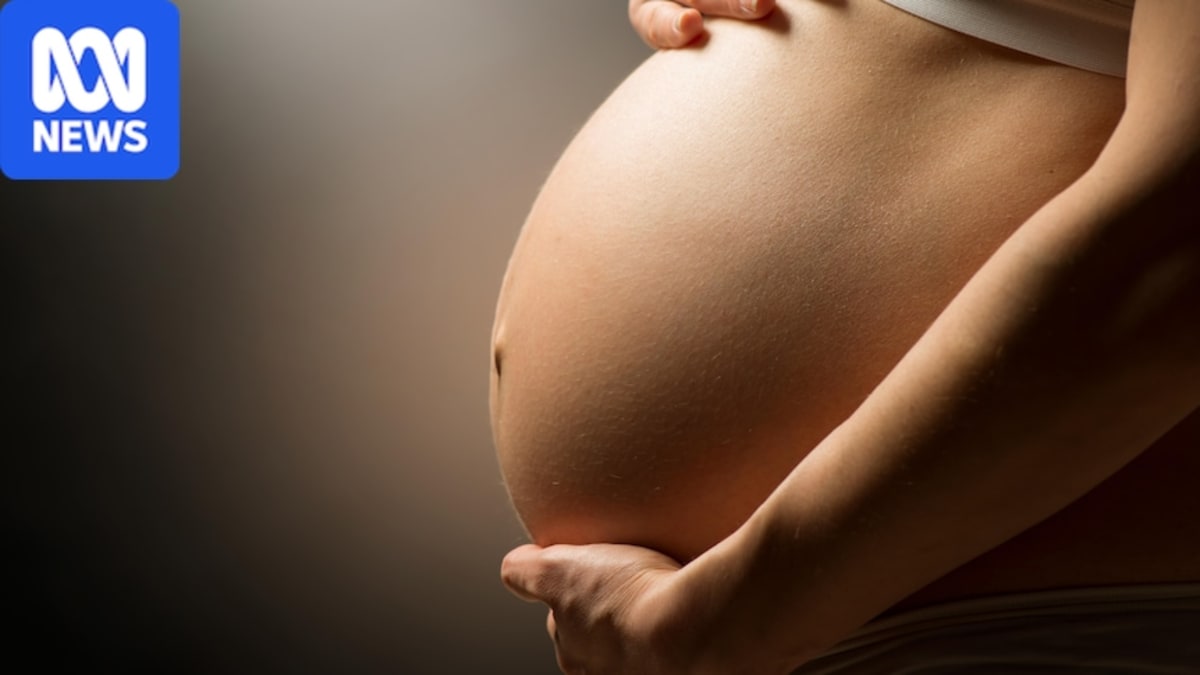
First-time mom Whitney Fordham was terrified of pregnancy until she discovered a health service that would change everything.
As a proud Cullunghutti woman on Australia's south coast, Fordham faced being labeled high-risk and sent away from her community hospital to give birth alone. Instead, Waminda, a local Aboriginal health service, wrapped her in support through their Birthing on Country program.
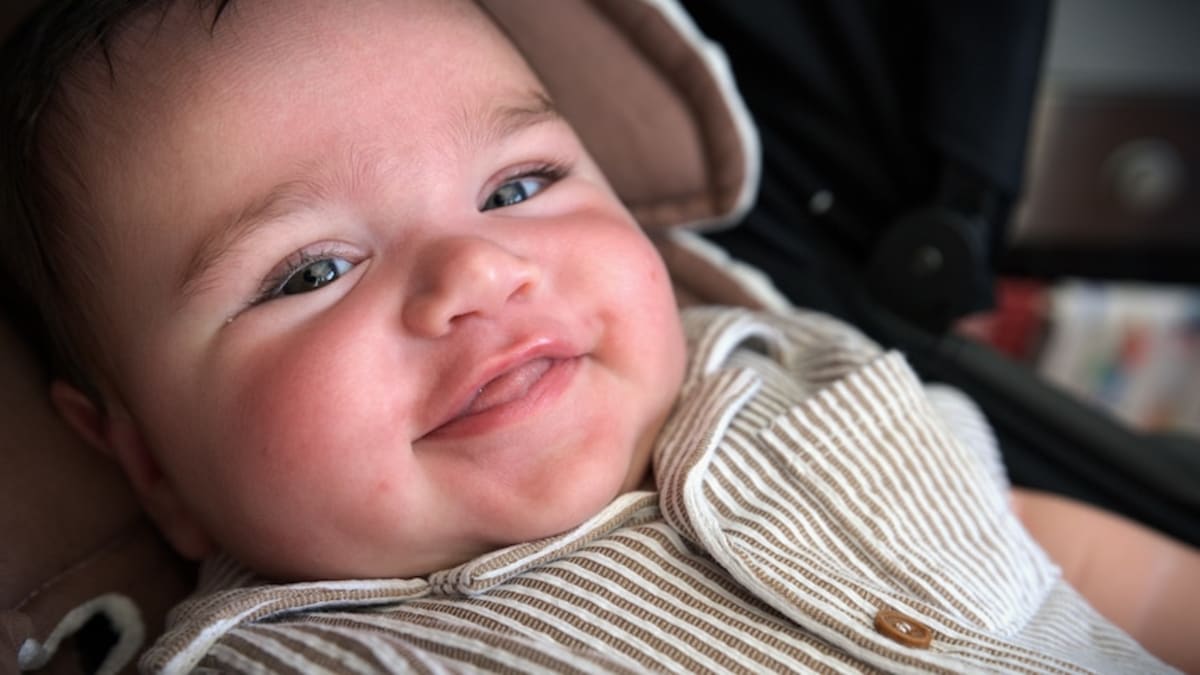
The result? Baby Mikaere arrived healthy and strong at her local hospital, surrounded by family and care providers she trusted.
"I loved it right up until I was due and would be pregnant all over again," Fordham said about her birth experience. Her midwife Rosie Downing stayed with her through every high-risk appointment, helping her feel safe despite her fear of needles and medical interventions.
Mikaere was born three weeks early at a healthy 2.92 kilograms. At his six-month checkup, Downing beamed: "He's growing so well. It's so nice to see him so healthy, thriving and strong."
Programs like this matter because right now, 88.9 percent of Indigenous babies in Australia are born at healthy weights, compared to 93.9 percent of non-Indigenous babies. The national goal is to reach 91 percent within five years.
Dr. Yvette Roe from Charles Darwin University explains that babies born too small face serious challenges. "It's like starting a race and you're behind the start line," she said. Underdeveloped lungs, smaller brains, and higher illness risk can follow these children for years.
The Ripple Effect
Birthing on Country programs do more than deliver healthy babies. They keep families together during critical moments and build trust between Indigenous communities and healthcare systems.
The approach focuses on continuity of care, meaning mothers work with the same midwives throughout pregnancy. Women share their stories once, in spaces where they feel safe, rather than repeating trauma to strangers at different appointments.
The program also addresses broader challenges like mental health, housing, and food security. Recent research shows First Nations women using the Waminda service had significantly more normal vaginal births and were more likely to exclusively breastfeed after leaving the hospital.
Fordham, who works as a health practitioner at Waminda herself, turned to their midwifery team after hearing traumatic birth stories from friends and family. "I just feel that with the wrap-around support services and the love bubble from Waminda, it shifts your whole mindset," she said.
The program embeds cultural values into modern healthcare, honoring the tradition of birthing babies on ancestral lands while providing top-tier medical support. For mothers in remote areas facing limited services and food insecurity, this combination proves lifesaving.
Every healthy baby represents not just a good start to life, but hope for closing long-standing health gaps between Indigenous and non-Indigenous Australians.
More Images


Based on reporting by ABC Australia
This story was written by BrightWire based on verified news reports.
Spread the positivity!
Share this good news with someone who needs it