Indigenous Clam Gardens Rebuilt After 4,000 Years
Indigenous communities across North America are reclaiming ancient land management practices, from engineered clam gardens to prescribed burns, as Western scientists finally recognize what traditional knowledge holders knew all along. The shift is restoring both ecosystems and food sovereignty after generations of forced separation.
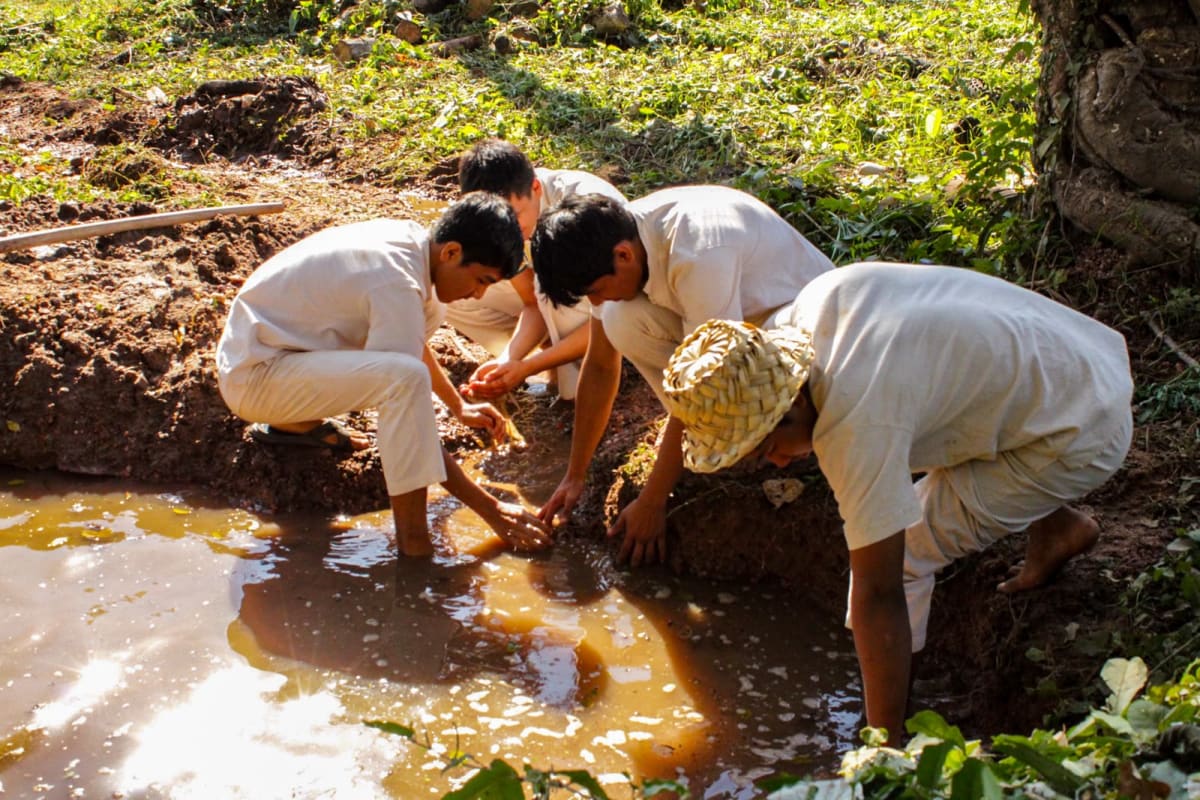
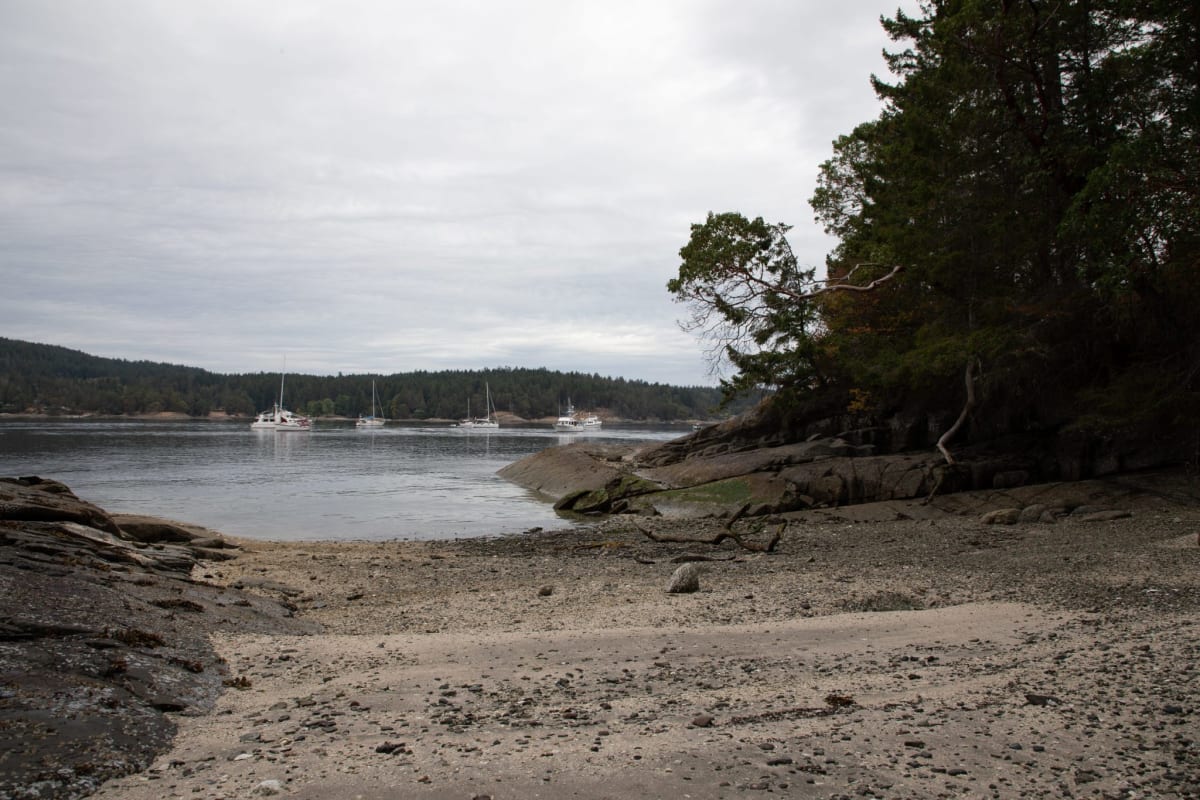
For at least 4,000 years, Indigenous communities engineered terraced, rock-walled beaches in the Pacific Northwest that produced abundant butter clams, red rock crab, and sea cucumbers. Now, marine ecologist Marco Hatch, an enrolled member of the Samish Indian Nation, is helping seven Indigenous communities rebuild these clam gardens and reclaim access to ancestral food sources.
The collaboration represents what environmental justice professor Kyle Whyte calls a "massive shift" in how Western science treats Indigenous knowledge. For generations, researchers dismissed traditional practices as mythic or fabricated, costing communities time, money, and sovereignty.
The price of that dismissal adds up quickly. Researchers often spend millions confirming what Indigenous people already knew through generations of careful observation. In British Columbia, scientists discovered that Indigenous-tended forest gardens produced crabapple, hazelnut, wild plum, wild rice, and cranberries while improving overall forest health.
In Michigan, the Sault Ste Marie Tribe of Chippewa Indians spent more than 20 ecology surveys proving that prescribed burns support sharp-tailed grouse, snowshoe hare, and deer populations. Those animals declined after the federal government banned burning in 1911, ignoring centuries of Indigenous land management expertise.
The Wabanaki people faced similar barriers when seeking to harvest sweet grass from Acadia National Park land in Maine. Cut off from ancestral marshes for over 100 years, they participated in a 2016 study that proved what they already practiced: their traditional harvesting methods provide the greatest ecological benefit.
Ecologist Suzanne Greenlaw, a citizen of the Houlton Band of Maliseet Indians, now uses pollen from core samples to identify cattails and groundnuts that Wabanaki communities once ate in Acadia's freshwater marshlands. Whether the community will need separate permits for each plant or receive broader harvest rights remains uncertain.
The Ripple Effect
The change goes beyond individual projects. Canada passed legislation in 2019 requiring consideration of Indigenous knowledge in fisheries decisions. Federal funding since 2022 supports research exploring how Western science and Indigenous knowledge can work together as equals.
Kisha Supernant, who directs the University of Alberta's Institute of Prairie and Indigenous Archaeology, describes Indigenous knowledge as "a rich history of observation, experimentation and understanding that has its own systems of rigor." Where Western science divides topics into separate fields, Indigenous knowledge treats earth, water, air, plants, and animals as deeply interconnected.
The key difference lies in who sets the terms. Supernant notes that requiring Indigenous communities to prove their knowledge using Western methods creates an unequal partnership. Greenlaw puts it more directly: "Western science can help, as long as Native people are still decision makers."
Whyte offers specific advice for researchers: approach Indigenous partners before forming research questions, get excited together about topics, and include Indigenous people at the earliest stages. When knowledge holders and land managers meet around shared goals, the results speak for themselves.
After seven generations of careful land stewardship, Wabanaki communities are finally regaining harvest rights that should never have required scientific validation.
Based on reporting by Optimist Daily
This story was written by BrightWire based on verified news reports.
Spread the positivity!
Share this good news with someone who needs it