Indigenous Cricket Stars Drive 2.5 Hours for Big Dreams
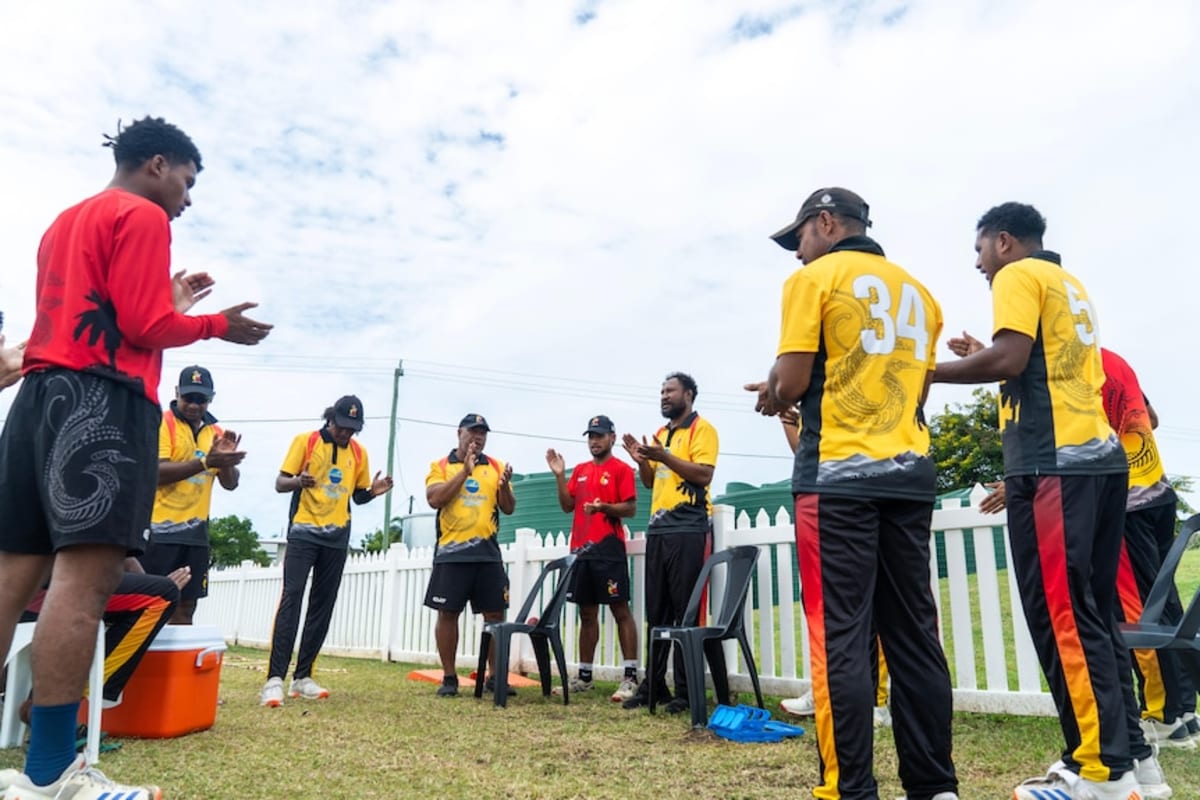
Young Indigenous cricketers are traveling hours from remote Australian communities to compete in national championships that have launched careers in professional cricket. This year's tournament in Mackay includes 13 teams and Papua New Guinea's national squad for the first time.
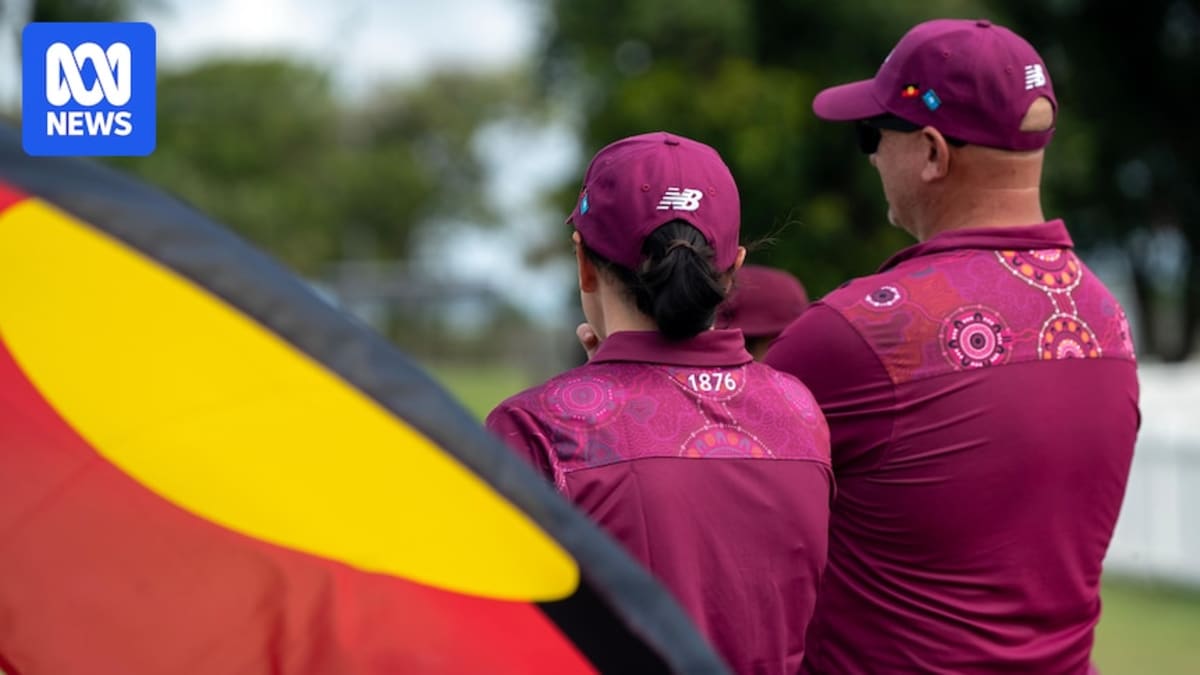
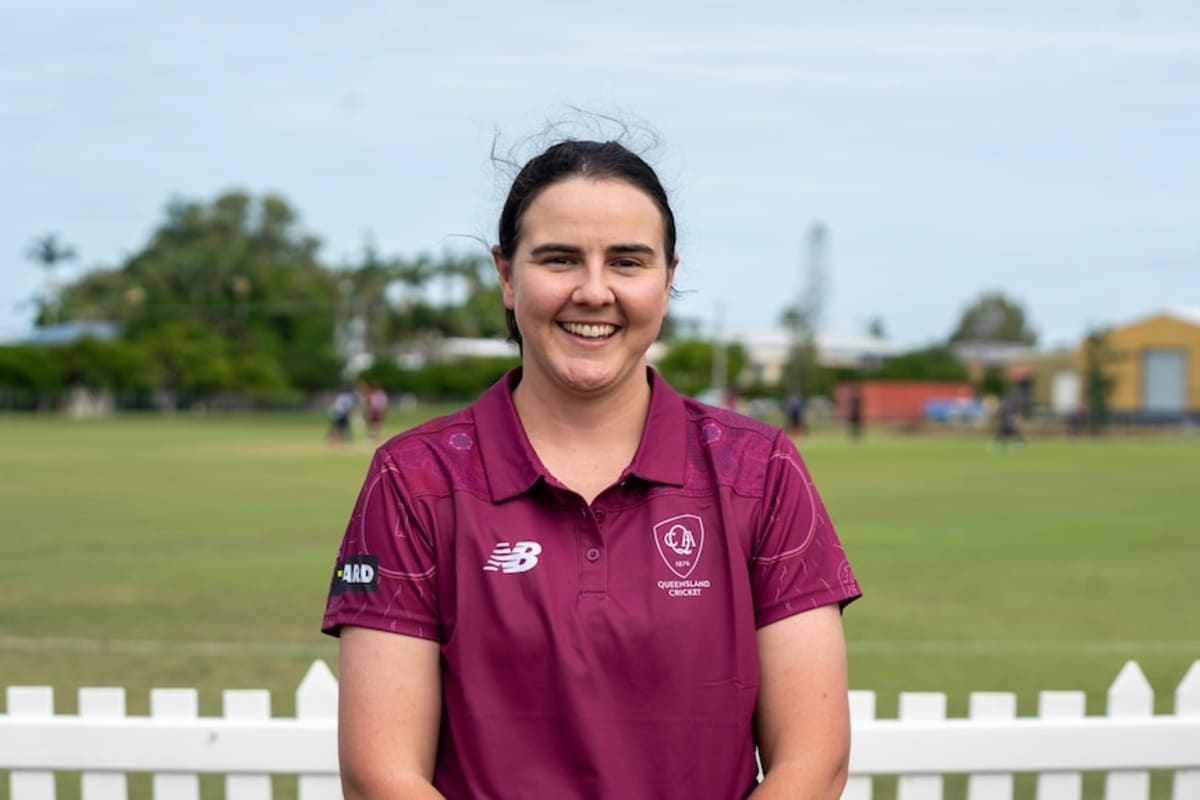
Caitlyn Henry drives two and a half hours each way, every single week, just to practice cricket. The journey from her home in Mount Garnet to Cairns takes five hours round trip, but for the Far North Queensland player, wearing the maroon Queensland jersey makes every mile worth it.
Henry is one of dozens of Indigenous athletes competing at the National Indigenous Cricket Championships in Mackay this week. The tournament brings together eight men's teams and five women's teams from across Australia, with Papua New Guinea's Barramundis joining for the first time in the competition's history.
The championships started small in the 1990s with a single match between Alice Springs and Tennant Creek. Cricket Australia transformed it into a national tournament in 2001, and it has grown into a crucial stepping stone for young talent.
For many players, getting to the tournament is a victory in itself. "Some girls in remote communities have to travel hours, and that's not just travelling, that's finding the means of a car and paying for fuel," said Tamika Hansen, Queensland women's team manager who has watched the tournament evolve over the past decade.
The effort pays off with real opportunities. The championships are part of Cricket Australia's high-performance program, with past participants advancing to the Big Bash League and even Australia's national teams.
The Ripple Effect
The tournament creates waves far beyond the cricket field. Patrick Rosser, a NSW player and coach, is competing alongside his 16-year-old son James this year, creating memories that will last generations.
For Northern Territory player Bradley Ilott, returning to compete in Mackay where he spent his childhood represents a full-circle moment. "We're all proud to be out here, not just for our state but our people back home, our mobs," he said.
The week includes cultural engagement sessions where teams discuss how they want to see the competition grow. Hansen sees the broader impact clearly: young Indigenous cricketers now have support systems and pathways that simply didn't exist a decade ago.
Henry knows her journey inspires kids back home in Mount Garnet who are just starting to fall in love with cricket. Her family's pride in seeing her wear the Queensland jersey mirrors the pride of Indigenous communities across Australia watching their youth chase dreams that are finally within reach.
More Images


Based on reporting by ABC Australia
This story was written by BrightWire based on verified news reports.
Spread the positivity!
Share this good news with someone who needs it