Indigenous Farming Offers Climate Solutions, Study Finds
A new study reveals that traditional Indigenous farming practices could help modern agriculture tackle climate change challenges. Researchers are calling for more investment to scale these time-tested methods worldwide.
Scientists are discovering that ancient farming wisdom might be exactly what modern agriculture needs to survive climate change.
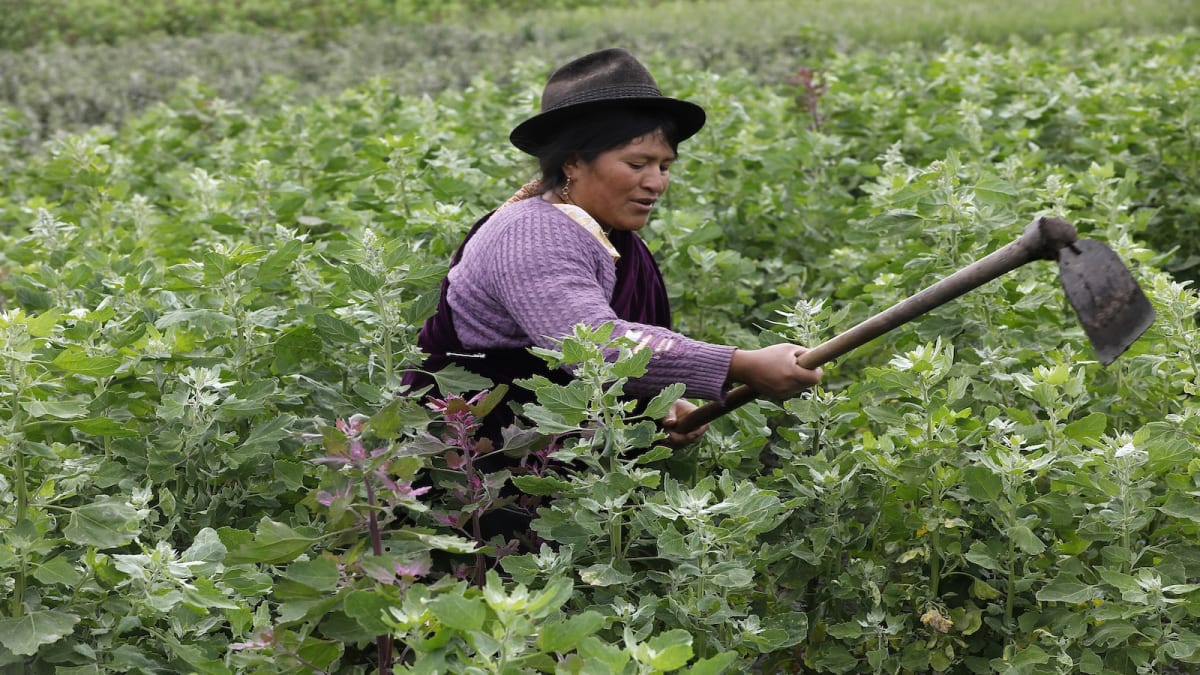
A team at Charles Darwin University recently reviewed 49 studies on Indigenous farming systems and found something remarkable. Traditional practices like growing maize, beans, and squash together naturally protect soil health, preserve biodiversity, and produce food without destroying the environment.
Researcher Kamaljit Sangha wanted to understand how these benefits could work on larger scales. Her study, published in Frontiers in Sustainable Food Systems, highlights a crucial gap: while we know Indigenous farming works, we haven't measured its full economic value in ways that convince policymakers.
"If we highlight the non-monetary values of these food systems, we hope that this can attract more attention from policy decision makers and governments," Sangha explained.
The timing couldn't be more urgent. Climate change is degrading soil health and reducing crop nutritional value across the globe. Meanwhile, current food production accounts for 26 percent of all greenhouse gas emissions.
By 2050, farmers need to increase food production by 35 to 56 percent to feed 10 billion people without clearing more land. Industrial agriculture faces this challenge with methods that often worsen climate problems.
Indigenous communities have been growing food sustainably for generations, but colonialism disrupted many of these practices. Knowledge that took centuries to develop has been lost in just decades as mainstream farming expanded into traditional lands.
The Bright Side
The study shows that combining Indigenous and modern farming methods could create a resilient food system for everyone. Indigenous farming already saves communities money on food, medicine, and fuel while protecting the environment.
In 2024, the United Nations Global Biodiversity Framework Fund committed 20 percent of its resources to support Indigenous land management and conservation. This represents real momentum toward recognizing traditional knowledge.
Sangha and her team believe that with targeted government investment, these time-tested farming methods can scale up to help feed the world. Modern agriculture can learn from practices that have sustained communities through countless environmental changes.
The research shows that we don't have to choose between old and new. The path forward combines the best of both worlds: traditional wisdom meets modern scale, creating food systems that nourish people and heal the planet.
More Images


Based on reporting by Grist
This story was written by BrightWire based on verified news reports.
Spread the positivity!
Share this good news with someone who needs it