Indigenous Leaders Push UN to Enforce Climate Court Wins
Indigenous advocates are demanding action after major international courts ruled governments must protect climate rights and Indigenous lands. Now they're working to turn legal victories into real-world change.
Last year, the world's highest court said governments causing climate harm must be held accountable. But Indigenous leaders gathering at the United Nations this week are asking a crucial question: How do we make countries actually follow these rulings?
The International Court of Justice issued a powerful advisory opinion recognizing that states contributing to climate change should answer for the damage they cause, especially to small island nations. The Inter-American Court on Human Rights followed with its own sweeping decision, calling on governments to cut fossil fuel emissions and include Indigenous knowledge in climate policies.
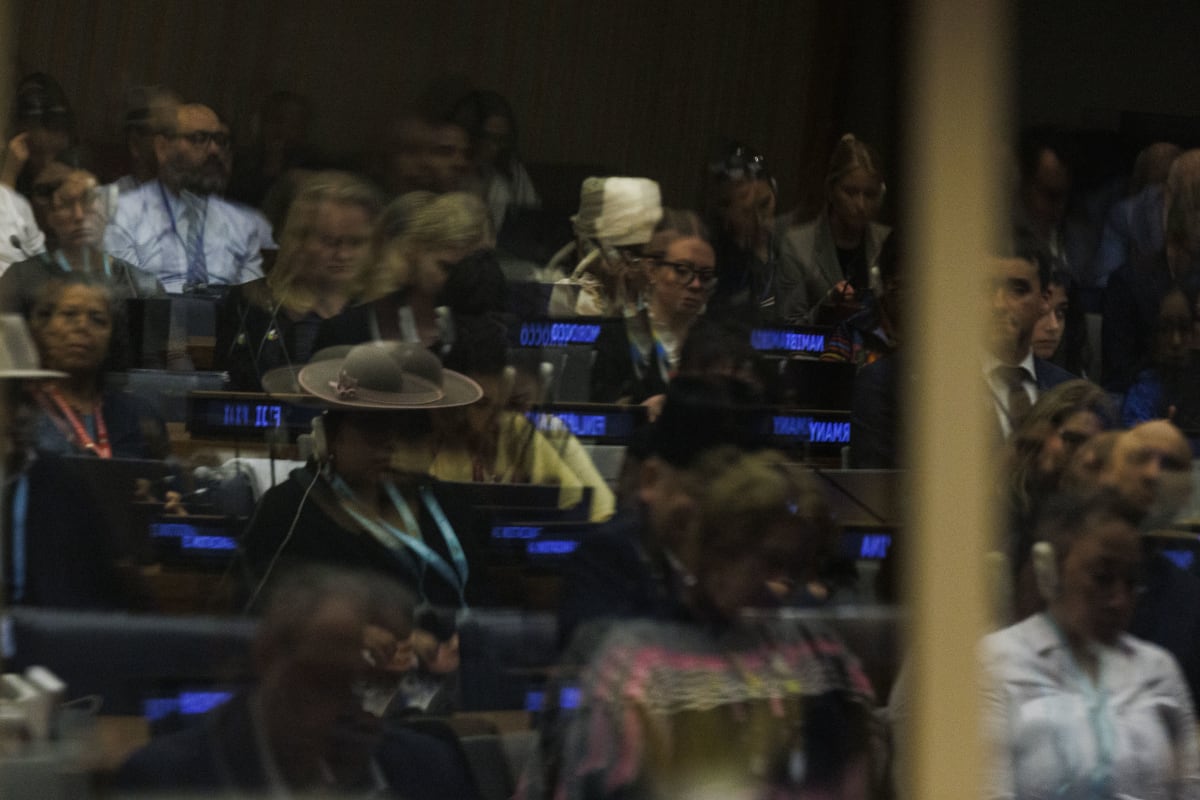
These aren't just symbolic wins. "These advisory opinions are instruments of power," Luisa Castañeda-Quintana, executive director of Land is Life, told hundreds of advocates at the UN Permanent Forum on Indigenous Issues. "They can and must be used to strengthen Indigenous Peoples' advocacy at every level."
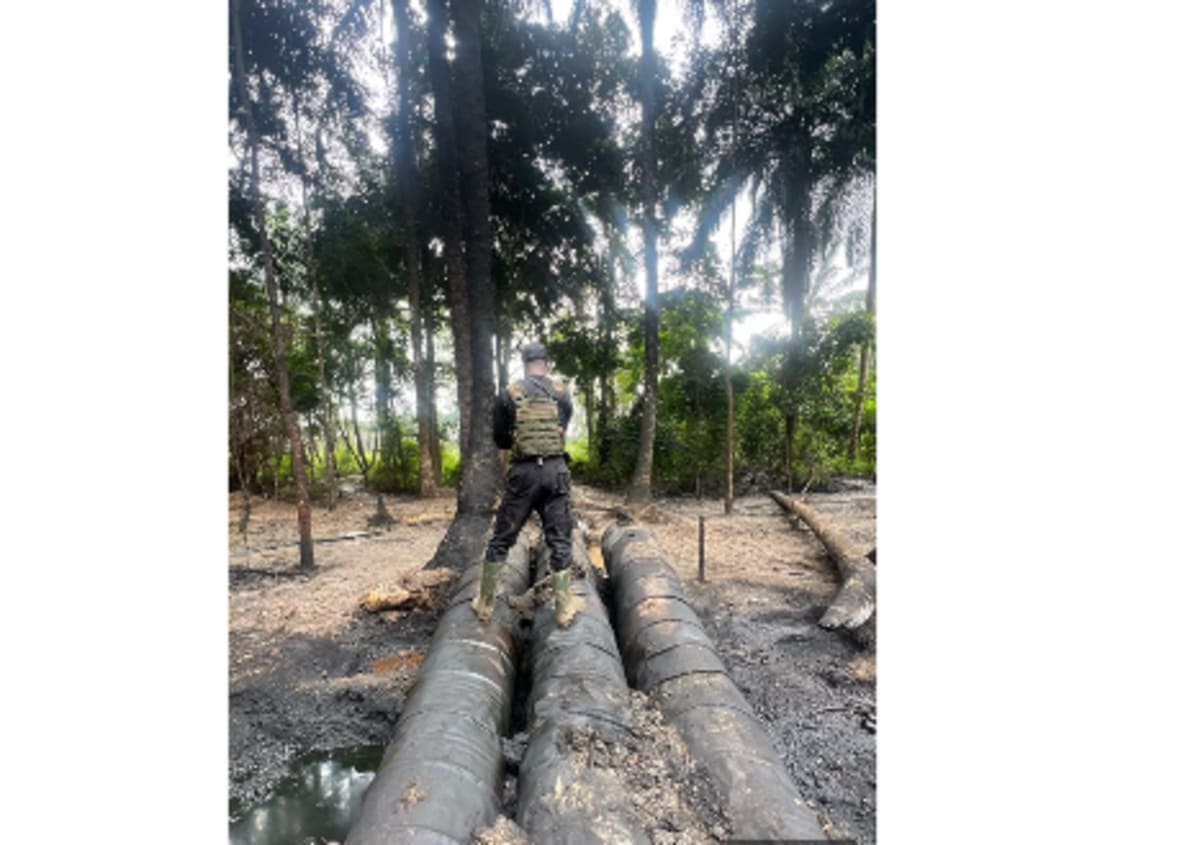
The problem is enforcement. Ecuador's constitution has recognized the rights of nature since 2008, yet oil wells keep pumping on Indigenous lands despite court orders. Juan Bay, President of the Waorani Nation of Ecuador, pointed out that his country isn't complying with laws meant to protect Indigenous peoples living near oil operations.
The pattern extends far beyond one nation. A UN report found that across Latin America and the Caribbean, "strong legal frameworks coexist with persistent failures in implementation." Even favorable court rulings get undermined by poor enforcement.
Small island nation Vanuatu introduced a UN resolution this year to make the court ruling actionable, calling for fossil fuel phaseouts and climate reparations. The U.S. administration opposed it, but Vanuatu hasn't backed down. A vote is scheduled for May.
The Ripple Effect
Indigenous communities are already using these court decisions as tools for change. From Northern Ontario, where First Nations face climate-driven flooding, to Aotearoa New Zealand, where Māori lands endure stronger storms, advocates are leveraging international mechanisms to pressure their governments.
The African Court on Human and Peoples' Rights is now considering a case on climate obligations, including how governments should handle climate-related displacement. Legal momentum keeps building, creating new pathways for protection.
Ryan Fleming of the Attawapiskat First Nation sees spaces like the UN Permanent Forum as crucial for holding countries accountable to their human rights obligations. "We understand the importance of leveraging these international mechanisms," he said.
Indigenous leaders aren't waiting for permission to act on these legal wins.
More Images




Based on reporting by Grist
This story was written by BrightWire based on verified news reports.
Spread the positivity!
Share this good news with someone who needs it