Indigenous Leaders Shape Clean Energy's Future in Colombia
More than 50 countries gathered in Colombia for the first global conference focused entirely on phasing out fossil fuels, with Indigenous leaders demanding that the clean energy transition protect their lands and ways of life. Their voices are now central to creating solutions that work for both people and the planet.
Indigenous communities are ensuring the world's shift to clean energy doesn't repeat the mistakes of the fossil fuel era.
At a groundbreaking conference in Santa Marta, Colombia, more than 50 countries and thousands of civil society representatives gathered for the first global summit dedicated solely to transitioning away from fossil fuels. Unlike typical UN climate meetings dominated by industry lobbyists, this event gave Indigenous leaders a central voice in shaping what comes next.
The message from Indigenous speakers was clear and hopeful. Yes to phasing out fossil fuels, but the solutions must protect their territories and traditional ways of life. "When extractivists move in, they don't just destroy nature, but also our way of living," said Luene Karipuna, an Indigenous leader from Brazil's Amapá state.
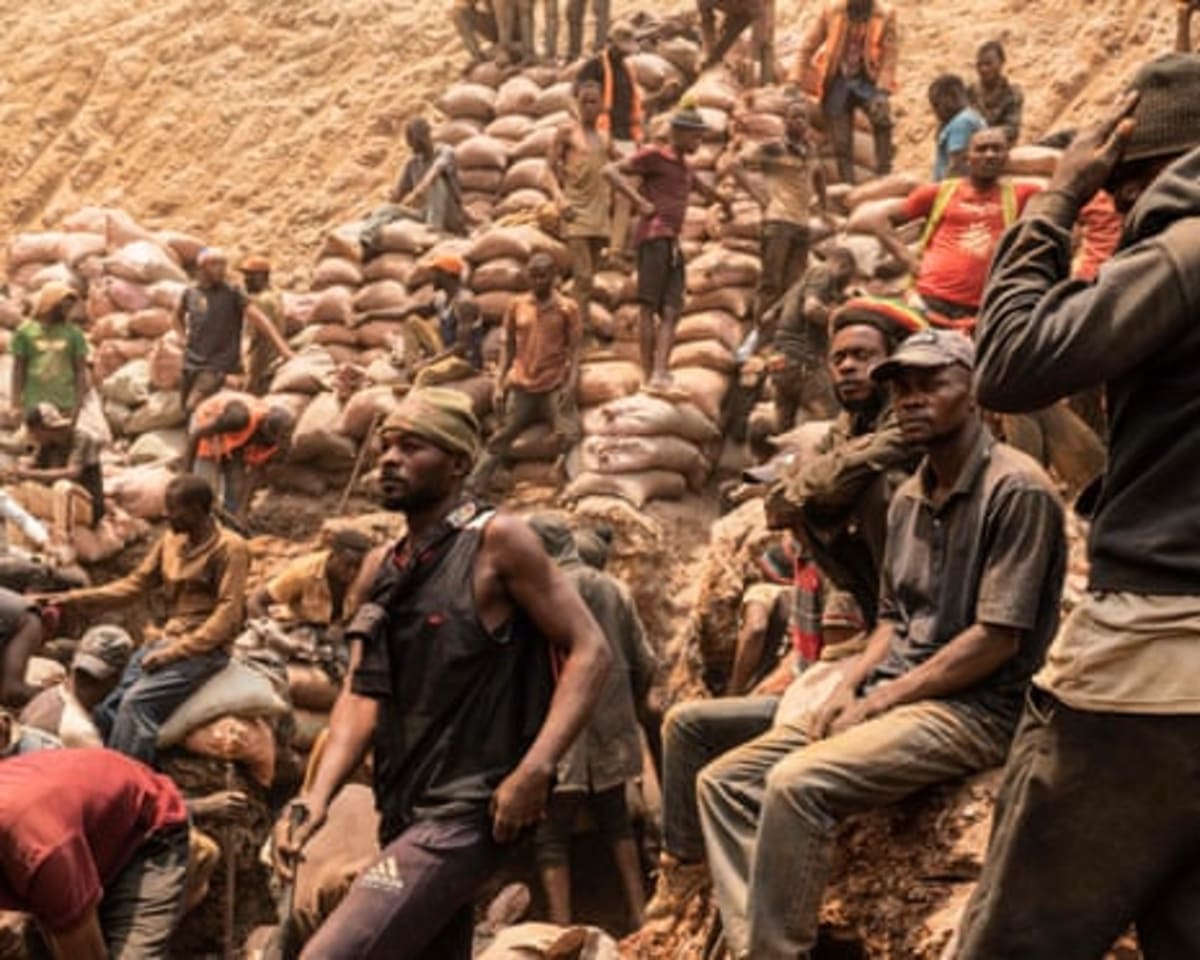
These leaders raised an important question the world needs to answer. Wind turbines, solar panels, and electric car batteries all require mining critical minerals, often from Indigenous lands. Patricia Suárez of Colombia's National Organization of Indigenous Peoples warned against solving one problem by creating another.
The conference revealed encouraging financial realities too. Research showed governments worldwide spent $1.2 trillion supporting fossil fuels in 2024, compared to just $254 billion for clean energy. That gap represents a massive opportunity to redirect public money toward renewable systems that protect vulnerable communities.
What makes this gathering different is how Indigenous groups participated. They held their own forum, and their recommendations will feed directly into the main summit document shared with ministers. Irene Vélez Torres, director of Colombia's National Environmental Agency, confirmed Indigenous communities played a more central role here than at typical UN summits.
Gregório Mirabal, representing the Kurripako Indigenous People from Venezuela, framed the transition perfectly. "The transition should be towards standing forests and fresh water," he said. Health, nature, and energy are all connected.
The Ripple Effect
This conference model is already inspiring change beyond Santa Marta. By bringing together governments, Indigenous communities, and civil society outside the gridlocked UN process, organizers created space for honest conversations about what a just energy transition actually looks like. The coalition forming here gives fresh momentum to climate negotiations that have stalled under industry pressure.
Angela Picciariello, a researcher with the International Institute for Sustainable Development, offered practical hope. "The better option is to protect households in the short term while using public finance to scale up renewables and build more resilient energy systems over time," she said. Governments don't need to choose between helping people now and building clean energy futures.
The Santa Marta conference proves that when Indigenous voices lead, solutions emerge that protect both planet and people for generations to come.
More Images

Based on reporting by Google News - Clean Energy
This story was written by BrightWire based on verified news reports.
Spread the positivity!
Share this good news with someone who needs it