Indigenous Memory Reveals 80 Years of Bird Changes
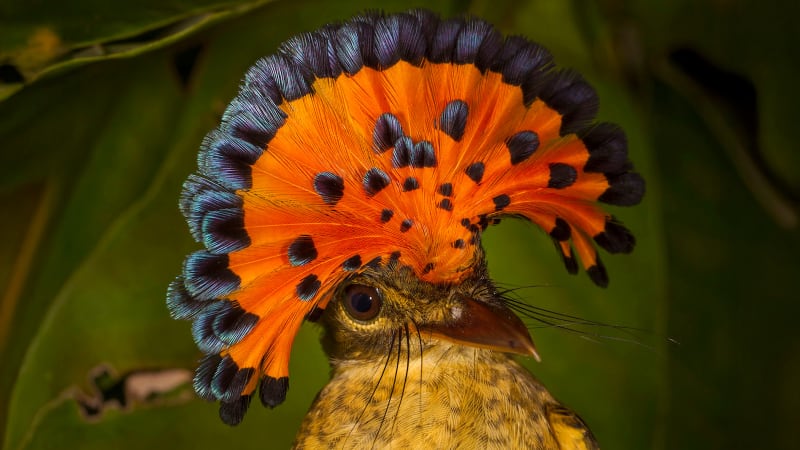
Indigenous communities across three continents noticed something scientists missed: birds are getting smaller. Their memories, spanning 80 years, revealed a 72% drop in average bird size where formal monitoring never existed.
For generations, Indigenous peoples have watched the skies and noticed a troubling pattern. The larger birds they remembered from childhood are disappearing, replaced by smaller species.
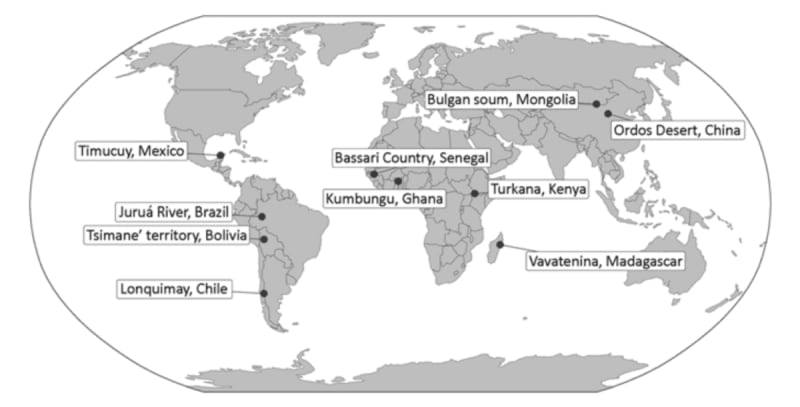
A groundbreaking global study just confirmed what these communities have been saying all along. Researchers worked with ten Indigenous and local communities across three continents, gathering nearly 7,000 reports about birds people see today versus those they remember from their youth.
The results tell a powerful story. Across all sites, birds have shifted dramatically toward smaller-bodied species over roughly 80 years, with average body mass dropping by an estimated 72%. This happened even in remote areas where scientists never set up formal monitoring stations.
The discovery highlights something conservation science is finally embracing: some of the most valuable environmental data doesn't live in databases. It lives in the daily observations of people who depend directly on the land, passed down through generations.
Traditional ecological knowledge works differently than scientific monitoring. Indigenous hunters, fishers, and farmers notice subtle changes because their lives depend on reading natural signals. Over decades, these observations become a living record of how ecosystems shift.
This matters especially in regions where scientific monitoring arrived late or never came at all. Many Indigenous territories span tropical forests, Arctic coastlines, and remote landscapes that lack long-term data. The memories of elders can extend our understanding back generations before the first research station opened.
The Ripple Effect
The shift toward smaller birds signals more than just numbers declining. Larger bird species tend to be more vulnerable to habitat loss and environmental stress, so their disappearance suggests deeper ecosystem changes are underway.
But the research points toward hope, not just loss. Conservation projects that combine scientific methods with traditional observation are gathering extensive data across huge areas. Local participants can monitor wildlife populations effectively because they're already there, already watching, already invested in the outcome.
When communities stay connected to their lands and their knowledge gets recognized as valuable, everyone benefits. Scientists gain access to decades of observations they could never gather alone. Communities see their expertise validated and their stewardship strengthened.
The study proves that the earliest environmental warnings often come from those living closest to nature. Listening to them isn't just respectful; it's smart science that reveals changes invisible to conventional monitoring.
Indigenous knowledge and scientific research together create a fuller picture of our changing world, one that honors both measurement and memory.
More Images

Based on reporting by Mongabay
This story was written by BrightWire based on verified news reports.
Spread the positivity!
Share this good news with someone who needs it