Indigenous Mom and 3 Kids All Become Doctors in Australia
After raising six children, Tatum Maybir earned her medical degree and inspired three of her kids to follow her into medicine. Now all four are working to close the representation gap for Indigenous doctors in Australia.
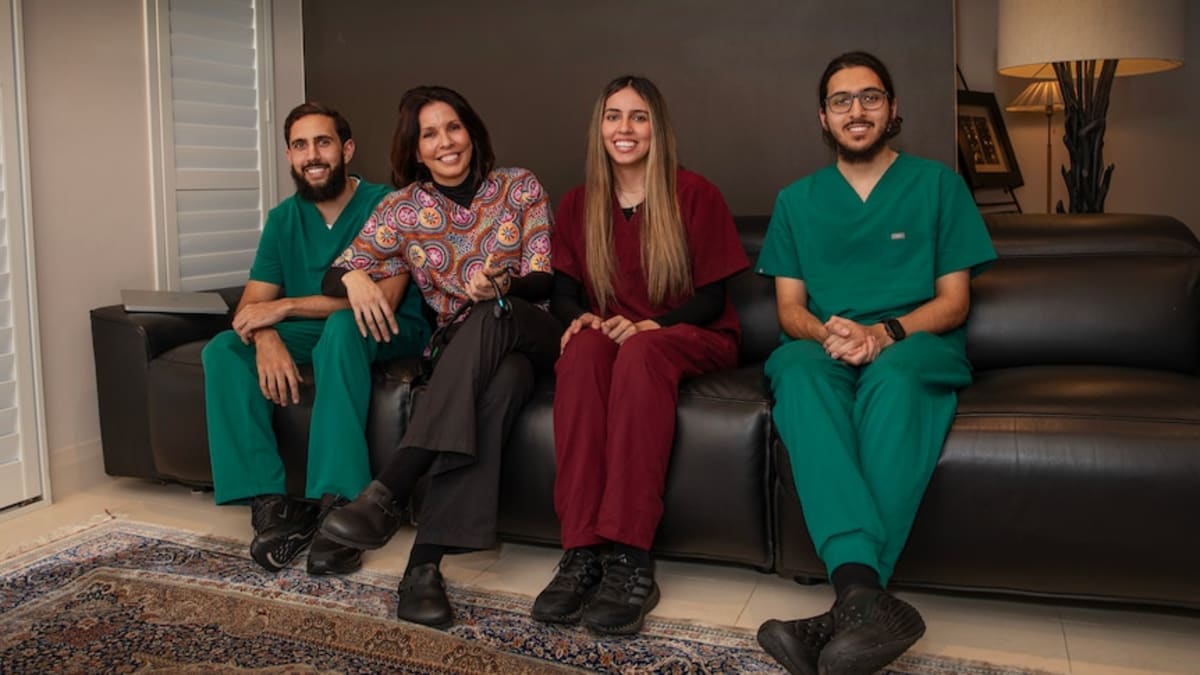
Ieesha Nasser spent her childhood memorizing skull anatomy alongside her mom, who was studying for medical exams while raising six kids. Now 18, she's starting her own five-year medical degree at Western Sydney University, following the same path her mother and two older brothers already completed.
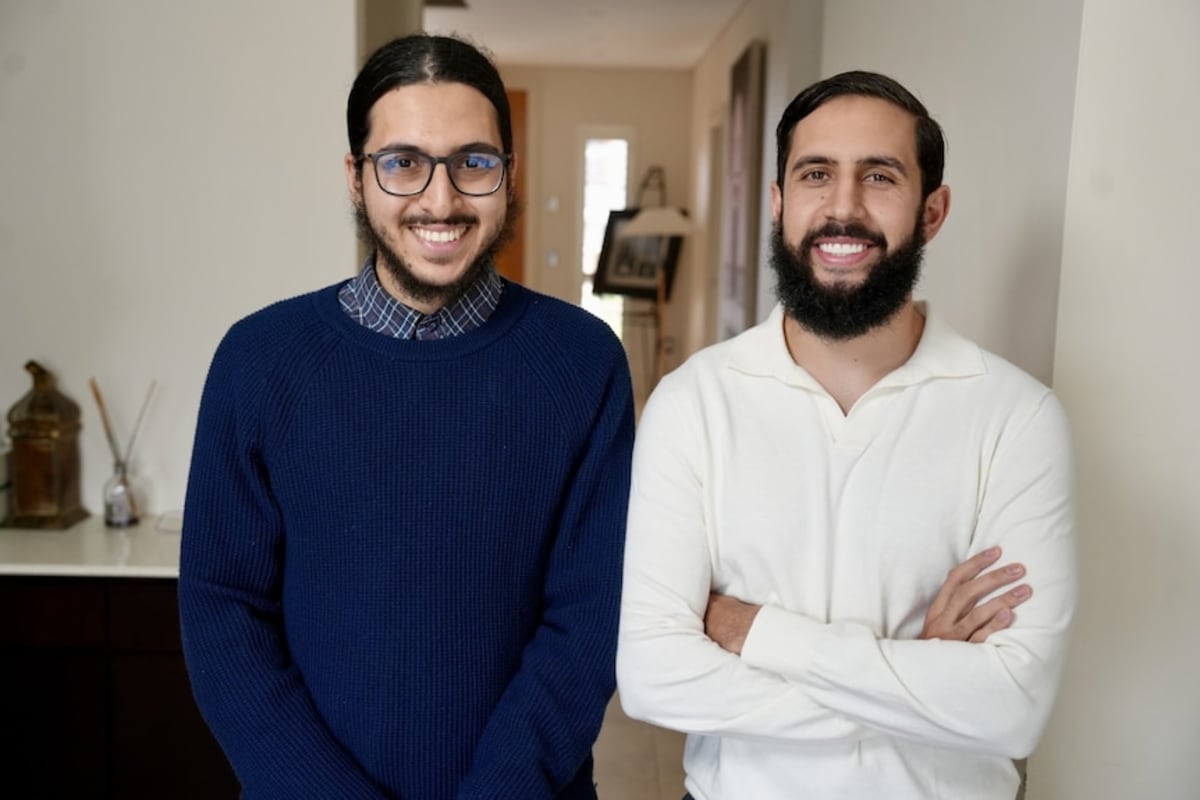
Her brothers Jamaal, 22, and Abdul, 24, graduated together last year and now work as junior doctors across multiple hospitals. Their mother, Tatum Maybir, 45, raised all six children before entering medical school herself and now practices at the Tharawal Aboriginal Medical Service in southwestern Sydney.
The family's achievement addresses a significant gap in Australian healthcare. Only 969 medical practitioners identified as First Nations as of December 2025, representing just 0.6 percent of all registered doctors in the country. Abdul notes that Indigenous doctors barely existed in the 1970s and 80s, making their presence in medicine genuinely new territory.
For Dr. Maybir, a Dharawal and Wiradjuri woman, the decision to pursue medicine came from watching family members struggle to navigate the health system without proper support. She thrives in providing holistic care that considers social and family circumstances, often treating eight members of the same family in one consultation room.
Jamaal's motivation came from watching his grandmother suffer an aneurysm. She survived, but he believes having an Indigenous doctor she could trust might have helped her get treatment sooner. He plans to specialize in surgery, noticing how few Indigenous surgeons exist in Australia.
The siblings credit the Badanami Centre, an Indigenous pathway program at Western Sydney University, for much of their success. Student success officer Kylie Bell calls it a home away from home where students become family and see what's possible for their futures.
The Ripple Effect
The family's journey creates opportunities beyond individual careers. Dr. Maybir's practice at an Aboriginal medical service allows her to provide culturally informed care based on lived experiences. Her children plan to do the same.
Ieesha wants to work in Indigenous clinics before specializing, hoping to give back to her community. Jamaal shares that goal, driven by his mother's example of service.
For Dr. Maybir, watching her children want to contribute to their community represents the ultimate success. She sees them belonging in medical spaces, owning those spaces, and believing they're meant to be there.
Their presence shows other Indigenous Australians that medicine is a field where they can thrive.
More Images


Based on reporting by ABC Australia
This story was written by BrightWire based on verified news reports.
Spread the positivity!
Share this good news with someone who needs it