Indigenous Nation and Scientists Track Wildlife Using Snow DNA
A Canadian First Nation partnered with researchers to develop a groundbreaking way to track moose, caribou, and deer without disturbing them. Snow samples proved 100% effective at detecting animal DNA.
Scientists and an Indigenous community in Quebec just cracked the code for tracking wildlife without ever touching the animals.
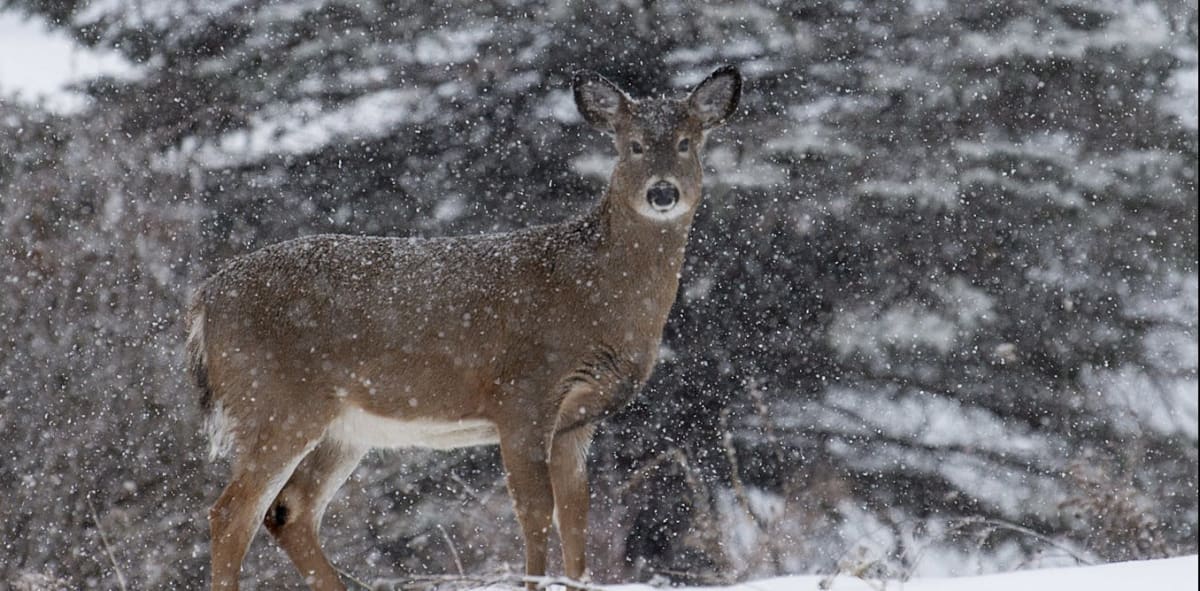
The Abitibiwinni First Nation in Pikogan partnered with researchers from the Institut national de la recherche scientifique to solve a critical problem. Climate change is pushing white-tailed deer northward into moose and caribou territory, and these deer carry diseases that threaten entire populations. But tracking these shifts using traditional methods like GPS collars and camera traps is expensive, intrusive, and often impossible in remote forests.
The answer turned out to be hiding in plain sight. Every animal leaves behind fragments of DNA in their environment through hair, saliva, skin, and waste. While this environmental DNA approach works well in water, detecting it on land has been a major scientific challenge.
The team tested four different collection methods across the boreal forest. They sampled surface snow, collected dust and scavenger flies, and tested water samples both locally and downstream. The protocols were co-developed with territorial guardians using inexpensive, accessible materials that work in remote areas.
Snow won by a landslide. Surface snow sampling detected DNA from moose, caribou, and white-tailed deer with 100% accuracy. Cold and dark conditions preserve the genetic material perfectly as animals move across the landscape. Dust and invertebrate collection also showed strong results for monitoring during snow-free seasons.
The breakthrough extends far beyond Quebec. The research team developed tools to non-invasively monitor 125 North American animal species. Nearly half of these species were selected by Indigenous partners across Canada based on their cultural, ecological, and food importance.
The Ripple Effect
This collaboration demonstrates how combining Indigenous knowledge with scientific innovation creates better outcomes for everyone. Traditional monitoring tools often miss rare species like wolverines, whose presence in northern Quebec has been difficult to confirm. Now communities have affordable, effective ways to track the animals that matter most to them.
The project gives governments, conservation organizations, and Indigenous Peoples the reliable, comparable data they need to protect biodiversity. Instead of abandoning the approach after disappointing initial results, the team chose to completely rethink their methods together. That persistence paid off with a solution that works in real-world conditions.
The Abitibiwinni Nation now has the tools to monitor species central to their culture and survival, all while respecting the animals they're trying to protect.
More Images
Based on reporting by Google News - Canada Breakthrough
This story was written by BrightWire based on verified news reports.
Spread the positivity!
Share this good news with someone who needs it