Indigenous Plant Knowledge Gets Scientific Name in Philippines
For generations, the Bugkalot people of the Philippines used a white-flowered plant called "kelli" to treat sick dogs. Now scientists have finally caught up, officially recognizing it as a new species that needs urgent protection.
Science just gave a formal name to a plant that Indigenous healers have known and used for generations, and the discovery reveals how much we still have to learn from traditional knowledge.
The Bugkalot people of Nueva Ecija in the Philippines have long called it "kelli." They mash its distinctive oval leaves and mix them with food to heal ailing dogs. But despite this centuries-old familiarity, botanists only recently identified it as its own unique species: Clerodendrum kelli.
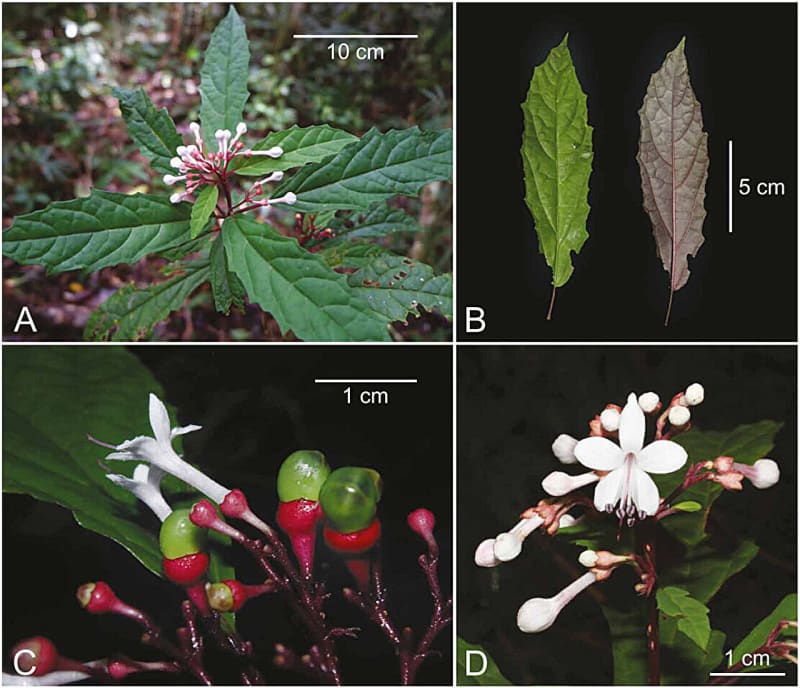
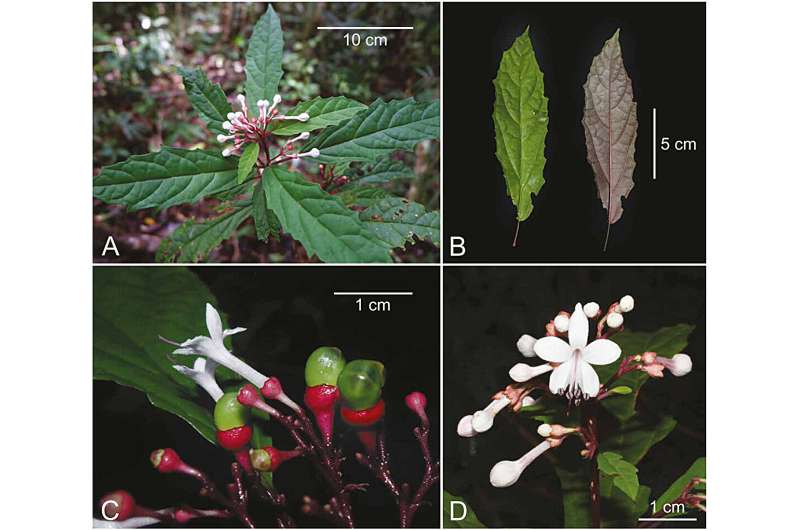
The small shrub grows just a meter tall in the humid rainforests of the Caraballo Mountain Range. Its green leaves show pale purple undersides, and delicate white flowers bloom from reddish-pink bases in loose, open clusters. The plant appears in just two remote locations within the Pantabangan-Carrangalan Watershed Forest Reserve.
Researchers found that C. kelli exists in only 8 square kilometers of forest, making it critically endangered. Habitat loss from land clearing and natural landslides threatens its survival, not the Bugkalot's careful traditional use.
The discovery happened because scientists took Indigenous knowledge seriously. By listening to the Bugkalot people and investigating the plants they've stewarded for generations, researchers identified a species that had been hiding in plain sight.
The Ripple Effect
This breakthrough shows how Indigenous communities are often the best guardians and observers of biodiversity. The Bugkalot knew kelli's properties, habitat, and uses long before any scientist arrived with a field guide.
The study, published in Gardens' Bulletin Singapore, bridges traditional and formal understanding of the natural world. It proves that protecting biodiversity means protecting Indigenous knowledge and the people who hold it.
Now that C. kelli has scientific recognition, researchers hope it will receive stronger conservation protections. The formal classification gives the species legal standing that could help preserve both the plant and its forest home.
The work also opens doors for more collaboration between Indigenous communities and scientists. How many other species are waiting to be "discovered" by science while thriving in the care of people who've known them all along?
This story isn't just about finding a new plant—it's about recognizing that the best science happens when we honor the wisdom that was already there.
More Images


Based on reporting by Phys.org
This story was written by BrightWire based on verified news reports.
Spread the positivity!
Share this good news with someone who needs it