Indigenous Rangers Help Scientists Unlock Reef Secrets
In Australia's Kimberley region, Bardi Jawi rangers teamed up with marine scientists to study how fish move between reefs and mangroves. The collaboration proves that traditional Indigenous knowledge and modern science make each other stronger.
For thousands of years, the Bardi Jawi people have known their ocean like family, watching fish swim between coral reefs and mangrove forests with the changing tides. Now, a groundbreaking partnership with Australian marine scientists has turned that ancient wisdom into published research that's helping protect these ecosystems for everyone.
The Bardi Jawi are Saltwater People from northwestern Australia's Kimberley region, where red earth meets blue ocean and green mangroves. For the past decade, their rangers and elders have worked alongside researchers from the Australian Institute of Marine Science to study the fish that feed their communities.
"First Nations peoples are the first scientists of the world," says Katherine Cure, the lead researcher. "They've done observation and experimentation for thousands of years."
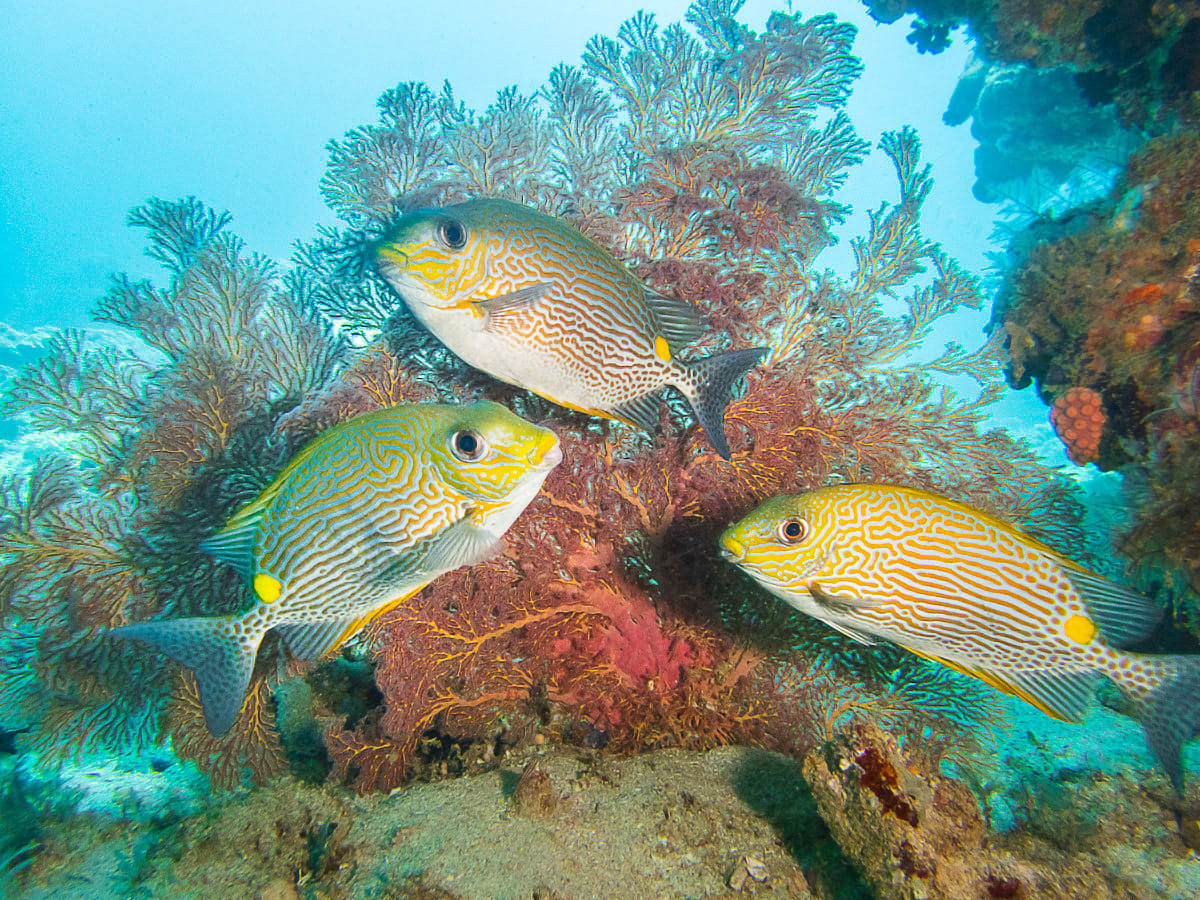
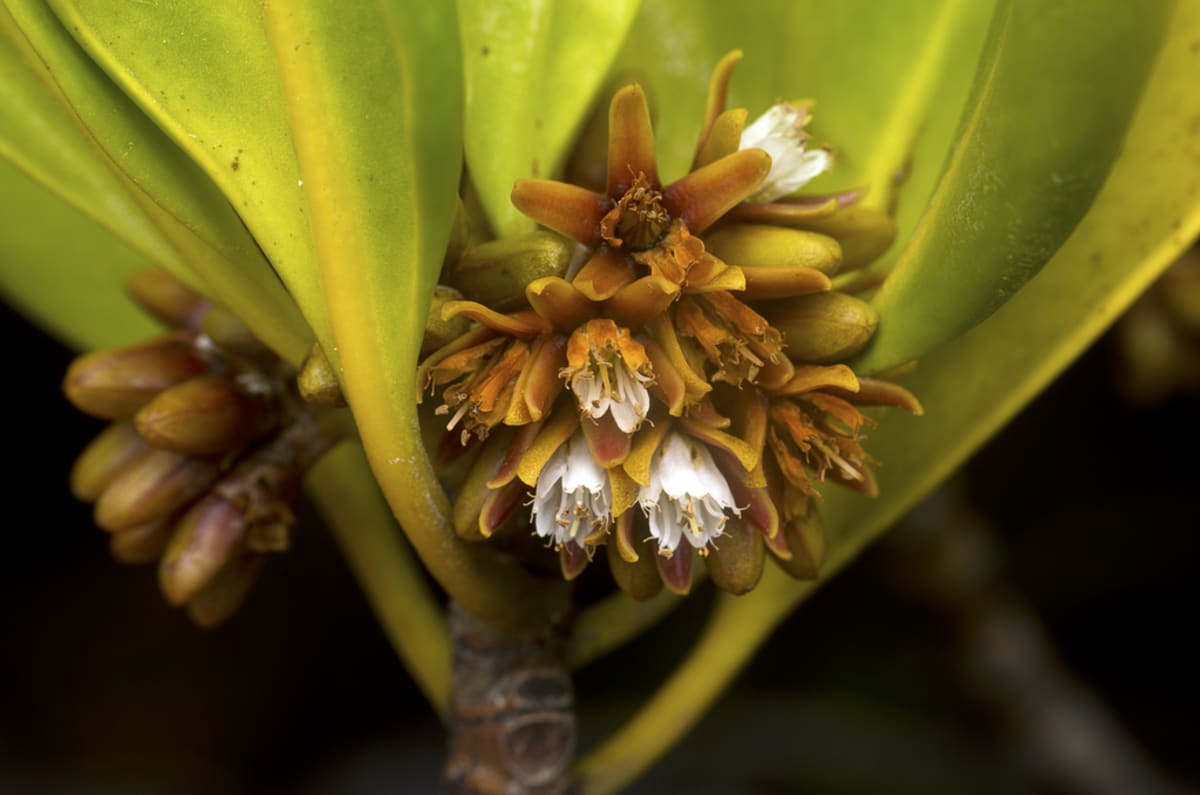
The team discovered that ten culturally important fish species move between reefs and mangroves throughout their entire lives, not just as juveniles. Species like the bluebone use both ecosystems equally, taking advantage of the Kimberley's powerful tides to travel back and forth. Some fish even use mangroves as safe refuges when reefs face threats.
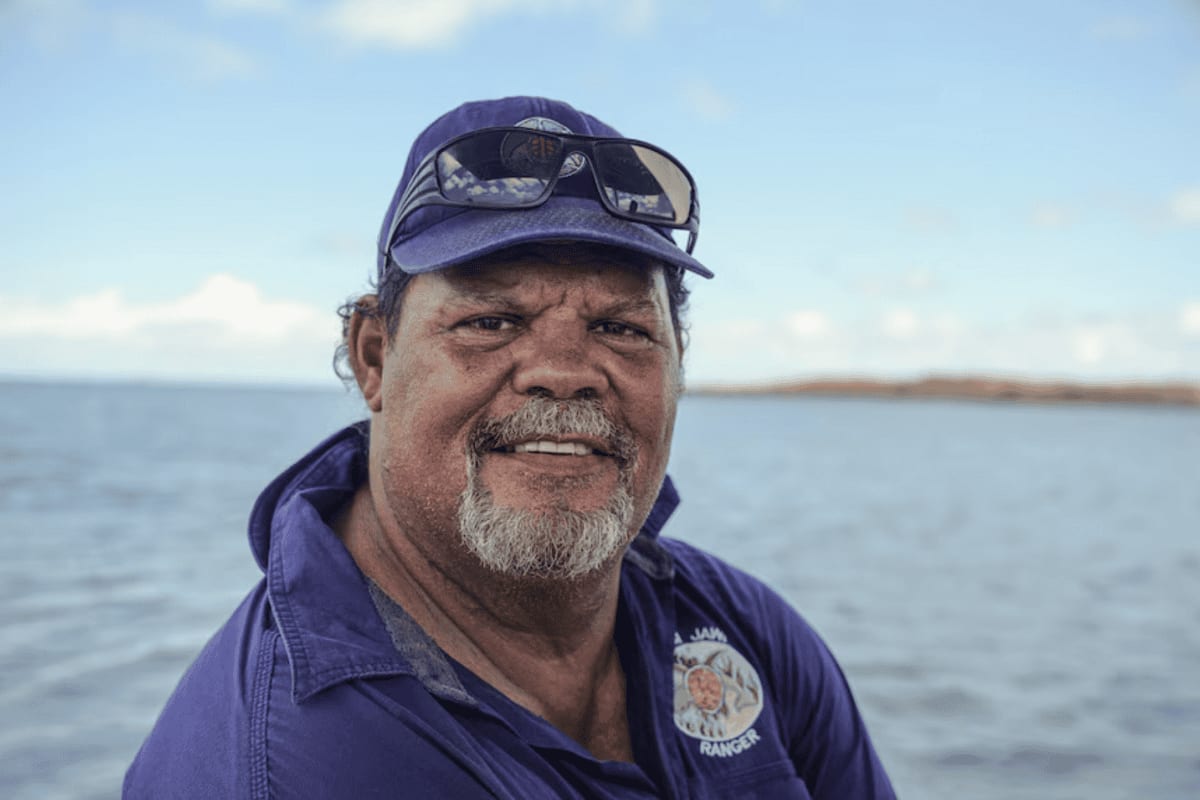
Phillip "Bibido" McCarthy, the 59-year-old coordinator of the Bardi Jawi men's ranger program, wasn't surprised by the findings. "We knew most of it," he says. "But the science confirmed it. They told us, 'You were right.'"
The Ripple Effect
This research is bigger than one study. The findings helped design two massive protected areas: the 235,000-acre Bardi Jawi Indigenous Protected Area and the 504,000-acre Bardi Jawi Gaarra Marine Park, which came into full effect in 2024.
The partnership model itself is spreading hope through scientific communities worldwide. Instead of researchers simply extracting information from Indigenous communities, this collaboration placed Bardi Jawi rangers and traditional owners as co-authors on the published paper. Their questions guided the research from the beginning.
The work also taught the rangers something new: how climate change threatening either reefs or mangroves could wipe out species that depend on both. That knowledge now shapes how they manage and protect their traditional fishing grounds.
What started as scientists seeking Indigenous guidance has evolved into true partnership. The Bardi Jawi lead the research direction based on their community's needs, while scientists provide tools to measure ecosystem health and predict future changes.
When ancient knowledge meets modern science, both become more powerful than either could be alone.
More Images

Based on reporting by Mongabay
This story was written by BrightWire based on verified news reports.
Spread the positivity!
Share this good news with someone who needs it