Indigenous Women Lead 20-Day Protest to Protect Amazon River
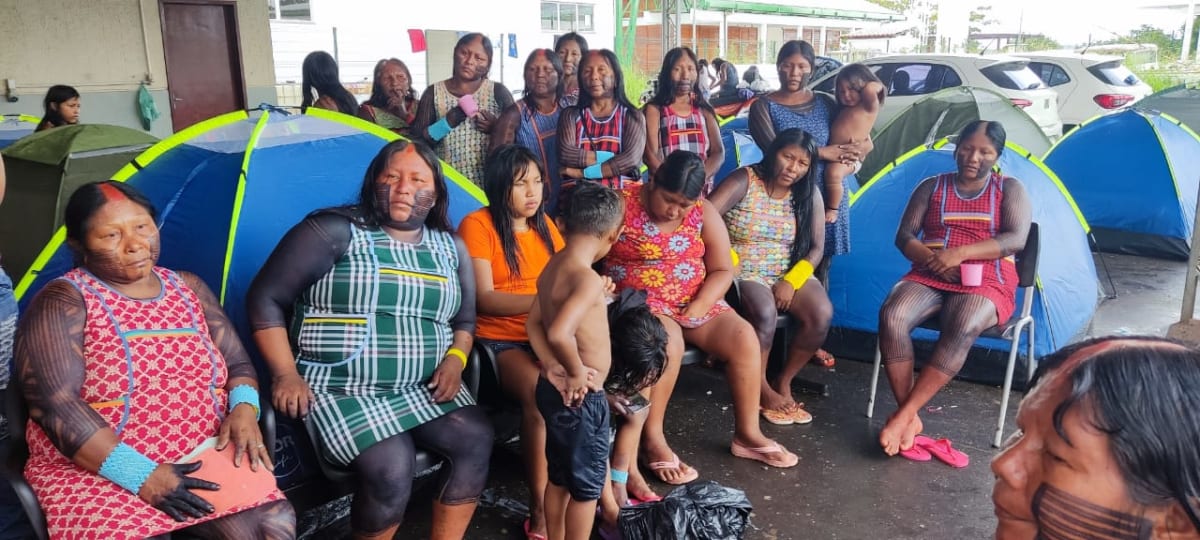
Over 120 Indigenous protesters have occupied a Brazilian government building for more than 20 days to stop a massive gold mine that threatens their sacred river. Led by Indigenous women, they're fighting to protect the Xingu River for future generations.
More than 120 Indigenous protesters have been camping inside a federal building in Brazil's Amazon since late February, refusing to leave until authorities block a Canadian mining company from opening one of the country's largest gold mines. Their fight centers on protecting the Xingu River, a lifeline already damaged by a major hydroelectric dam.
The protest began after a court ruling on February 13 allowed Canadian company Belo Sun to move forward with its Volta Grande gold mining project. Indigenous women are leading the occupation at Brazil's Indigenous affairs agency office in Altamira, Pará state.
"What drives us is not letting them destroy our river," Sol Juruna, one of the occupation leaders, said in a statement. "We know that if Belo Sun goes ahead, it will finish destroying our Xingu River."
The protesters say their government agency isn't representing their interests and approved the project without proper consent from affected communities. In December, ten Indigenous associations formally canceled negotiations with the mining company.
Why This Inspires
Indigenous communities are already dealing with serious environmental damage from the Belo Monte dam, which diverted much of the river's natural flow starting in 2016. Fish can't migrate properly, water levels drop rapidly, and navigation has become difficult.
Despite these challenges, the Indigenous women's movement isn't giving up. They briefly blocked access to the local airport on March 16 to draw attention to their cause. Their message is clear: they're protecting the river not just for themselves, but for their children, grandchildren, and great grandchildren.
The legal battle has lasted 14 years, with the mining license suspended since 2017 until this recent ruling. Brazil's Federal Public Prosecutor's Office immediately appealed the decision, citing inadequate consultation with Indigenous peoples.
"The dozens of women and men who have remained camped in struggle for their rights are not doing so for leisure, but because they understand the danger that the mining venture represents," the Middle Xingu Indigenous Women's Movement wrote.
These mothers, grandmothers, and community leaders are showing the world what dedication to protecting sacred lands looks like.
More Images


Based on reporting by Mongabay
This story was written by BrightWire based on verified news reports.
Spread the positivity!
Share this good news with someone who needs it