Indigenous Women Lead Climate Solutions in Kenya, Ecuador
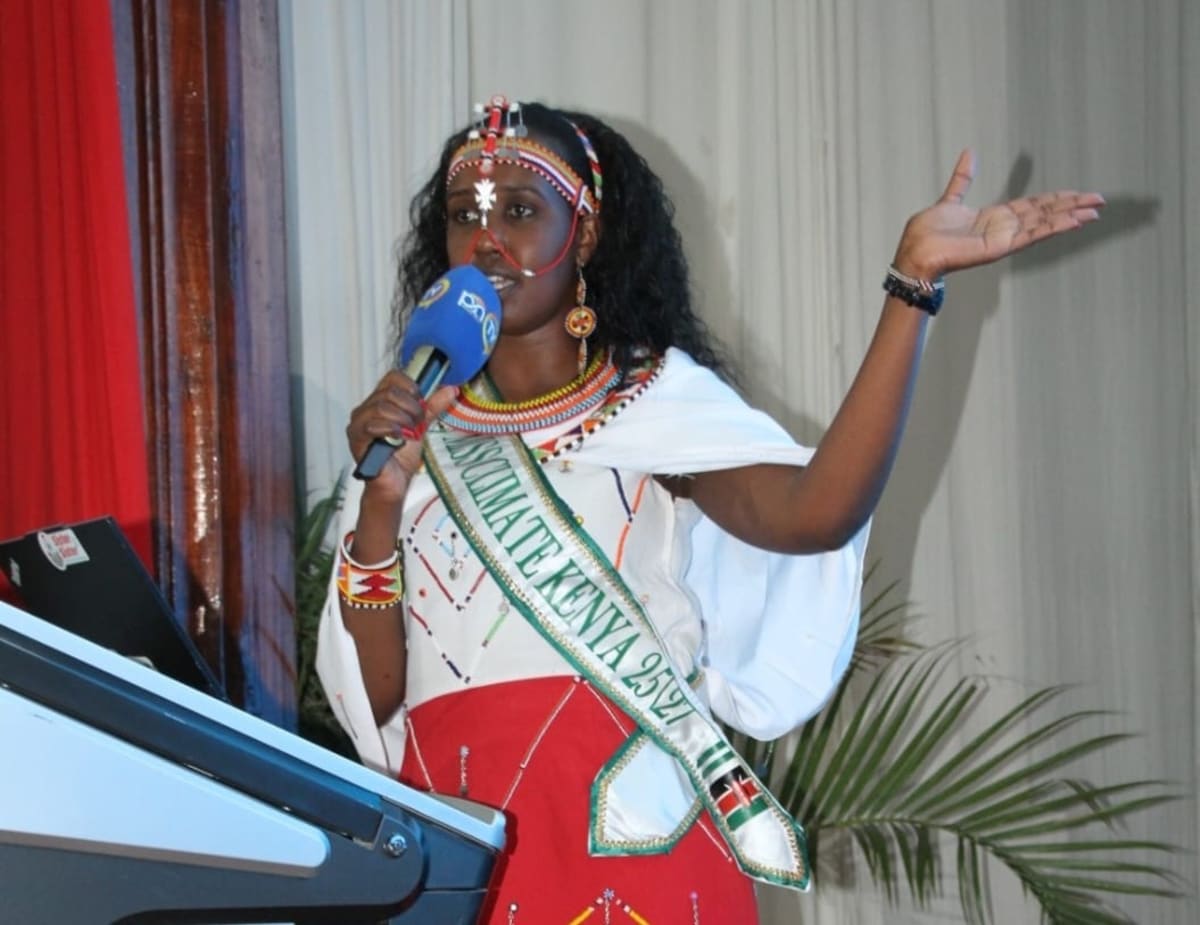
Three young Indigenous women are proving that communities most affected by climate change already have the answers. They just need support to implement them.
When Hillary Semeyan Lenantoiye was growing up in northern Kenya's Samburu County, the rain stopped coming. The river dried up, livestock died, and women walked longer distances every day just to find water and firewood for their families.
But Lenantoiye noticed something frustrating. Indigenous communities like hers were constantly studied and talked about in climate programs, yet never invited to share their own solutions or access resources to make them happen.
So she founded the Inclusive Culture Action Network, a Samburu-led climate organization that centers women, youth, and traditional Indigenous knowledge. Her message is simple: Indigenous communities already have the solutions. They just need to be trusted, empowered, and included.
In 2025, Lenantoiye joined the Nobel Women's Initiative's Sister-to-Sister Young Feminist Leadership Program. The program connects young feminist leaders focused on peacebuilding, human rights, and climate justice from around the world.
There she met Karen Bailón from Ecuador and Daniela Alba, an Indigenous activist from Colombia. Despite coming from different backgrounds, all three share the same mission: empowering women, youth, and Indigenous peoples in climate action.
Bailón discovered climate activism through feminism after watching her single mother navigate challenges in Ecuador's Manabí Province. She saw how Indigenous environmental defenders like Alicia Cahuiya protected both nature and people, leading resistance against oil exploration in Yasuní, one of Earth's most biodiverse regions.
When Bailón attended COP16 as a delegate in 2024, she realized young people were still excluded from decision-making spaces. Now she works with GreenCheck, a youth-led nonprofit that redirects resources to community-led climate initiatives across the Global South, connecting with over 200 young people leading solutions.
For Alba, whose Muisca grandmother taught her that humans belong to the Earth rather than the other way around, climate justice is deeply personal. As an Indigenous woman and survivor of violence and forced displacement, she understands that protecting the planet means protecting the most vulnerable people.
The Ripple Effect
What international politics calls "climate solutions" already exists in Indigenous and local communities worldwide. These three young women are building bridges so those solutions get the recognition and resources they deserve.
Through programs like Sister-to-Sister, they're creating networks of support and solidarity that amplify voices too often ignored in global climate conversations. Their work proves that the people closest to the crisis are best positioned to lead the response.
The path forward isn't about inventing new answers but listening to the wisdom that's been there all along.
Based on reporting by Google News - Climate Solution
This story was written by BrightWire based on verified news reports.
Spread the positivity!
Share this good news with someone who needs it


