Indigenous Youth Rally Against Mining in Sacred Ontario Lands
Young Indigenous leaders are taking their fight to the UN, defending sacred Canadian wetlands from mining projects approved without their consent. Their movement shows how the next generation is combining traditional rights with modern activism.
When the Canadian government approved nickel mining on Ontario's Breathing Lands without consulting the 49 First Nations communities who call it home, young Indigenous leaders decided enough was enough.
Kohen Mattinas from Lac Seul First Nation helped launch Okiniwak in 2025, a youth organization fighting to protect the vast wetland ecosystem in northern Ontario. The Breathing Lands aren't just sacred territory. They're a massive carbon sink and biodiversity hub that stores enormous amounts of planet-warming emissions.
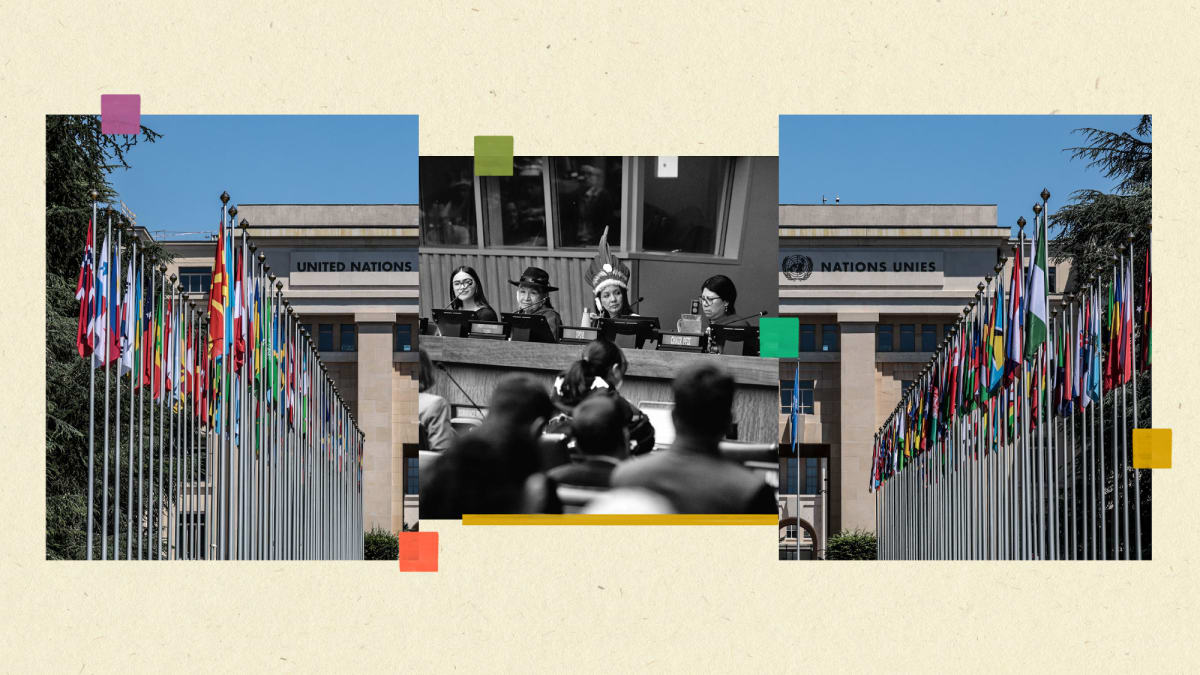
This week, Mattinas joins hundreds of Indigenous delegates in Geneva at the UN's 19th annual gathering on Indigenous rights. Their mission is clear: demand that countries follow international standards requiring Indigenous peoples be consulted before projects impact their lands.
The fight extends far beyond Canada. Indigenous communities worldwide face overlapping threats from climate change, resource extraction, and violence while defending their territories. In the Pacific, leaders from New Caledonia recently won a major legal victory when the International Court of Justice ruled that countries must be held accountable for climate damage.
"It's important for us in the process of decolonization because it's to respect the self-determination and what we want for our future," said Viro Xulue, a Kanak advisor representing his people's traditional governance council.
The Ripple Effect
What makes this movement particularly hopeful is how young Indigenous activists are combining traditional land stewardship with modern advocacy tools. Okiniwak organizes rallies in Indigenous communities and at legislative buildings while simultaneously taking their case to international forums.
Their approach is working. The UN gathering brings together Indigenous leaders, governments, and experts to develop recommendations and data that shape international standards. These standards give communities legal backing when defending their rights.
The week's discussions will cover inadequate disaster relief, artificial intelligence impacts, and resource extraction. For Mattinas and fellow young activists, speaking at international forums amplifies voices that governments have historically ignored.
Nearly 20 years after the UN Declaration on the Rights of Indigenous Peoples was adopted, these youth leaders are ensuring its promises become reality.
More Images


Based on reporting by Grist
This story was written by BrightWire based on verified news reports.
Spread the positivity!
Share this good news with someone who needs it