IndiQube's Green Power Bet Pays Off With 145% Profit Jump
An Indian workspace company built its own solar plants instead of just leasing office space. The unusual move helped it land major clients and post record profits while making buildings greener.
Most flexible workspace companies compete on price and fancy interiors, but IndiQube decided to build solar power plants instead.
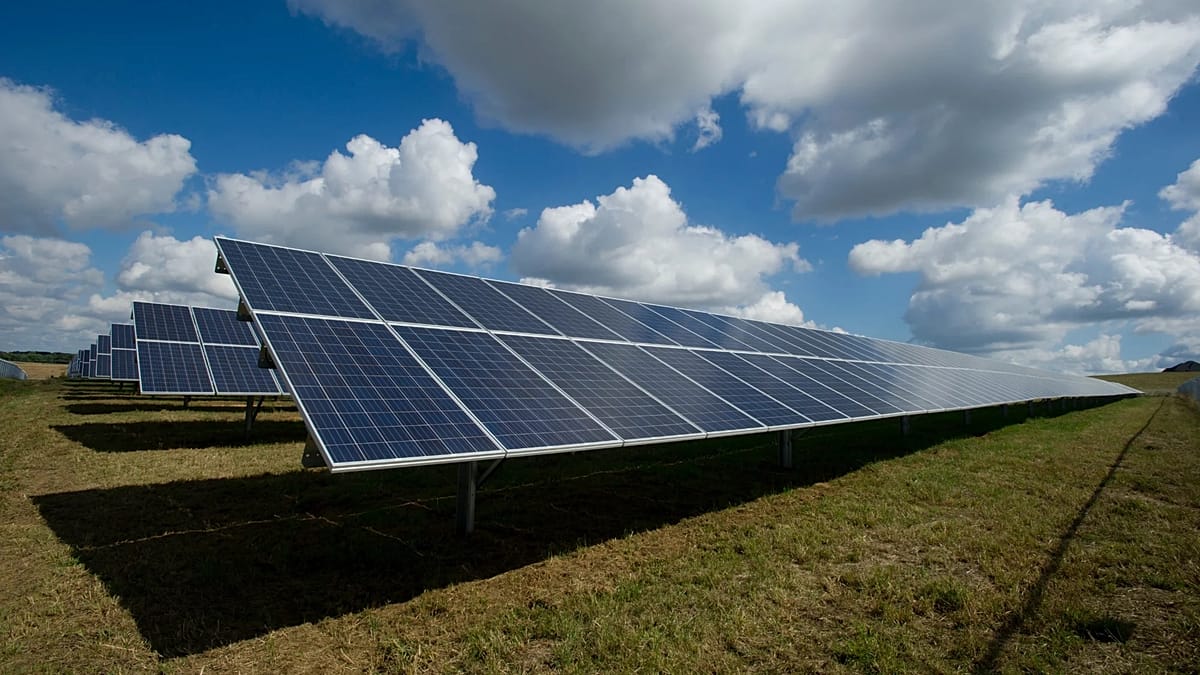
The Bengaluru-based company now operates a 20-megawatt solar plant in Karnataka that powers most of its centers in the city. Two more plants are running in Maharashtra and Tamil Nadu, giving IndiQube something most competitors can't offer: workspaces that run on traceable green energy across India.
The gamble worked. For the year ending March 2026, IndiQube posted revenue of Rs 1,469 crore (about $175 million), up 37% from last year. Profits jumped 145% to Rs 125 crore.
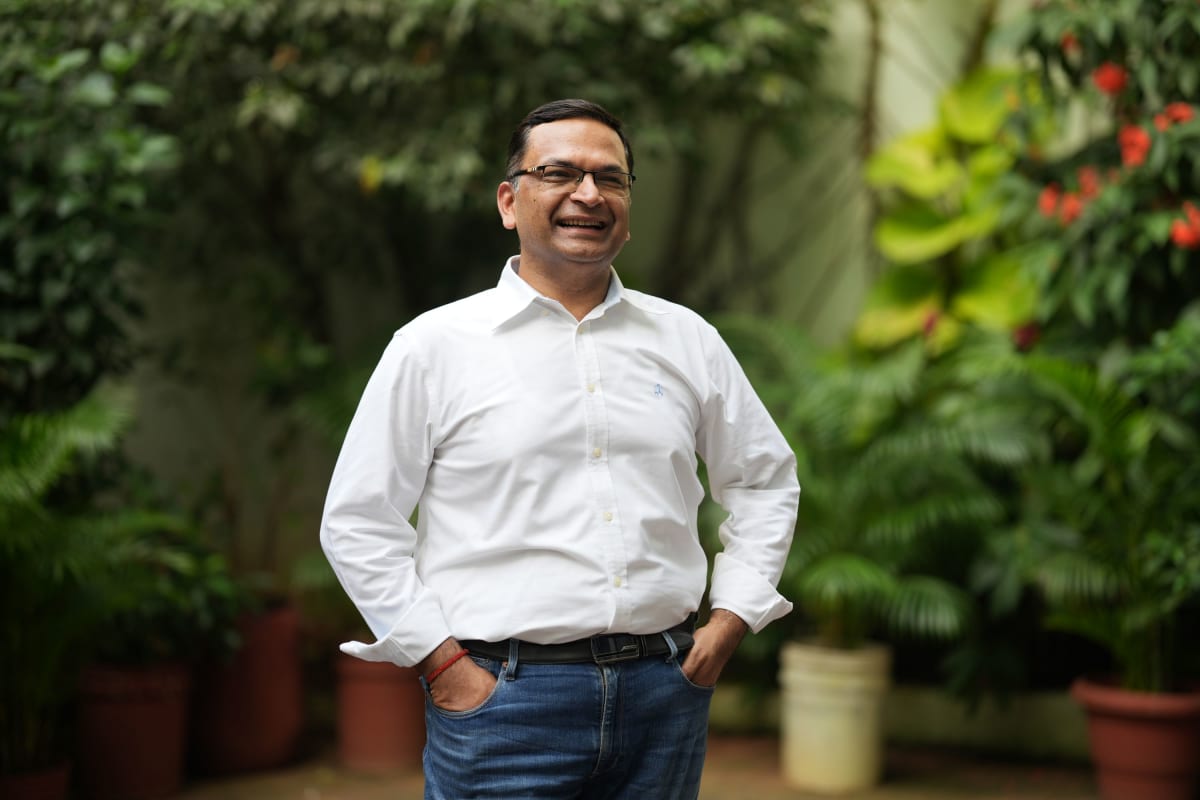
CEO Rishi Das says the green infrastructure opened doors that were previously closed. "A lot of customers have ESG mandates now, and they want their entire facilities to run on green power," he explains.
The proof came in the contracts. A Japanese ecommerce giant signed a Rs 52 crore deal for space in Bengaluru. A healthcare technology company committed Rs 75 crore for 48,000 square feet. Data center operators started asking if they could locate inside IndiQube buildings specifically because of the green power access.
Over a third of IndiQube's 9.66 million square feet now carries green certification across 37 centers. The company added 28,000 seats this year while maintaining 88% occupancy.
The green strategy also changed which buildings IndiQube takes on. On Bengaluru's MG Road stands a structure built in 1975 that had lost relevance as tech companies moved to newer suburbs. IndiQube retrofitted the entire building, added 300 parking spaces where none existed, upgraded it to green building status, and renamed it IndiQube Symphony.
One of the world's largest asset management firms then signed for roughly 150,000 square feet. "Getting a marquee global enterprise to commit to a 50-year-old asset was a very different ball game," Das says.
The Ripple Effect
IndiQube's approach shows how sustainability can be profitable rather than just expensive. Retrofitting old buildings instead of constructing new ones reduces carbon emissions while reclaiming urban centers that had been abandoned for suburbs.
The model is attracting new types of tenants too. EV charging operators want locations with green power. European, Japanese, and Korean companies opening India offices arrive with sustainability requirements already built into their search criteria.
Das expects green energy services to grow from 15% of revenue today to 20% within two years. After its IPO, the company reduced debt dramatically and now holds Rs 95 crore in net cash, giving it resources to keep building solar capacity while other operators focus only on leasing space.
In five years, Das wants IndiQube managing workspaces far beyond its own buildings, becoming what he calls "a torchbearer on sustainability" for Indian commercial real estate.
A company proved that solar panels and profit growth can rise together.
More Images




Based on reporting by YourStory India
This story was written by BrightWire based on verified news reports.
Spread the positivity!
Share this good news with someone who needs it