Indonesia Bans Elephant Rides Nationwide for Animal Welfare
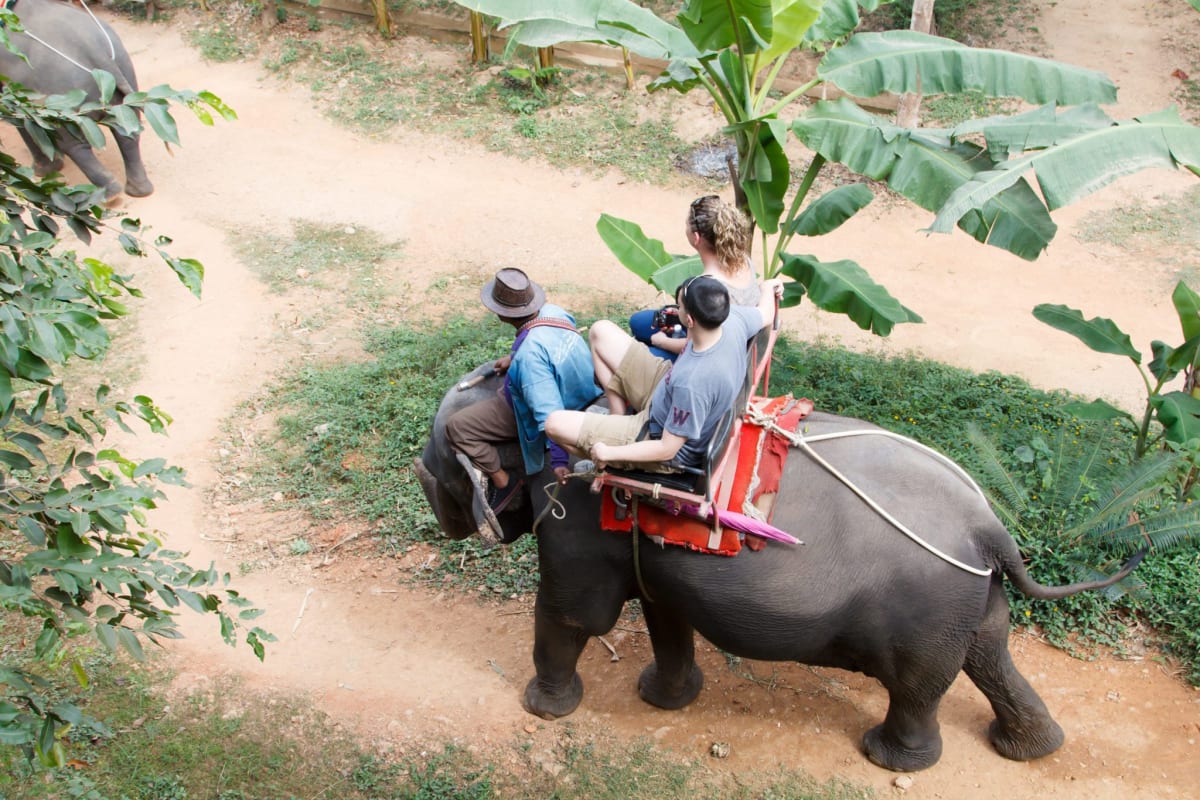
Indonesia just became the first Southeast Asian nation to ban elephant rides at all zoos and conservation centers, ending a practice that caused physical and psychological harm to these intelligent animals. The landmark decision affects facilities nationwide and signals a major shift toward ethical wildlife tourism.
Elephants across Indonesia no longer have to carry tourists on their backs. The country's Ministry of Forestry officially banned elephant rides at every zoo and conservation center, marking a historic victory for animal welfare advocates who campaigned for years to end the practice.
The decision affects facilities nationwide, including Bali's Mason Elephant Park, which stopped offering rides in January after receiving multiple warnings. Parks that refuse to comply risk losing their operating permits entirely.
For the elephants themselves, the change means relief from a practice that animal welfare experts say caused chronic pain and trauma. Elephants aren't built to carry heavy loads on their backs, and the repetitive strain from riders leads to open wounds, vertebral damage, and muscle degeneration.
"We congratulate the Indonesian Government on taking this world-leading step to safeguarding the dignity of wild animals," said Suzanne Milthorpe from World Animal Protection. The organization worked for years alongside other groups to make this moment happen.
The ban comes at a time when scientists continue discovering just how complex elephants really are. Research shows they use tools, possess more cognitive processing power than any primate, and even invent individualized names for one another.
Despite this intelligence, captive elephants in tourism often endure harsh training methods designed to make them compliant around humans. The process restricts their natural behaviors and creates long-term psychological damage.
The Ripple Effect
Indonesia's decision is already influencing the broader tourism industry across Southeast Asia. As travelers become more aware of animal welfare issues, they're seeking observation-based experiences where they can watch elephants behaving naturally instead of riding them.
Facilities are responding to the shift. Mason Elephant Park is now transitioning toward ethical tourism models that allow visitors to enjoy elephants without direct exploitation or physical contact.
The change also creates economic incentives for other countries to follow suit. By tying compliance to operating permits, Indonesia showed that protecting animal welfare doesn't mean ending wildlife tourism—it means evolving it into something better.
Chris Lewis from the conservation charity Born Free emphasized that this represents growing global awareness. "Indonesia's decision reflects that animal welfare matters, with many tourists seeking to engage in ethical wildlife tourism," he wrote.
The success of the ban will depend on strong enforcement and clear oversight. But for now, advocates are celebrating a milestone that seemed impossible just a few years ago.
For elephants—highly social, emotionally complex animals that roam vast distances in the wild—the end of rides represents a step toward dignity and a more respectful relationship between humans and the natural world.
Based on reporting by Optimist Daily
This story was written by BrightWire based on verified news reports.
Spread the positivity!
Share this good news with someone who needs it