Indonesia Lifts Millions From Poverty With Digital Tools
Indonesia is using digital ID cards, mobile payments, and data systems to help 170 million people access financial services and government aid. The tech-forward approach is reducing poverty while giving rural farmers fairer pay and better opportunities.
Imagine needing to travel hours just to prove who you are or access basic government services. For millions of Indonesians, that barrier is disappearing thanks to a digital revolution that's putting opportunity directly into people's hands.
Indonesia introduced electronic identity cards in 2011, and today 170 million residents carry this digital key to services once out of reach. The e-KTP system connects to birth certificates, family records, and official documents, making it simple for citizens to access healthcare, financial aid, and other government programs without the paperwork nightmare.
The impact goes far beyond convenience. By reducing administrative errors and fraud, more support actually reaches vulnerable families who need it most. The World Bank is now expanding this system to 12 additional provinces, bringing even more underserved communities into the digital fold.
Digital payment systems are opening doors for people who never had access to traditional banks. Today, nearly 89% of Indonesians can use formal financial services like digital wallets, savings accounts, and loans. The government aims to push that number to 93% by 2029.
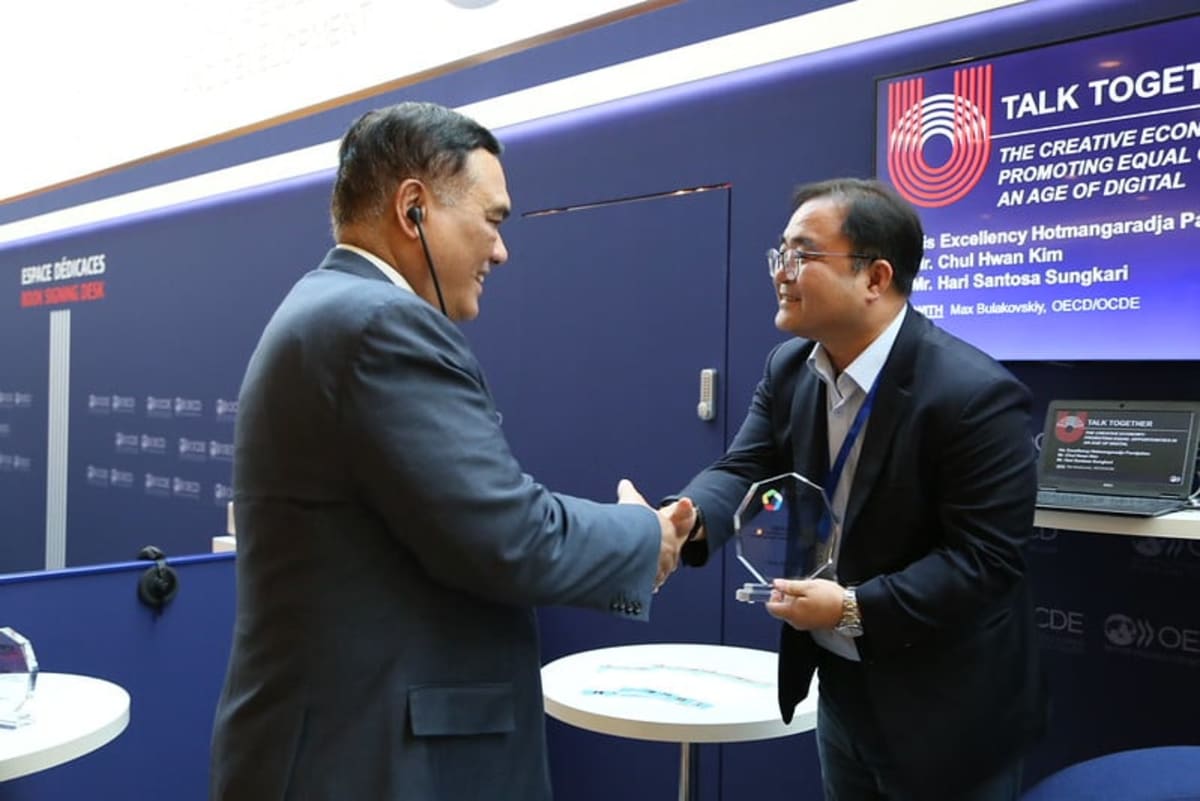
Rural farmers are seeing real benefits from this shift. Hengky Kohan, a data and artificial intelligence consultant, explains how farmers in digital supply chains can now prove their production records. This verification helps them get paid more fairly, qualify for certification bonuses, and access loans they couldn't get before.
The poverty connection runs deeper than just access. Better digital reporting systems help the government recover lost tax revenue and reduce corruption. Every dollar saved from revenue leakage becomes a dollar available for schools, hospitals, and social assistance programs.
Indonesia still has work to do, with 8.57% of its population living in poverty. But the country is treating data as national infrastructure, not just isolated information. This approach helps policymakers make smarter decisions about where resources are needed most.
The Ripple Effect
When a farmer gets paid fairly through a traceable digital system, that income ripples through entire villages. Families can afford better nutrition and education. Small businesses grow because customers have money to spend. Communities become less dependent on aid because people have tools to build their own prosperity.
Digital governance isn't just making government more efficient. It's creating transparency that helps citizens trust their institutions and participate more fully in their economy. For rural producers who once felt invisible, being part of a digital supply chain means finally being seen and valued.
The transformation shows how technology can be a bridge rather than a barrier. By focusing on inclusion rather than just innovation, Indonesia is proving that digital tools can serve everyone, not just the already connected.
Digital inclusion is becoming economic inclusion, one verified identity and mobile payment at a time.
More Images
Based on reporting by Google News - Poverty Reduction
This story was written by BrightWire based on verified news reports.
Spread the positivity!
Share this good news with someone who needs it