Indonesia Pilots Smart Solution to Household Waste Burning
More than half of Indonesian households still burn their trash, releasing toxic fumes that harm health and warm the planet. New pilot projects are tackling the problem with community engagement and better waste systems instead of punishment.
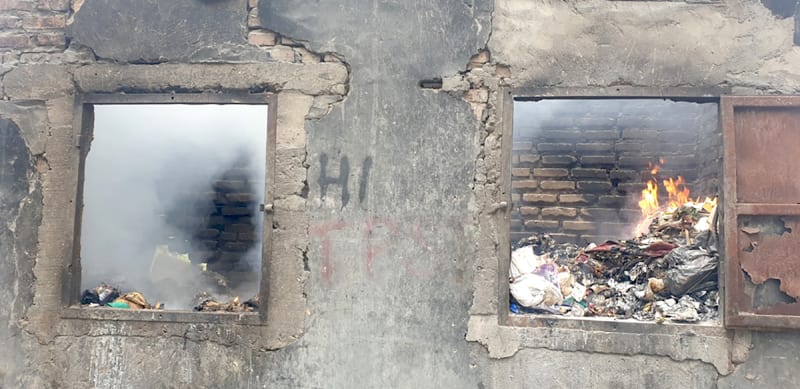
When Erwinsyah sees old mattresses and broken furniture dumped on his street in Bogor, Indonesia, he faces an impossible choice: leave them where children walk to school, or burn them himself.
As head of his neighborhood unit, Erwinsyah sometimes chooses fire. He's not alone. A 2023 national survey found that 57% of Indonesian households still burn their waste, despite a legal ban, making it the country's most common way of handling trash.
The practice releases fine particles and black carbon deep into lungs and bloodstreams, contributing to respiratory disease, heart problems, and anemia. "Air pollution from waste burning is very serious and has been affecting public health for a long time," said Budi Haryanto, an environmental health professor at the University of Indonesia.
But there's a silver lining in the smoke. Black carbon only stays in the atmosphere for days or weeks, unlike carbon dioxide which lingers for centuries. That means stopping waste burning could deliver fast wins for both air quality and climate change.
The challenge isn't just enforcement. When waste consisted mostly of leaves and twigs, burning was seen as keeping neighborhoods tidy. "For some people, it is considered their contribution to the community," said anthropologist Sofyan Ansory.
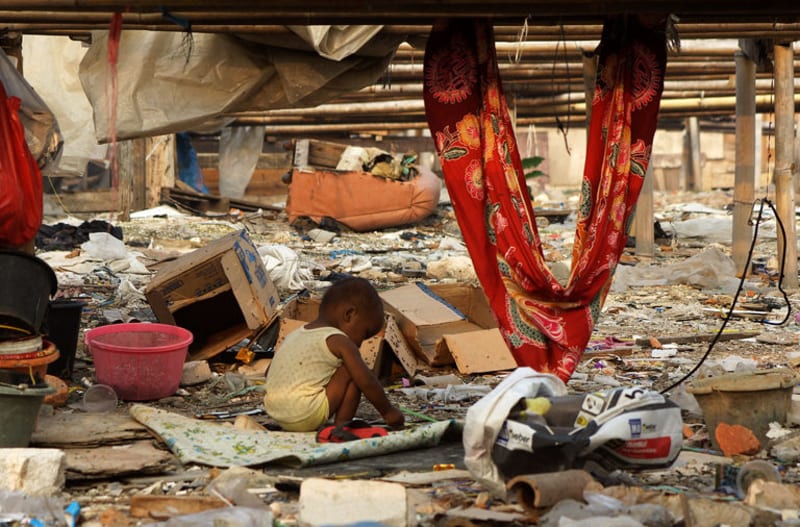
Today's trash is different. Plastics, foams, and synthetic materials now dominate household waste, producing toxic smoke that earlier generations never encountered. In many neighborhoods like Erwinsyah's, bulky items simply aren't collected, leaving residents with few options.
The Ripple Effect
Rather than installing cameras on every corner or issuing fines, Indonesian communities are testing a smarter approach. New pilot projects combine community education about health risks with improved waste collection systems and real-time pollution monitoring.
The projects recognize what drives the behavior: cultural norms, missing infrastructure, and practical constraints. By addressing root causes instead of punishing symptoms, they're creating pathways for neighborhoods to break the burning habit without leaving residents stranded with uncollected trash.
Environmental engineering lecturer Didin Agustian Permadi sees huge potential. "If we reduce super pollutants at the source through proper interventions and measurements, we can lower emissions by 2030 and achieve healthier air quality," he said.
The shift requires understanding what's happening in people's yards and minds, not just what satellites can see from space.
More Images



Based on reporting by Mongabay
This story was written by BrightWire based on verified news reports.
Spread the positivity!
Share this good news with someone who needs it