Indonesia Plants 2,000 Trees to Save Sumatran Elephants
Indonesia just launched a massive reforestation effort to restore 66,704 hectares of elephant habitat by 2028. The project will replace illegal palm oil plantations with native forest in Tesso Nilo National Park.
Indonesia is giving one of the world's most endangered animals a fighting chance by restoring the forests they desperately need to survive.
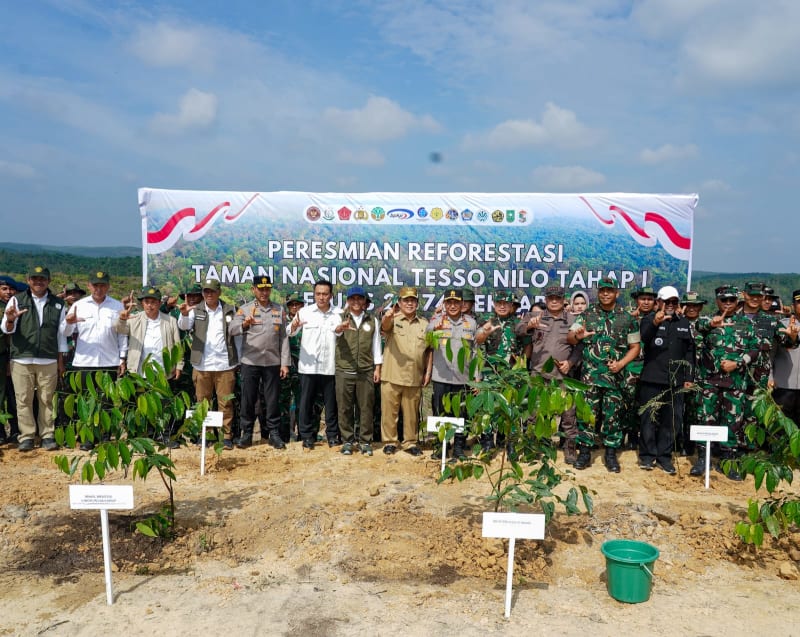
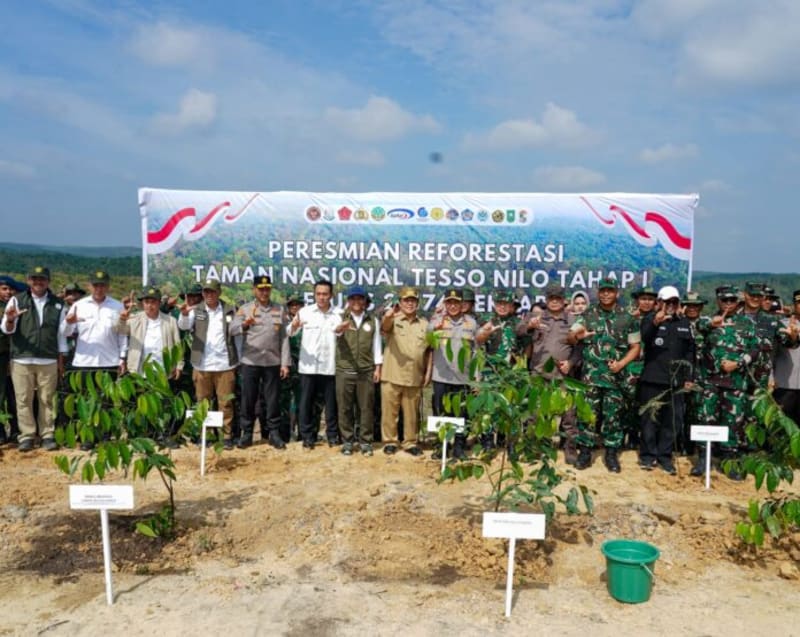
The Indonesian government launched a major reforestation program at Tesso Nilo National Park in Riau Province on March 3, planting 2,000 native tree seedlings across 400 hectares of former palm oil plantation land. This is just the beginning of an ambitious plan to restore 66,704 hectares of critical Sumatran elephant habitat by 2028.
Forestry Minister Raja Juli Antoni made it clear that time is running out. "We can no longer delay restoration efforts," he said at the launch ceremony.
The park has faced years of pressure from illegal land conversion, with palm oil plantations slowly eating away at the forest ecosystem. Now the government is taking those degraded lands back and returning them to their natural state.
Scientists and research institutions are guiding every step of the restoration to ensure success. The team carefully selected tree species that will provide food and shelter specifically for elephants and other wildlife sharing the habitat.
The first phase will restore 2,574 hectares in 2026 alone. Workers are removing illegal palm oil crops and replacing them with native forest species that support the ecosystem's delicate balance.
The Ripple Effect
This restoration goes far beyond planting trees. The government is strengthening enforcement to prevent future illegal encroachment while working with local communities to clarify land rights and find sustainable alternatives.
The project combines scientific expertise with community participation and legal protections. Minister Raja Juli emphasized that success depends on everyone working together, from government agencies to local residents who live near the park.
When the forest comes back, so does everything that depends on it. The Sumatran elephant population will gain back crucial territory they need to survive, while countless other species will benefit from restored habitat.
Future generations of Indonesians will inherit functioning forests instead of degraded land, creating lasting environmental and economic value for central Sumatra.
By 2028, nearly 67,000 hectares of forest will stand where illegal plantations once threatened one of the world's most iconic animals.
More Images



Based on reporting by Google News - Reforestation
This story was written by BrightWire based on verified news reports.
Spread the positivity!
Share this good news with someone who needs it