Indonesia Sues Logger for $214M After Deadly 2025 Floods
Indonesia's government is demanding $214 million from a logging company after floods killed 1,200 people, and the nation's largest environmental group just jumped in to make sure orangutans and tigers get protection too. It's one of the country's biggest environmental lawsuits ever.
After devastating floods killed more than 1,200 people in Indonesia last November, the government is holding polluters accountable with one of its largest environmental lawsuits in history.
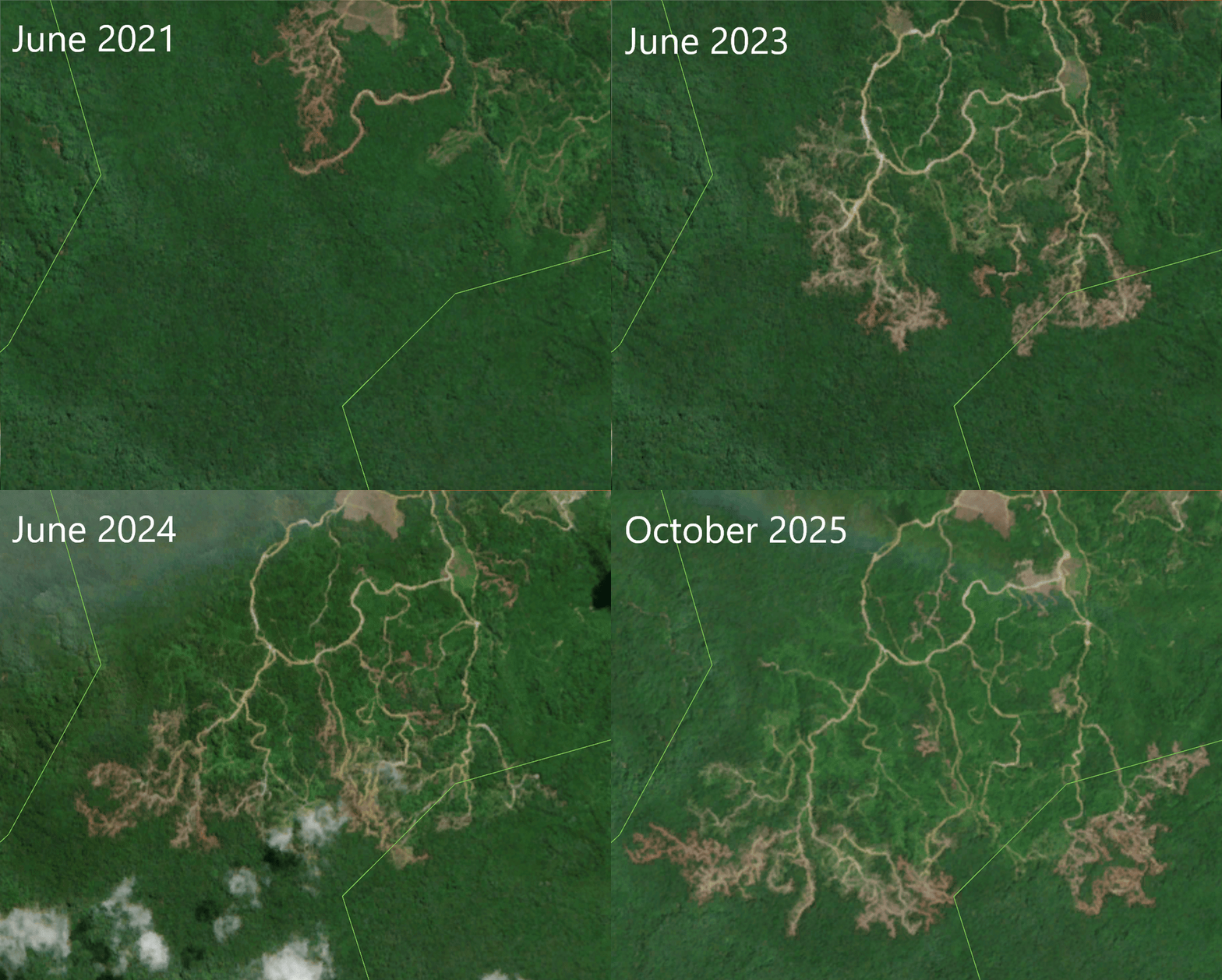
Indonesia's environment ministry filed a massive $214 million lawsuit against pulpwood company PT Toba Pulp Lestari in January 2026, blaming the firm's forest clearing for worsening the deadly floods and landslides. The government also revoked the company's logging permit along with 27 other companies.
Now Walhi, Indonesia's oldest and largest environmental group, has formally joined the case with an important mission: making sure endangered orangutans and tigers don't get left out of the recovery plan.
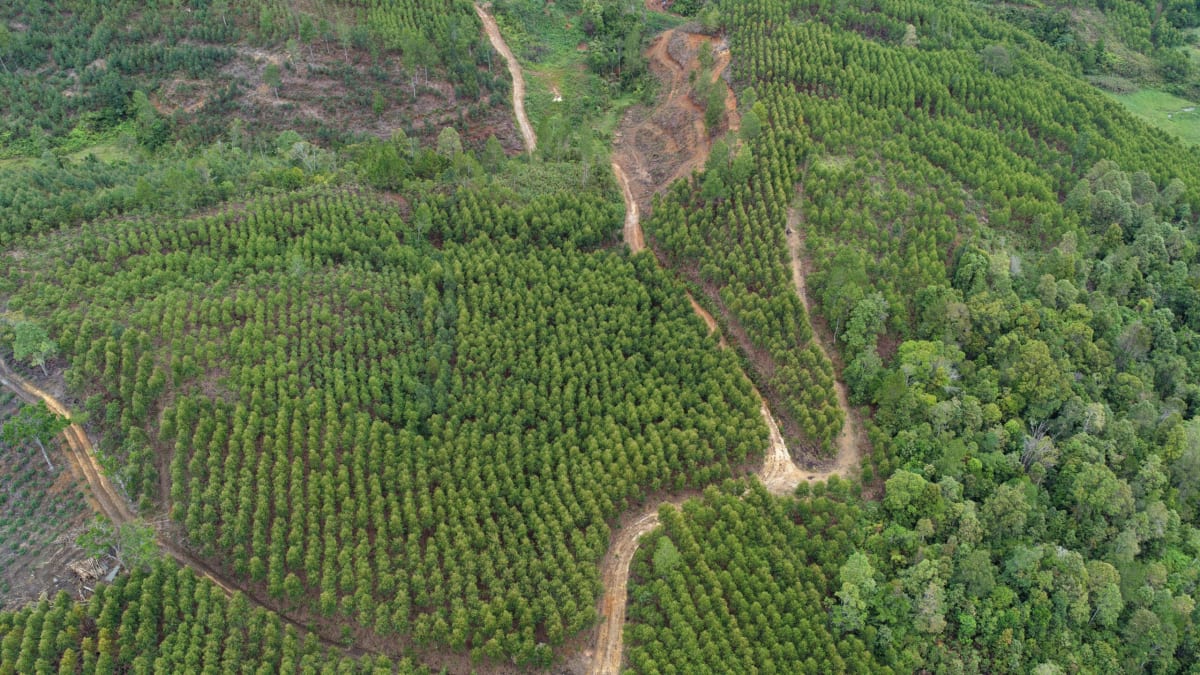
The ministry's original lawsuit focuses on restoring 3,117 acres of stripped land through better drainage systems, soil treatment, and replanting trees. The company would have three years to complete the restoration work under court supervision.
But Walhi argues the damage goes much deeper. The group identified an additional 3,971 acres of exposed land that sat bare for 10 months before the November disaster, estimating it would cost another $7.8 million to restore.
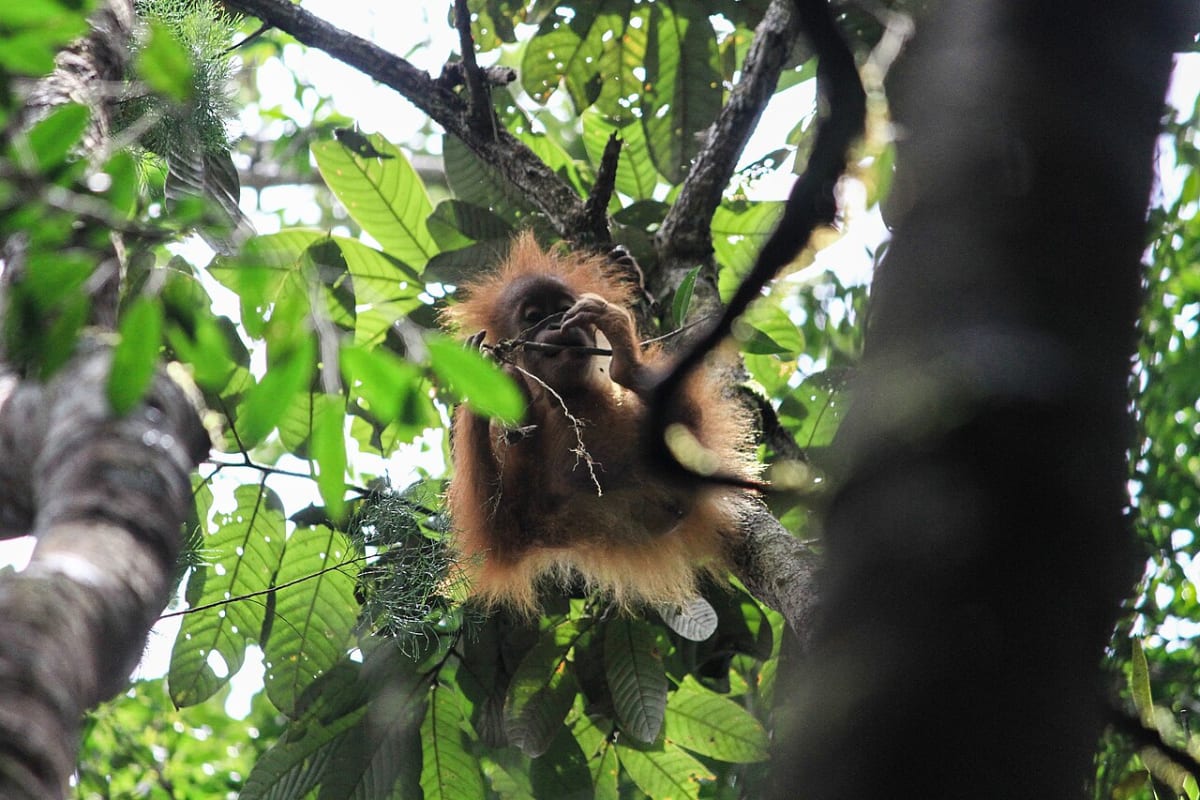
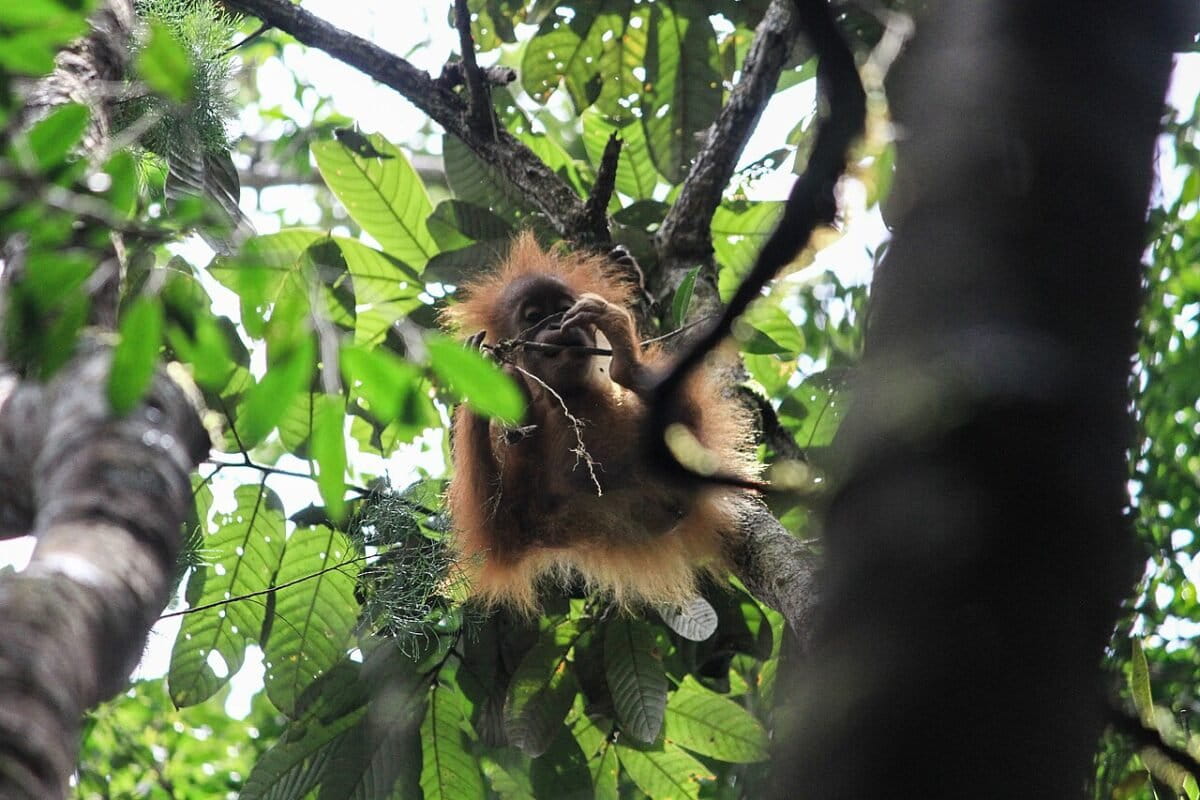
More importantly, Walhi says the lawsuit overlooks something critical: the homes of critically endangered Tapanuli orangutans and Sumatran tigers. Both species lost vital habitat to the logging operations, and Walhi wants court-ordered restoration to include rebuilding these crucial ecosystems.
The case relies on strict liability law, meaning the government doesn't need to prove the company intended harm. It only needs to show environmental damage occurred and link it to the company's activities.
TPL has faced decades of controversy over deforestation and conflicts with Indigenous communities who say the company encroached on their customary lands. After receiving the permit revocation notice in January, the company told investors it stopped all forest-use activities.
The Ripple Effect
This lawsuit represents a turning point in environmental accountability across Southeast Asia. By pursuing one of its largest environmental damage claims ever, Indonesia is sending a clear message that companies will pay for ecological destruction.
Walhi's intervention adds another layer of hope: ensuring that recovery goes beyond just soil and water to include the wildlife that depends on these forests. If successful, the case could set a precedent for including endangered species habitat restoration in future environmental lawsuits across the region.
The group is also asking that any funds recovered go directly to on-the-ground restoration work, not government coffers. That means real trees planted, real drainage systems built, and real habitat recovered for some of the world's most endangered animals.
Indonesia is showing that accountability and restoration can go hand in hand, creating a model for how nations can respond when corporate activities contribute to both human tragedy and wildlife loss.
More Images

Based on reporting by Mongabay
This story was written by BrightWire based on verified news reports.
Spread the positivity!
Share this good news with someone who needs it