%2Fhttps%3A%2F%2Ftf-cmsv2-smithsonianmag-media.s3.amazonaws.com%2Ffiler_public%2F80%2F5d%2F805d91fc-be25-4e5b-9487-ebf2cbe7b472%2Fnona_manis.jpg)
Indonesian Chefs Reclaim Their Cuisine in the Netherlands
A new generation of Indonesian chefs in the Netherlands is ditching colonial-era dining traditions to showcase the true diversity of Indonesia's regional cuisines. Their movement celebrates authentic flavors while educating diners about the archipelago's rich culinary heritage.
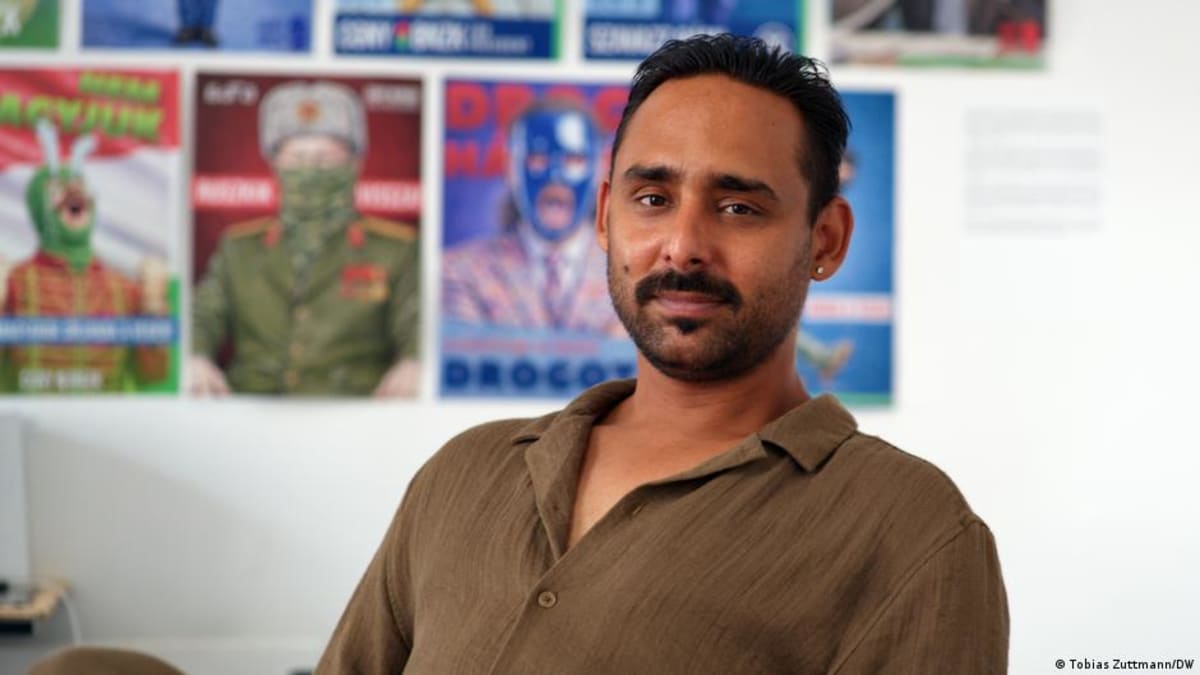
When Eduard Roesdi presents dishes at his restaurant Nona Manis, he's doing more than serving dinner. He's reclaiming 300 years of culinary history, one carefully composed plate at a time.
Located in Oegstgeest near Leiden, Nona Manis opened in 2023 with a mission that might surprise guests expecting traditional Indonesian fare. The restaurant deliberately avoids rijsttafel, the communal rice table spread that has defined Indonesian dining in the Netherlands for generations.
That's because rijsttafel isn't actually Indonesian. It's a Dutch colonial invention designed to showcase imperial wealth and power during the 300-year occupation of the Indonesian archipelago.
After Indonesia gained independence in 1949, the practice was largely rejected in the country as an unwanted reminder of oppression. But in the Netherlands, hundreds of thousands of repatriated Dutch citizens and people of mixed heritage kept the tradition alive, opening restaurants that served adapted versions with milder flavors suited to Dutch palates.
Over decades, rijsttafel became so embedded in Dutch culture that it was added to the Netherlands' National Inventory of Intangible Cultural Heritage in 2022. Many Dutch families now celebrate birthdays and special occasions with these communal spreads at Indonesian restaurants.
The problem? Most people believe rijsttafel represents all of Indonesian cuisine, when it actually reflects only colonial-era adaptations.
Roesdi and his wife Renu Lubis are part of a movement changing that narrative. Their prix-fixe menu takes diners on a journey across Indonesia's diverse regions, featuring dishes like delicate fish cakes from Palembang, oysters with Balinese chile relish, and smoky lemon basil-scented fish from North Sulawesi.
Each dish arrives with an explanation of its origins and ingredients. The presentation is fine dining quality, but the heart is authentic regional cooking that celebrates Indonesia's incredible culinary diversity.
The Ripple Effect
This shift matters beyond one restaurant. Culinary heritage expert Helena Smit explains that Indonesia has incredibly diverse regional food cultures that deserve much greater visibility in the Netherlands.
By educating diners about authentic Indonesian cuisine, these chefs are helping Dutch communities understand a more complete picture of Indonesian culture. They're also creating space for future Indonesian chefs to tell their own stories without colonial framing.
The movement represents a broader trend of diaspora communities reclaiming their narratives. When immigrants and their descendants control how their food is presented, they reclaim their cultural identity too.
As more Indonesian chefs open restaurants celebrating regional specialties, Dutch diners are discovering flavors and stories that were always there, just waiting to be told authentically. Sometimes the most powerful form of progress is simply letting people tell their own stories.
More Images
%2Fhttps%3A%2F%2Ftf-cmsv2-smithsonianmag-media.s3.amazonaws.com%2Ffiler_public%2F80%2F5d%2F805d91fc-be25-4e5b-9487-ebf2cbe7b472%2Fnona_manis.jpg)
%2Fhttps%3A%2F%2Ftf-cmsv2-smithsonianmag-media.s3.amazonaws.com%2Ffiler_public%2F80%2F5d%2F805d91fc-be25-4e5b-9487-ebf2cbe7b472%2Fnona_manis.jpg)
%3Afocal(1024x839%3A1025x840)%2Fhttps%3A%2F%2Ftf-cmsv2-smithsonianmag-media.s3.amazonaws.com%2Ffiler_public%2F80%2F5d%2F805d91fc-be25-4e5b-9487-ebf2cbe7b472%2Fnona_manis.jpg)
%2Fhttps%3A%2F%2Ftf-cmsv2-smithsonianmag-media.s3.amazonaws.com%2Ffiler_public%2Fee%2F19%2Fee19ddd1-7211-46d7-8af2-208cc99b0eae%2Fedward_and_renu.jpg)
Based on reporting by Smithsonian
This story was written by BrightWire based on verified news reports.
Spread the positivity!
Share this good news with someone who needs it