Indonesian Fishers Restore Crabs and Mangroves Together
In East Lombok, Indonesia, local fishers are reviving failing crab populations by planting mangroves and raising crabs to adulthood together. This silvofishery system is boosting income while restoring vital coastal ecosystems.
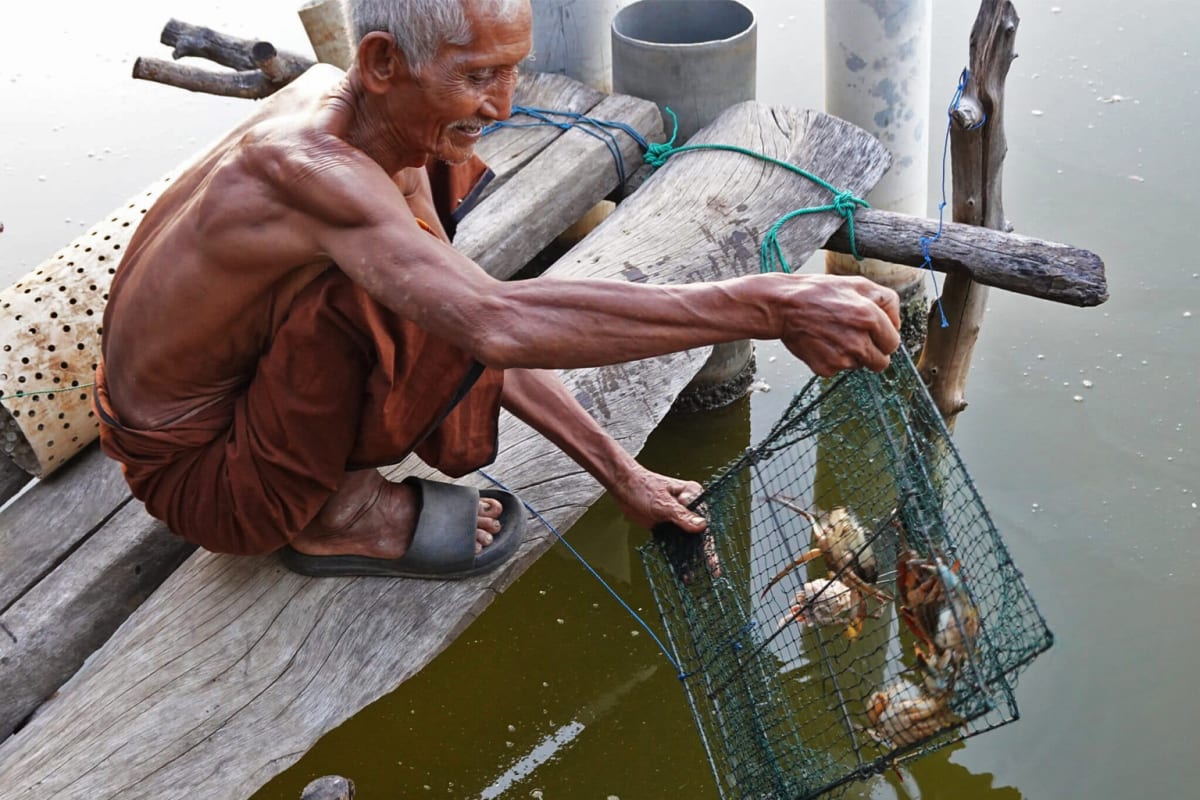
On Indonesia's Lombok Island, fishers like 63-year-old Jamil discovered that saving their livelihoods meant saving their mangroves first.
For years, Sugian village fishers trapped wild mud crabs in the estuary and sold them immediately, even the small ones. But overfishing caused crab populations to crash, and with them, local incomes plummeted.
In a region where economic pressure forces families apart, the stakes couldn't be higher. East Lombok has Indonesia's highest rate of workers leaving for overseas jobs, with about 14,000 people departing last year alone. Mothers often become domestic workers in the Middle East while fathers seek work on Malaysian palm oil plantations or Taiwanese ships.
The solution came from understanding what mud crabs need to thrive. These crabs flourish in the murky, sheltered conditions that mangrove roots create. The trees trap sediment, slow water flow, and support the microorganisms crabs feed on.
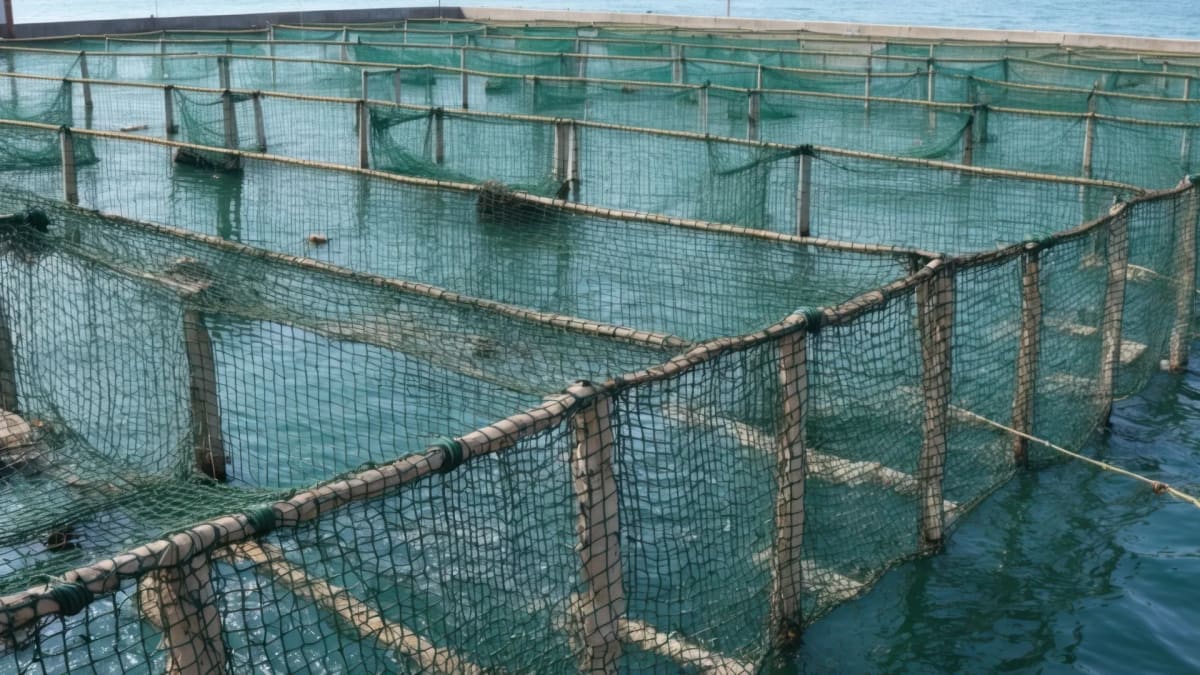
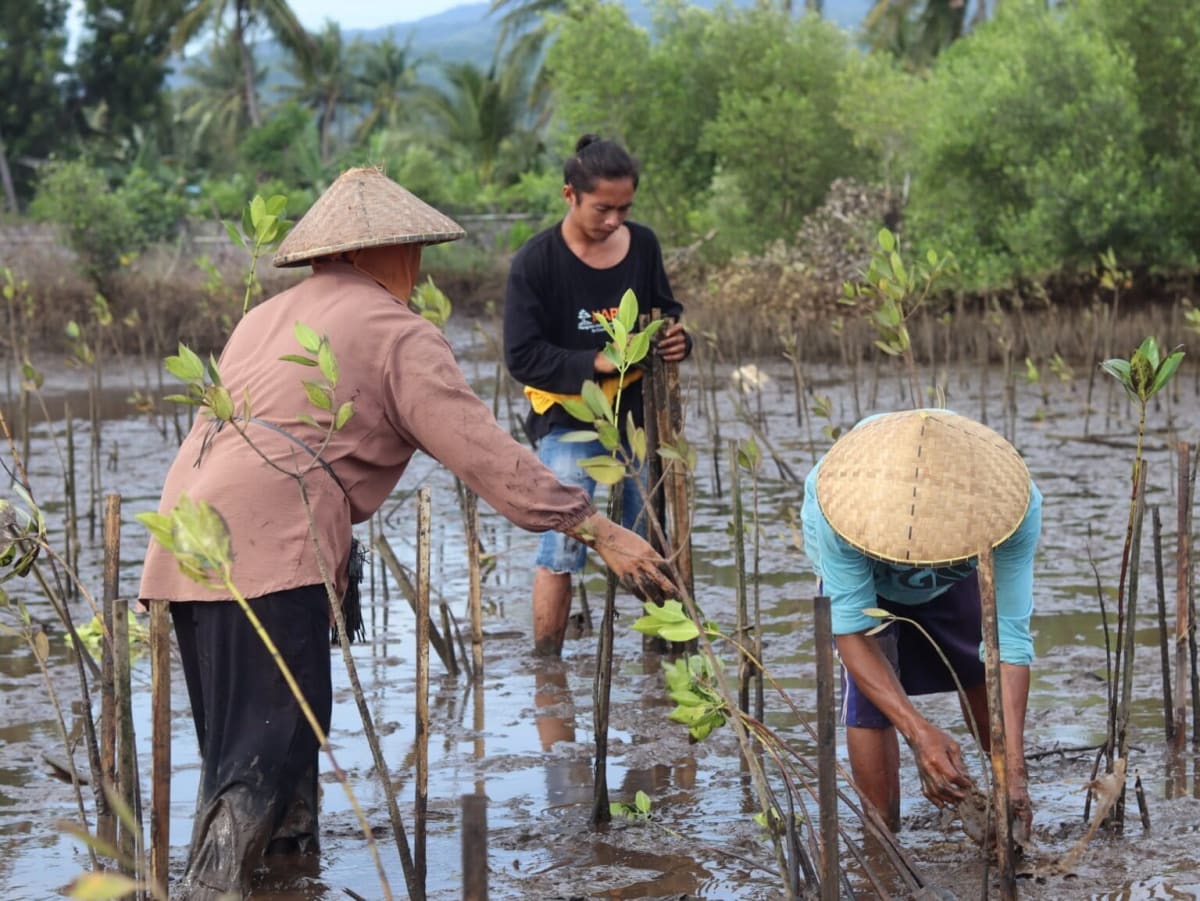
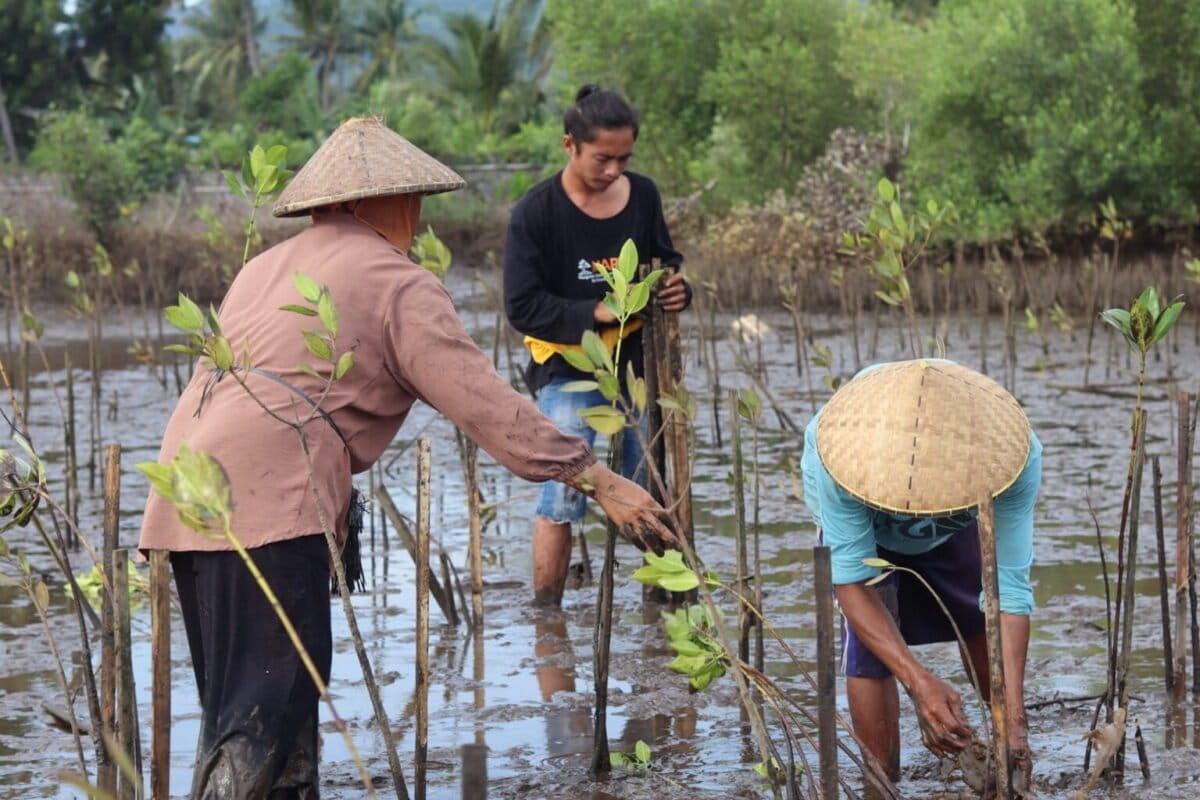
So fishers started combining mangrove planting with crab cultivation in dedicated areas called silvofisheries. Instead of catching small crabs for quick sale, they now raise them to adulthood among newly planted mangroves, earning higher prices while ensuring sustainable populations.
The relationship works both ways. Mangrove roots provide shelter and stabilize temperatures for the crabs. In return, the crabs dig holes that aerate the sediment and cycle nutrients, helping the forest stay healthy.
Herman, who leads a local fishing organization, explains the crabs' preference simply. "These crabs don't thrive in high visibility. They're more comfortable in slightly dense, murky water."
The system represents a practical answer to Indonesia's environmental challenge. The country hosts the world's largest mangrove estate at 3.3 million hectares, yet up to 40% has been degraded or cleared, largely for aquaculture.
The Ripple Effect
The benefits extend beyond individual ponds. As mangroves return, they restore entire coastal ecosystems that support multiple fisheries vital to local food security. Indonesia's aquaculture exports were valued at $5.5 billion in 2021.
Local officials see even greater potential. Muslim, who heads the provincial fisheries department, notes that better technical training could help scale the system beyond trial and error. "If the habitat is good, the crabs will return," he says. "Cultivation is important, but the natural environment must also be restored."
The challenge now is expanding silvofishery knowledge to more communities. While the system works well for mud crabs, which naturally prefer mangrove conditions, it requires specific understanding of how to balance cultivation with conservation.
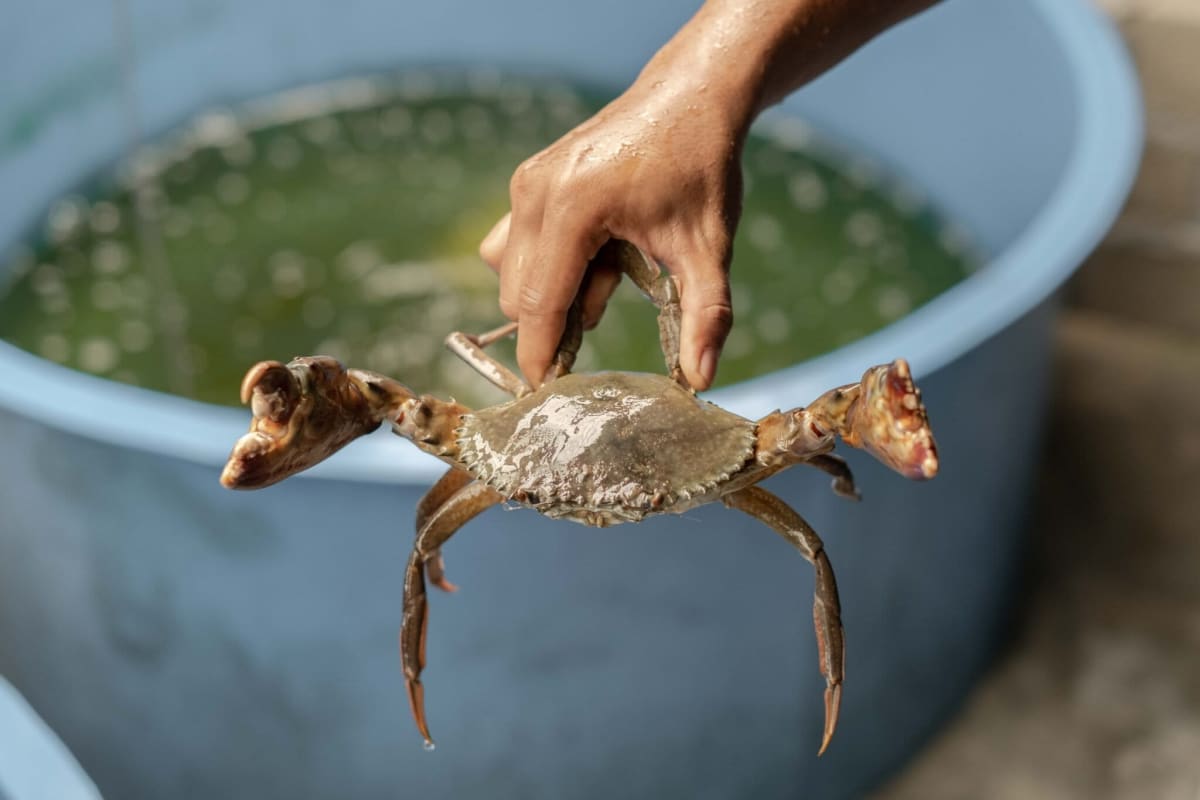
For Jamil, the proof appears each evening as he stands at the water's edge with his bucket of fish guts and chicken heads. "At this time of day, they'll start becoming active and feeding," he says as crabs emerge from their holes in the restored habitat.
Families are earning more while nature recovers alongside them.
More Images
Based on reporting by Google News - Reforestation
This story was written by BrightWire based on verified news reports.
Spread the positivity!
Share this good news with someone who needs it