Indravati Tiger Reserve Opens After 40-Year Closure
After four decades closed due to conflict, one of India's largest tiger reserves is welcoming visitors again with rare wildlife that's remained hidden from the world. The November reopening could change lives for both endangered animals and local communities.
Deep in Chhattisgarh's forests, a 1,080-square-mile wilderness has been waiting for almost 40 years to share its secrets with the world.
Indravati Tiger Reserve became off-limits to tourists in the 1980s, not because it lacked wildlife, but because traveling through the area was dangerous. Armed conflict made the Bastar region too risky for safaris, leaving one of Central India's largest protected areas largely unexplored.
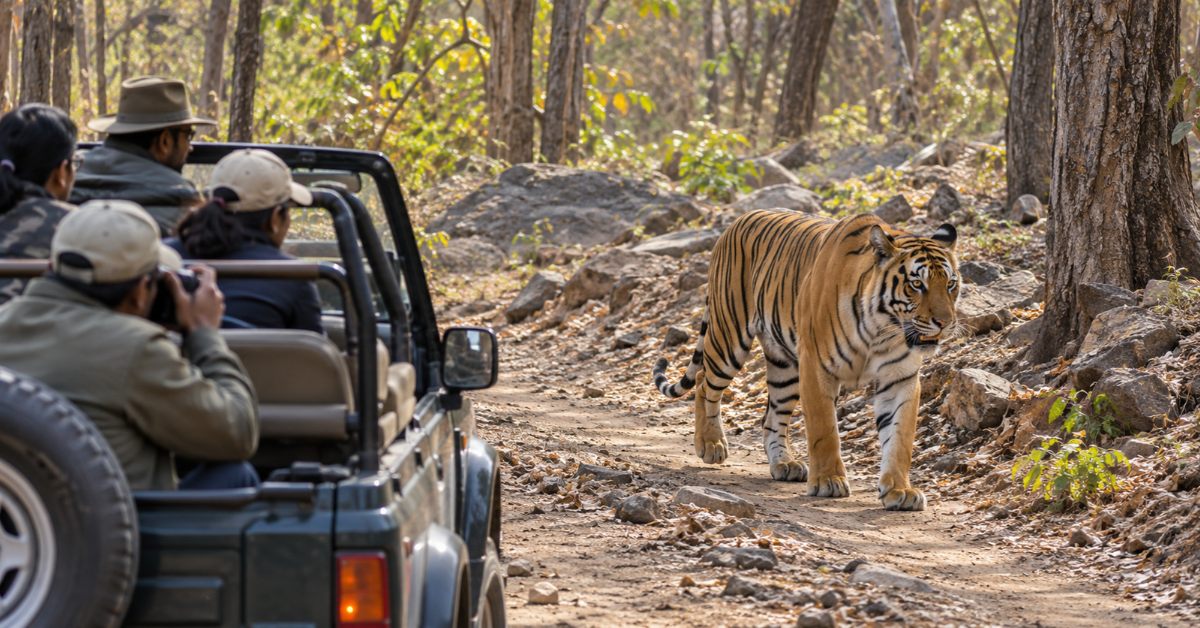
Now, as security improves, the forest department plans to reopen the reserve on November 1, 2026. For the first time in decades, visitors will get the chance to explore forests that shelter tigers, leopards, sloth bears, and India's endangered wild water buffalo.
The long closure created an unexpected outcome. While other reserves became tourist hotspots, Indravati's wildlife remained largely undocumented and undisturbed.
In early 2025, researchers finally investigated stories local villagers had been sharing for years about creatures they called "neer billi" or water cats. Following community guidance, scientists surveyed the Indravati River one February morning and spotted 10 smooth-coated otters feeding on fish.
It was the first photographic evidence of these vulnerable animals in the reserve in roughly 25 years. The discovery revealed how much remains unknown about this hidden wilderness.
The reserve currently counts six tigers, though fresh assessments are underway now that patrol teams can safely access previously unreachable areas. Researchers also found gaurs, wild dogs, deer, and diverse bird species thriving in the forests.
The Ripple Effect
The reopening isn't just about wildlife viewing. Forest officials are starting carefully, preparing just two or three safari routes with limited vehicle numbers to avoid disturbing animals.
Local families who've lived alongside these forests for generations may soon have new opportunities as guides, drivers, and homestay hosts. Tourism could provide income while giving communities direct reasons to protect the wildlife they've shared land with for decades.
The forest department is mapping routes based on conservation plans, and some sensitive areas will remain permanently closed to visitors. Vehicle limits will be strictly controlled based on how much activity the ecosystem can handle without harm.
After 40 years of isolation, Indravati is ready to reveal what it's been protecting. And while spotting a tiger or rare otter will thrill visitors, the real measure of success will be whether both wildlife and local people benefit long after the first safari vehicles roll through.
More Images


Based on reporting by The Better India
This story was written by BrightWire based on verified news reports.
Play Today’s BrightWire Positive Mini Crossword & Word Game
Keep your mind sharp with our free 5-minute uplifting daily crossword and positivity word puzzle.
Spread the positivity!
Share this good news with someone who needs it