Injured Eagle Recovering After BC Shootings Spark Lead Ban Push
A bald eagle is healing at a Vancouver Island wildlife center after being shot, while British Columbia moves forward with a historic ban on lead ammunition to protect raptors. The province's proposed regulation could save countless eagles from accidental poisoning.
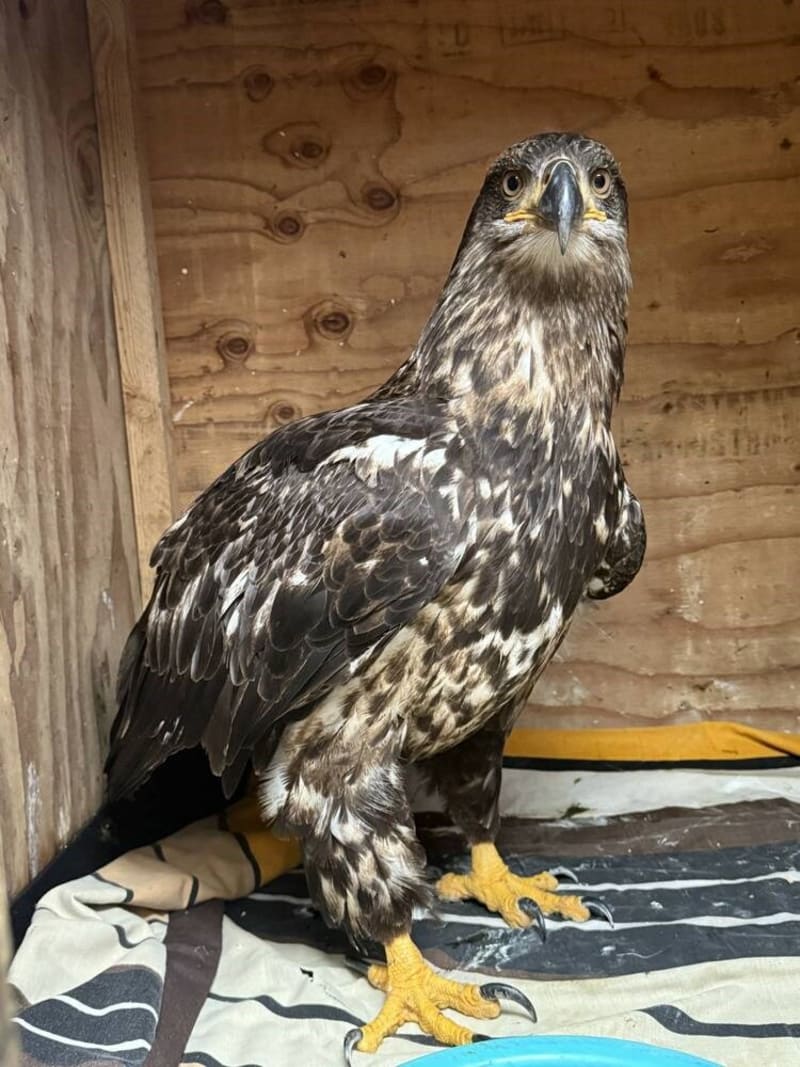
One bald eagle is on the road to recovery after a pellet shattered its wing in two places, and its survival is now inspiring changes that could protect thousands of birds across British Columbia.
The injured eagle arrived at the North Island Wildlife Recovery Centre near Parksville in January with a broken ulna. Animal care technician Tessa Jackson wrapped the wing carefully, and within a month, the bones should heal enough for the majestic bird to practice flying again. "He's on his way to recovery," she said.
The eagle's injury came during a troubling stretch for raptors on Vancouver Island. Between Parksville and Duncan, multiple eagles were brought to veterinary clinics and wildlife centers with gunshot wounds. One bird suffered such severe lead poisoning from eating contaminated carcasses that it couldn't fly and had to be euthanized. Two other eagles died from the severity of their shooting injuries.
Dr. Ken Langelier, a Nanaimo veterinarian treating the injured birds, explained the hidden danger hunters often leave behind. When eagles scavenge carcasses left in the field, they can't distinguish between meat and tiny fragments of lead ammunition. "It just takes one piece the size of a grain of salt to kill an eagle," he said.
The string of injuries sparked an urgent call to action, and British Columbia listened. The Ministry of Water, Land and Resource Stewardship is now moving forward with a ban on lead shot for hunting across the province. The public feedback period wraps up this month, with new regulations expected to be finalized this spring.
The Ripple Effect
This proposed ban represents a major victory for wildlife conservation. Lead shot has already been banned for waterfowl hunting in British Columbia since 1995, and that restriction has saved countless ducks, geese, and the predators that feed on them.
Expanding the ban to all hunting means fewer accidental poisonings for eagles, hawks, owls, and other raptors that clean up what hunters leave behind. Safe alternatives like steel, bismuth, and tungsten ammunition are already widely available and effective.
Wildlife experts say the change will also benefit other scavengers like ravens, vultures, and even bears that might ingest lead fragments. Gerard Duncan, manager of The Raptors education center near Duncan, supports the ban because lead ammunition shatters into microscopic pieces that even careful hunters can't fully remove from carcasses.
The recovering eagle at the wildlife center will likely be released back into the wild within weeks, flying into a future where British Columbia's skies are becoming safer for its kind.
Based on reporting by Google News - Wildlife Recovery
This story was written by BrightWire based on verified news reports.
Spread the positivity!
Share this good news with someone who needs it