Instagram Alerts Parents When Teens Search Self-Harm Topics
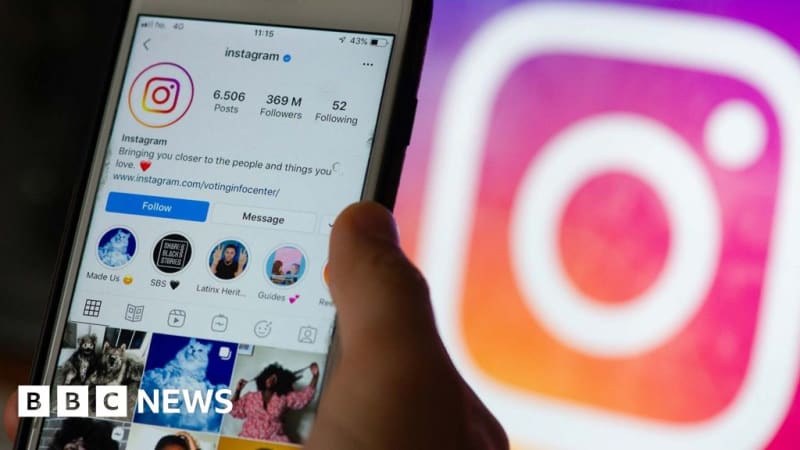
Instagram will now notify parents when their teens repeatedly search for suicide or self-harm content, marking the first time the platform proactively alerts families instead of just blocking searches. While some experts see promise in the feature, mental health advocates worry the notifications may cause panic without adequate support.
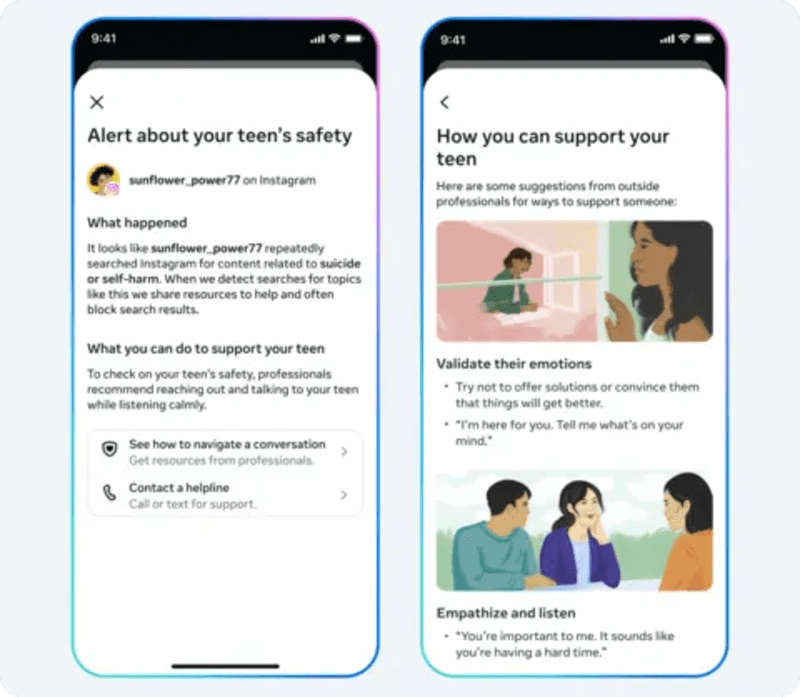
Starting next week, Instagram parents in four countries will get alerts if their teens search for harmful content multiple times, a first step toward involving families before crisis moments escalate.
The feature launches initially in the UK, US, Australia, and Canada for families using Instagram's Teen Accounts supervision tools. Parents will receive notifications via email, text, WhatsApp, or the Instagram app itself, along with expert resources to guide difficult conversations with their children.
The announcement comes after years of pressure on Meta to better protect young users. The company says the alerts build on existing protections like hiding self-harm material and blocking dangerous searches, but this marks the first time they're reaching out proactively to parents.
Meta acknowledges the system may occasionally alert families when there's no real concern, saying it will "err on the side of caution." The company plans to expand the feature to monitor conversations teens have with Instagram's AI chatbot in coming months.
Some child safety experts see potential in the approach. Sameer Hinduja from the Cyberbullying Research Center told the BBC that what matters most is the quality of resources parents receive immediately after getting an alert, not just the notification itself.
The Bright Side
Despite criticism, the feature represents a meaningful shift in how social media platforms think about family involvement. Instead of leaving parents completely in the dark until something goes wrong, Instagram is creating touchpoints for intervention.
The move also signals growing accountability across social media as governments worldwide push for stronger child protections. Australia recently banned social media for under-16s, while Spain, France, and the UK consider similar measures.
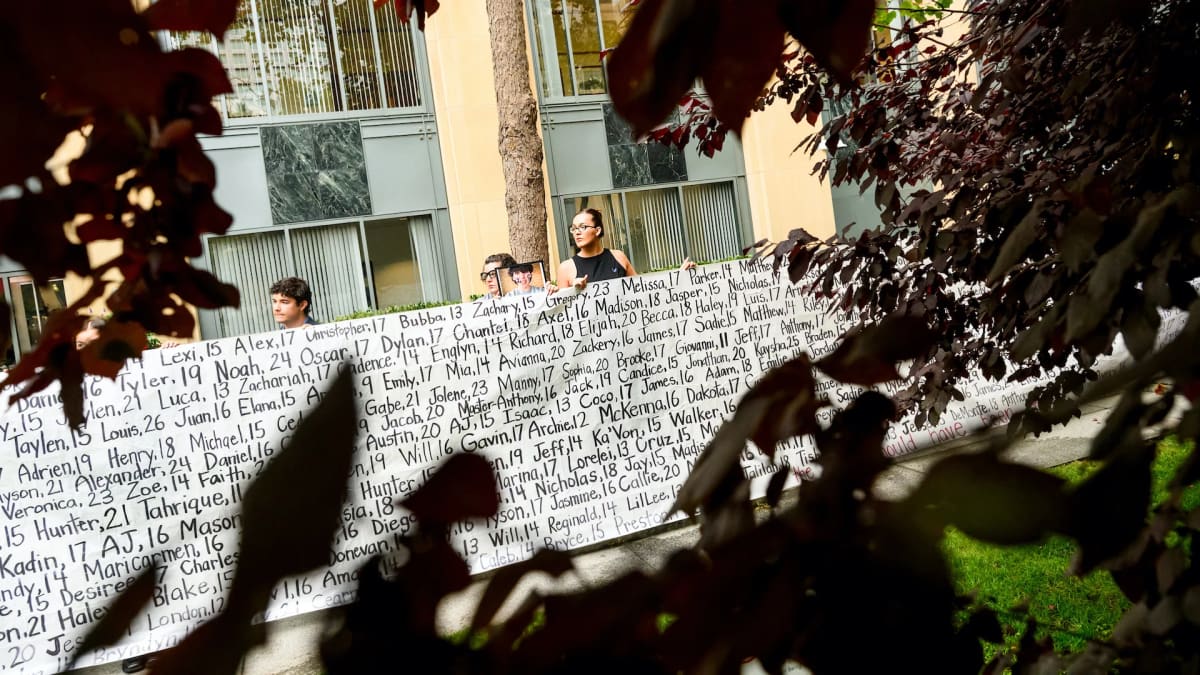
However, mental health charities including the Molly Rose Foundation warn the alerts could create panic without proper support structures. Ian Russell, whose daughter Molly took her own life after viewing harmful content on Instagram in 2017, questions how parents will react to receiving such alarming news at work or in public moments.
Critics argue Meta should focus on preventing harmful content from reaching children in the first place rather than notifying parents after exposure. The Molly Rose Foundation's research suggests Instagram still actively recommends depression and suicide content to vulnerable young people through its algorithms.
Meta disputes these findings, saying they misrepresent the company's protection efforts. The tech giant faces ongoing scrutiny, with CEO Mark Zuckerberg and Instagram chief Adam Mosseri recently defending their practices in US court against claims they targeted younger users.
The real test will come in how effectively the alerts help families, not just worry them.
More Images

Based on reporting by BBC Technology
This story was written by BrightWire based on verified news reports.
Spread the positivity!
Share this good news with someone who needs it