Inuit Group Launches Plan to Close Poverty Gap in Canada
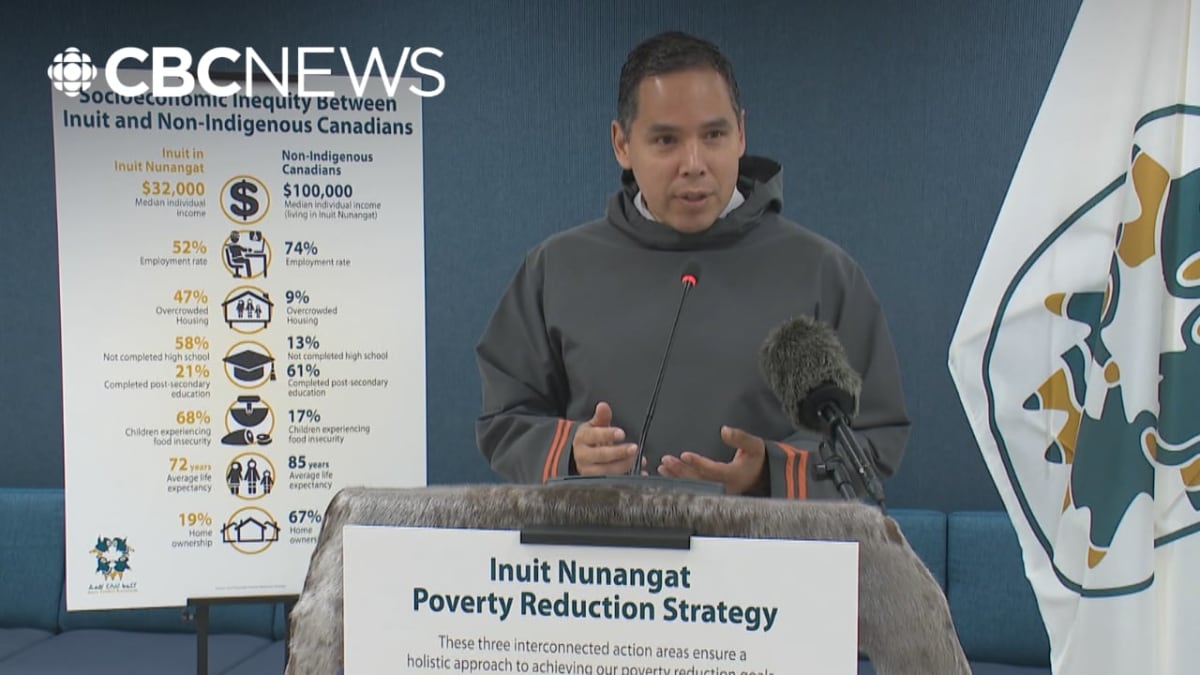
Inuit Tapiriit Kanatami just released a comprehensive strategy to lift Inuit communities out of poverty and close the economic gap with non-Indigenous Canadians. The plan addresses decades of inequality with concrete solutions.
Canada's national Inuit organization just took a major step toward economic justice for Arctic communities.
Inuit Tapiriit Kanatami (ITK) released its first poverty reduction strategy this week, targeting the stark socioeconomic gaps between Inuit and non-Indigenous Canadians. The plan comes after years of advocacy for better resources and opportunities in Inuit communities across the North.
The strategy addresses barriers that have kept many Inuit families struggling despite living in one of the world's wealthiest nations. Food insecurity, limited job opportunities, and inadequate housing have plagued Northern communities for generations.
ITK represents approximately 70,000 Inuit living in 51 communities across Inuit Nunangat, the Inuit homeland spanning northern Canada. The organization worked with community members to identify the most pressing needs and develop solutions rooted in Inuit values and traditions.
The poverty reduction plan focuses on closing gaps in health care access, education, employment, and basic infrastructure. Many remote Inuit communities face costs of living far higher than southern Canada, with limited economic opportunities to match.
Recent moves support this broader vision. Nunavut's latest budget includes significant increases for health services and community infrastructure, showing government commitment to backing Indigenous-led solutions.
The Ripple Effect
When Inuit communities thrive, all of Canada benefits. Indigenous-led economic development brings jobs, cultural preservation, and sustainable practices that respect Arctic ecosystems.
The strategy also aligns with growing recognition that Indigenous peoples must lead their own development. Other initiatives show this approach working: the Northwest Territories recently boosted Indigenous hiring after overhauling its employment policies, proving that systemic change creates real opportunities.
Education access matters too. New programs allowing Inuit students to study closer to home while maintaining cultural connections show how tailored solutions work better than one-size-fits-all approaches.
The poverty reduction strategy represents more than policy. It's a declaration that economic inequality affecting Inuit communities isn't inevitable or acceptable.
ITK's leadership shows what's possible when communities define their own path forward, backed by resources and respect they've long deserved.
More Images



Based on reporting by Google News - Poverty Reduction
This story was written by BrightWire based on verified news reports.
Spread the positivity!
Share this good news with someone who needs it