Inuit Scientist Kayaks Greenland, Finds Car Tire Pollution
An Inuit scientist kayaking to Greenland's most remote glacier discovered car tire particles thousands of miles from the nearest road. Now he's building a coalition to tackle this invisible threat to Arctic communities.
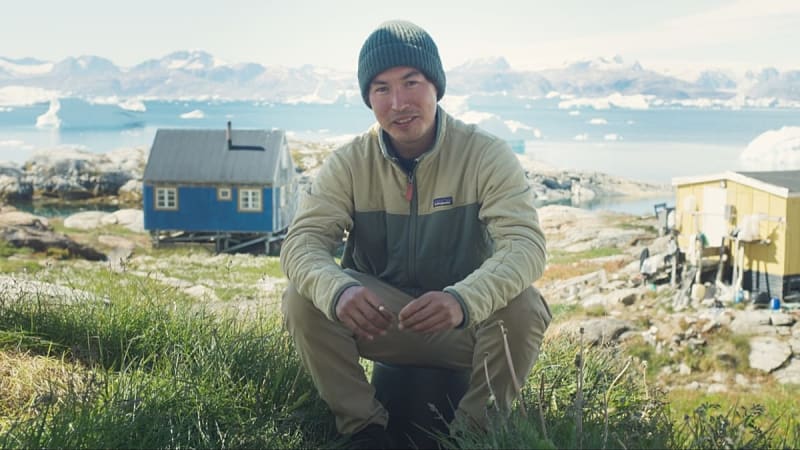
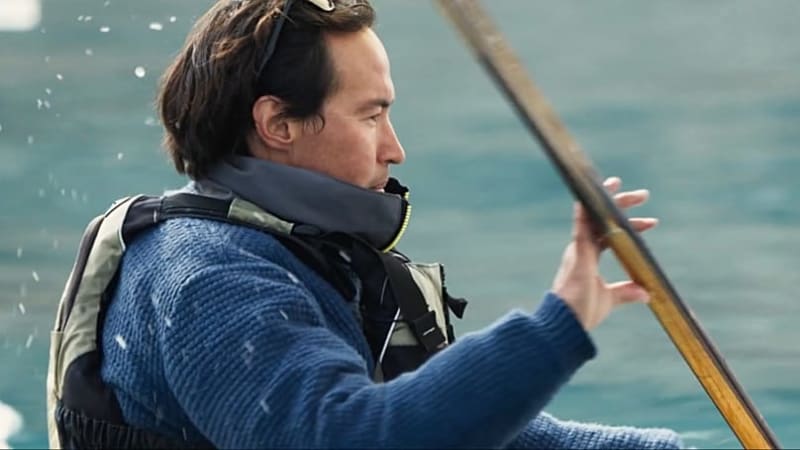
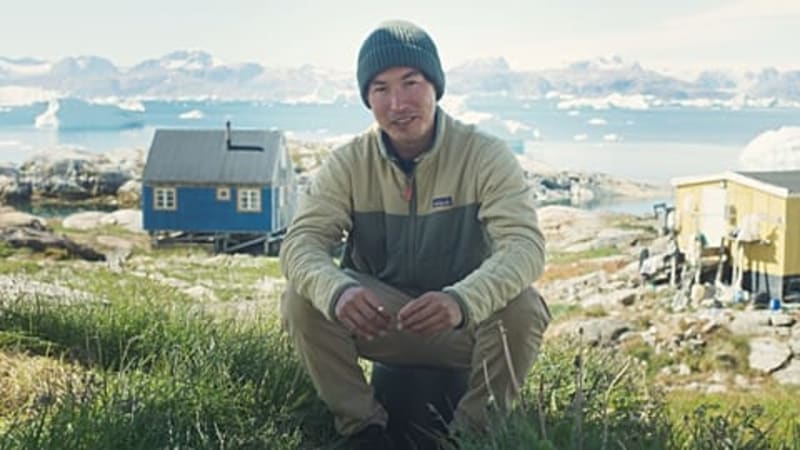
Kristian Louis Jensen paddled his kayak to one of the most isolated glaciers in eastern Greenland, hundreds of miles from any road. What he found in the pristine Arctic water stopped him cold: tiny particles from car tires.
"Finding them on a pristine glacier in eastern Greenland was a shock," Jensen says. The Inuit scientist had expected plastic debris, but tire particles revealed something bigger: pollution travels farther than anyone thought.
Jensen spent the last decade developing The Plastaq, a citizen science tool that lets kayakers collect water samples for microplastic research. His latest expedition confirmed a troubling reality: with more than five billion tires on roads globally, each loses 10 to 30 percent of its mass during its lifetime, breaking down into toxic dust that travels thousands of miles through the air.
For Greenland's Indigenous communities, this isn't just an environmental issue. It's a health crisis at their doorstep. The chemicals in tire particles cause deformities in Atlantic cod eggs, threatening the foundation of the nation's fishing industry.
"We're at the end of the pipe, breathing in and eating pollution from vehicles driven on other continents," Jensen explains. Studies show Arctic sea ice now contains higher concentrations of microplastics than infamous ocean garbage patches.
The Ripple Effect
Jensen isn't tackling this alone. This month, he's launching the Black Carbon scientific coalition at the Arctic Frontiers conference, bringing together toxicologists, Indigenous leaders, and policymakers to investigate tire pollution's impact on Arctic health.
The coalition plans to present evidence to the EU Parliament and at this year's COP31 climate summit. Their goal: secure regulations that address not just tailpipe emissions, but the fossil fuel materials wearing off every tire on the road.
More than 85 countries will meet at Colombia's Global Fossil Fuel Phaseout conference in April. Jensen hopes his research will push them to include tire pollution in climate policy, finally closing what he calls a "critical blind spot" in environmental protection.
One scientist in a kayak discovered a global problem, and now he's building the team to solve it.
More Images
Based on reporting by Euronews
This story was written by BrightWire based on verified news reports.
Spread the positivity!
Share this good news with someone who needs it