Invasive Sparrows Help Scientists Detect Heavy Metals
Citizen scientists are turning an invasive bird problem into an environmental win. House sparrow eggs that would normally be discarded are now helping researchers detect dangerous heavy metal contamination in communities across the Eastern United States.
📺 Watch the full story above
Bluebird enthusiasts across the Eastern United States have been throwing out invasive house sparrow eggs for years to protect native birds. Now, thanks to a creative program called Sparrow Swap, those discarded eggs are revealing something unexpected: higher than expected levels of heavy metals in neighborhoods where people and birds share space.
The program pairs North Carolina State University researchers with citizen scientists who monitor bluebird nest boxes. Instead of simply tossing invasive sparrow eggs, volunteers carefully pack them in plastic Easter eggs cushioned with firm plastic wrap and ship them to the lab for analysis.
"House sparrows are not protected by the Migratory Bird Treaty Act, and so we knew that tossing eggs was a practice that people are already doing," said Caren Cooper, professor of forestry and environmental resources at NC State. "We wanted to make the best of that situation and make sure these eggs were not being terminated in vain."
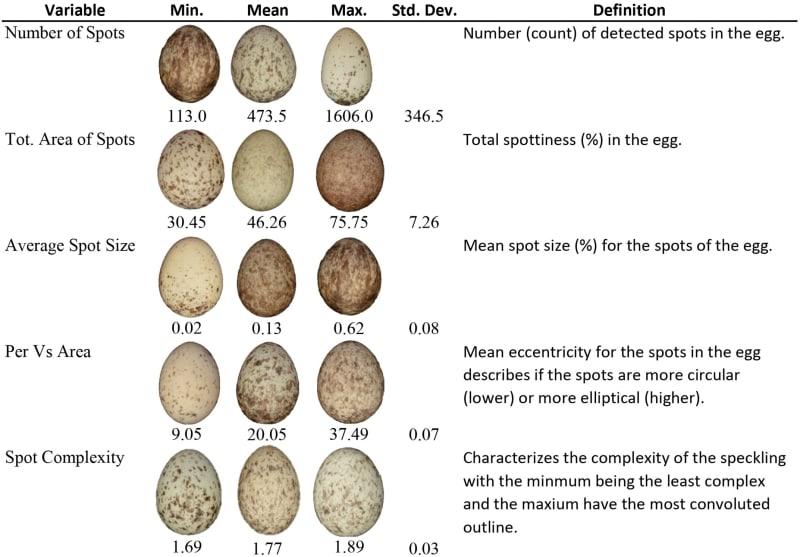
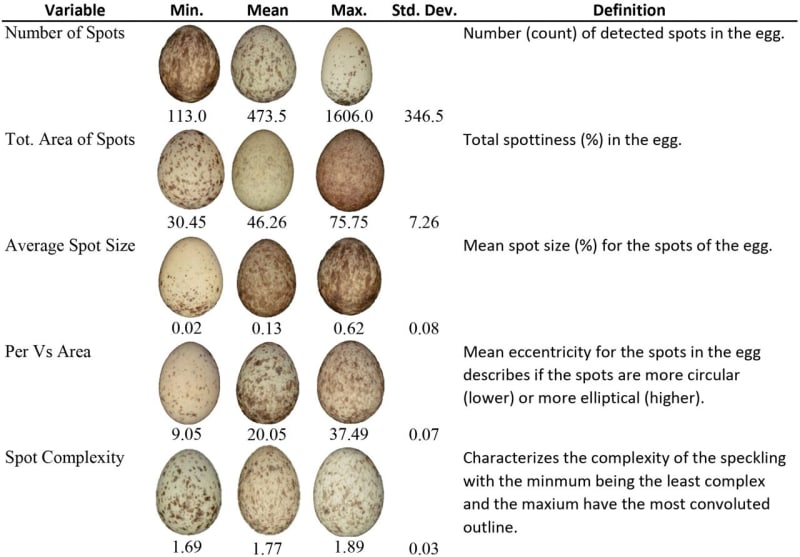
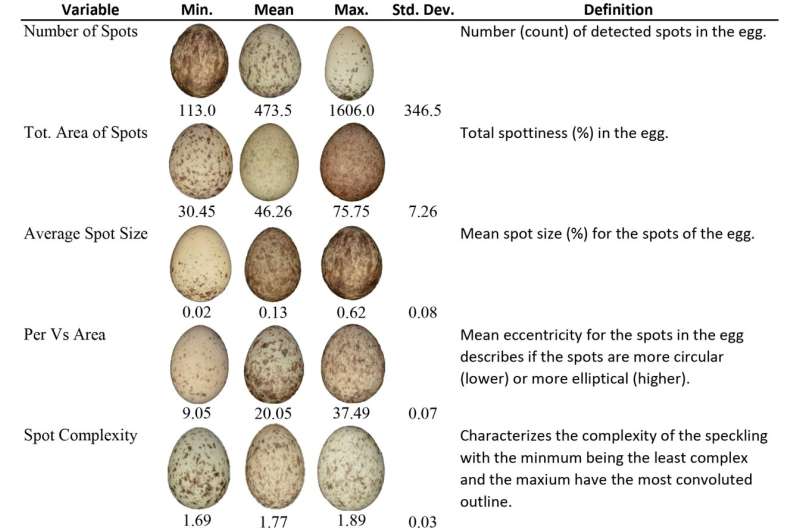
The researchers initially hoped to find a shortcut by determining if eggshell color could indicate heavy metal presence. While that connection didn't pan out, the study published in PLOS One revealed something more important: the sparrow eggs contained higher than expected amounts of heavy metals, providing valuable data about contamination in areas where families live and play.
The beauty of the program lies in its simplicity. By recruiting volunteers who already manage bluebird boxes, researchers gained access to samples from backyards, parks, and recreation areas across multiple states. The Easter egg packaging solution meant fragile specimens could travel safely through the mail without specialized equipment.
The Ripple Effect
What started as a way to make the best of an invasive species problem has become a cost effective environmental monitoring system. The eggs act as natural sensors, absorbing contaminants from their surroundings and giving scientists a window into pollution levels in residential areas that might otherwise go unmonitored.
The program demonstrates how communities are already positioned to contribute to environmental research. Bluebird watchers were already checking nest boxes regularly, and researchers simply gave them a way to transform routine maintenance into meaningful science.
Cooper's team can now use the widespread data to help protect both wildlife and people in these shared spaces. The findings could inform local environmental policies and help identify areas that need remediation efforts.
The Sparrow Swap program continues to grow, turning an ecological nuisance into an unexpected ally in the fight for cleaner, safer communities.
More Images

Based on reporting by Phys.org
This story was written by BrightWire based on verified news reports.
Spread the positivity!
Share this good news with someone who needs it