Iran Agrees to Nuclear Talks After Regional Push for Peace
After months of escalating tensions, Iran has agreed to resume nuclear negotiations with the US in Istanbul this week, with six Middle Eastern nations joining as mediators. The diplomatic breakthrough comes as regional leaders work urgently to prevent further military conflict.
Iran and the United States are returning to the negotiating table this Friday, marking a potential turning point after last summer's military strikes threatened to spiral into wider regional war.
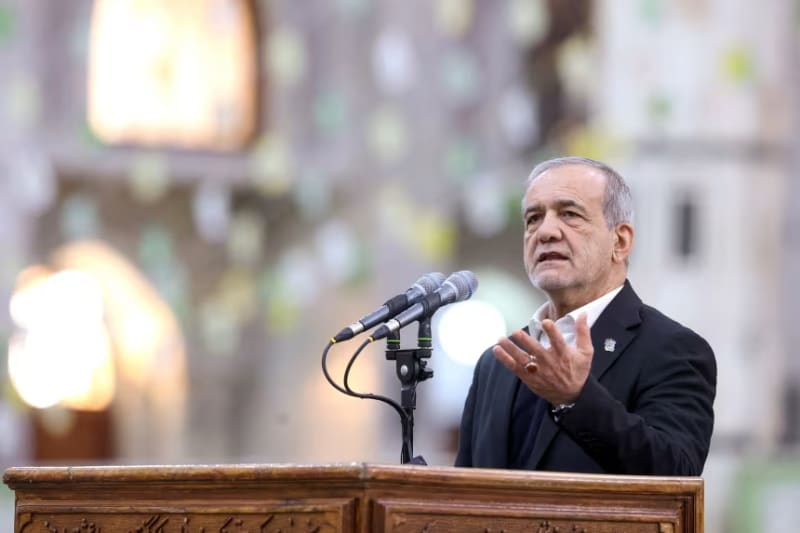
Iranian President Masoud Pezeshkian confirmed Tuesday that he's instructed his foreign minister to pursue talks in Istanbul, provided they happen "free from threats and unreasonable expectations." The decision follows requests from friendly governments across the Middle East who've been working behind the scenes to cool tensions.
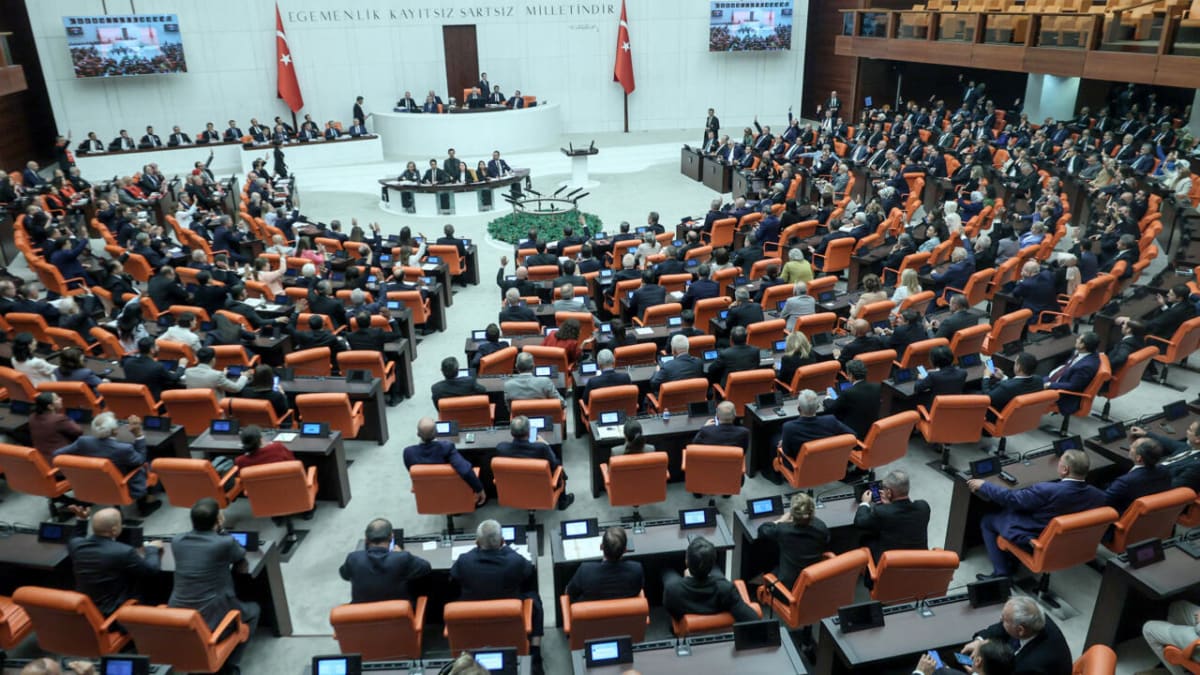
Iran's top diplomat Abbas Araghchi will meet with US Special Representatives Steve Witkoff and Jared Kushner in Turkey's largest city. What makes these talks different is who else will be there: foreign ministers from Egypt, Oman, Pakistan, Qatar, Saudi Arabia, and the United Arab Emirates are all expected to attend.
Turkey, Qatar, and Egypt led the diplomatic push over recent weeks as tensions mounted. Their efforts show how seriously regional leaders view the threat of conflict and their commitment to finding peaceful solutions.
President Trump told reporters Sunday that Iran was "seriously talking to us," while Araghchi expressed confidence that they "can achieve a deal." Both sides acknowledging progress is a positive signal after months of heated rhetoric.
The talks will focus on Iran's nuclear program, which became a flashpoint last year when international monitors raised concerns about uranium enrichment levels. Finding common ground won't be easy, but both countries coming to the table represents meaningful progress.
The Bright Side
What stands out most isn't just that Iran and the US are talking again. It's how many countries stepped up to make it happen.
Six Middle Eastern nations are actively participating as mediators, invested in keeping their region stable and peaceful. As UAE diplomatic adviser Anwar Gargash said Tuesday, the Middle East has already "gone through various, various calamitous confrontations" and doesn't need another.
This shows a maturing regional diplomacy where neighboring countries take active roles in preventing conflict rather than waiting for outside powers to intervene. Qatar, Turkey, and Egypt didn't just offer thoughts and prayers. They offered meeting rooms, diplomatic channels, and sustained pressure on both sides to choose dialogue.
The fact that so many nations with different relationships to both Iran and the US can unite around preventing war demonstrates how much the region has learned from past conflicts.
Even with tough issues ahead and hardliners on both sides expressing skepticism, the simple act of sitting down together creates possibilities that didn't exist before. Face-to-face conversations allow for nuance, clarification, and trust-building that angry statements from thousands of miles apart never can.
Friday's meeting in Istanbul won't solve everything overnight, but diplomacy rarely does. What matters is that doors are opening instead of closing, and multiple nations are working together to keep them that way.
More Images
Based on reporting by Egypt Independent
This story was written by BrightWire based on verified news reports.
Spread the positivity!
Share this good news with someone who needs it