Iran Allows Nuclear Inspectors Back in Historic Peace Deal
After nearly 18 hours of talks in Switzerland, Iran and the US reached a breakthrough agreement allowing UN nuclear inspectors to return for the first time since last year. The deal also lifts oil sanctions and reopens the Strait of Hormuz, marking a major step toward lasting peace.
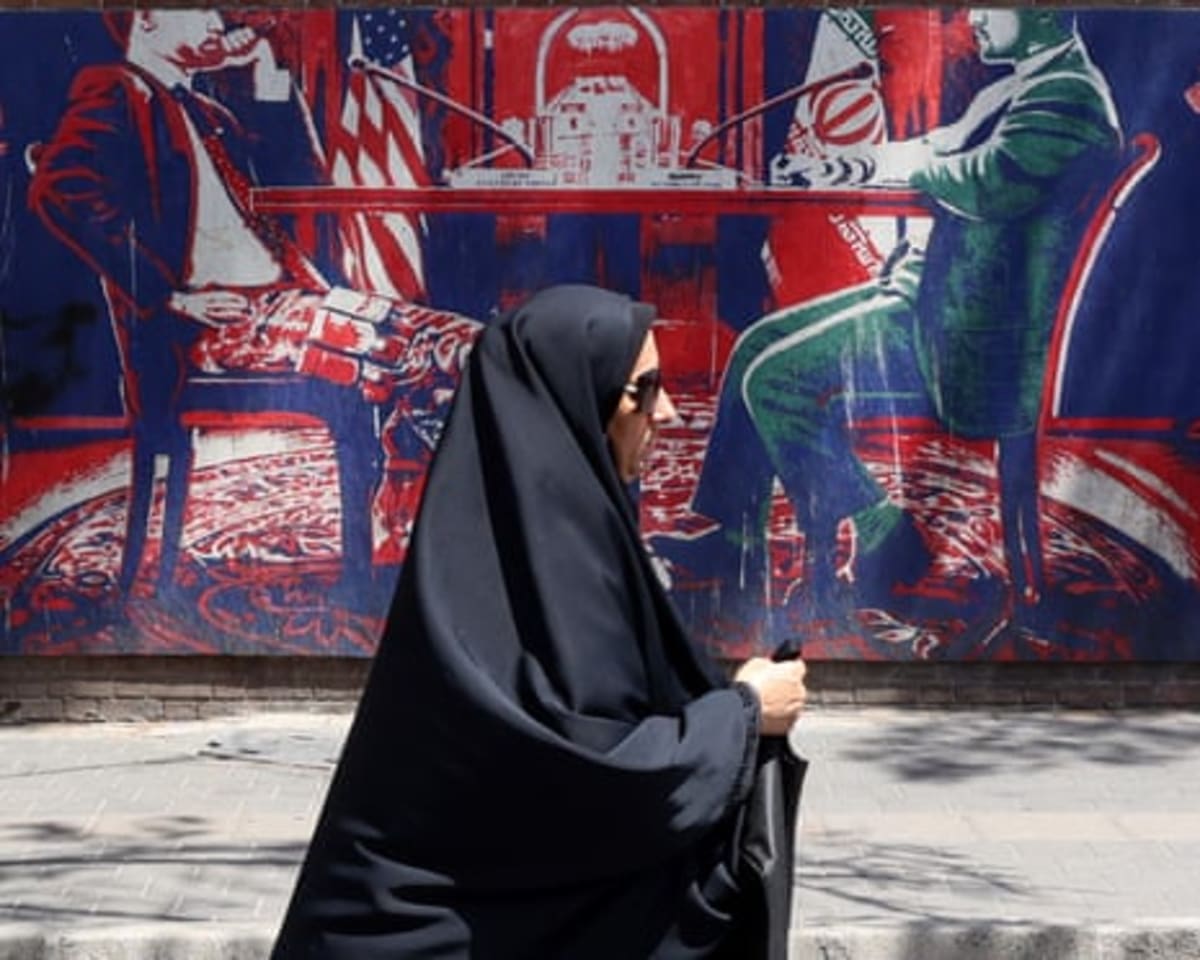
Iran and the United States just took a giant leap toward peace after years of tension over nuclear weapons.
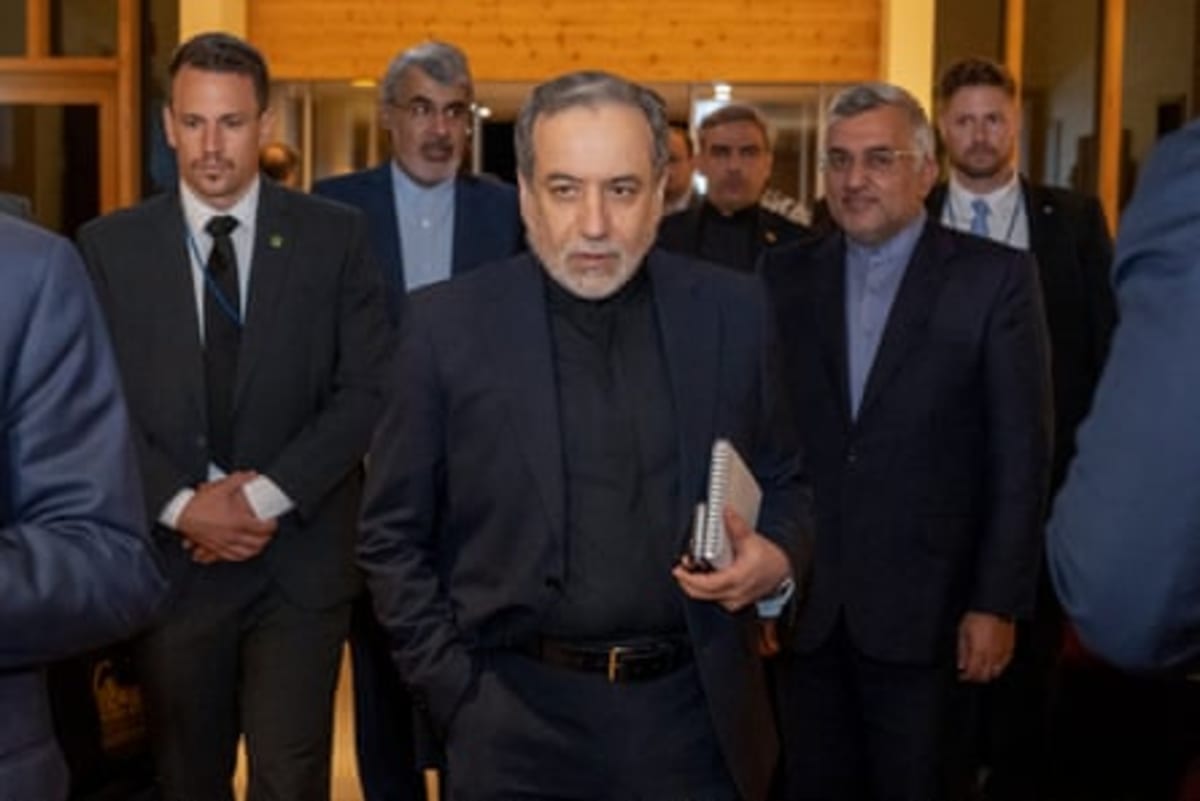
Following marathon talks in Switzerland, Iran agreed to welcome UN nuclear inspectors back into the country for the first time since 2024. The International Atomic Energy Agency had been shut out after military strikes on Iranian nuclear facilities, but now they'll be able to monitor Iran's nuclear program again.
The agreement goes beyond inspections. The US will lift sanctions on Iran's oil exports, allowing the country to sell to customers like China without penalties. Iran's frozen assets in Qatari banks will also be released, though the funds must be spent on food products like American-grown soya.
Perhaps most immediately impactful, the Strait of Hormuz has reopened to commercial shipping. By Monday morning, four liquefied natural gas tankers and two massive oil supertankers were already moving through the crucial waterway that handles a significant portion of the world's oil supply.
Vice President JD Vance called Iran's decision to readmit inspectors "a major milestone for the American people, and the first step in permanently ending a nuclear weapons programme in Iran." Technical experts from both nations are staying in Switzerland to hammer out implementation details over the next 60 days.
The talks weren't smooth sailing. They nearly collapsed Sunday when heated exchanges erupted between delegations. But mediators from Qatar and Pakistan helped keep everyone at the table, and progress won out over conflict.
A new "deconfliction" mechanism involving Washington, Tehran, and Beirut aims to establish a working ceasefire in Lebanon, where fighting has continued. Neither Israel nor Hezbollah will sit on this body, but it will help prevent minor incidents from escalating into major conflicts.
The Ripple Effect
This breakthrough could ease pressure on Iran's struggling economy, where runaway inflation has been squeezing ordinary families. Lower tensions mean Iranian businesses can operate more freely, and consumers might finally see relief at the market.
The reopened Strait of Hormuz benefits the entire world. With oil and gas flowing freely again, global energy markets can stabilize, potentially easing prices for everyone from commuters to manufacturers.
Most importantly, this diplomatic success shows that even bitter adversaries can choose dialogue over destruction. After decades of hostility, two nations that seemed locked in permanent conflict found common ground through patient negotiation.
The road ahead involves detailed negotiations on inspector access and comprehensive agreements within 60 days, but the hardest part—getting both sides to say yes to peace—is done.
More Images


Based on reporting by Google News - Peace Agreement
This story was written by BrightWire based on verified news reports.
Spread the positivity!
Share this good news with someone who needs it