Iran and Malaysia Team Up on AI and Clean Energy Research
Two universities are launching joint projects in artificial intelligence, semiconductors, and renewable energy that could transform palm oil waste into electricity. The partnership builds on decades of academic cooperation between the nations.
Scientists from Iran and Malaysia's top-ranked National University are joining forces to tackle some of technology's biggest challenges, from artificial intelligence to turning agricultural waste into clean power.
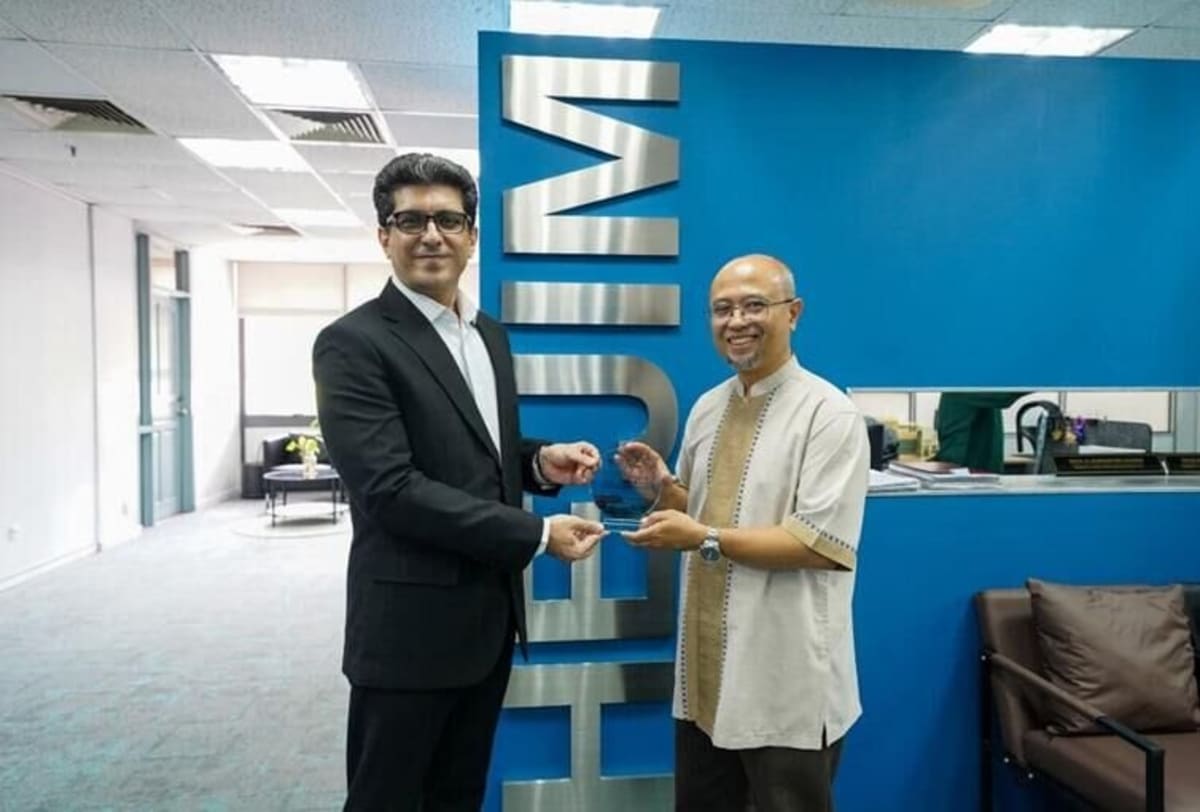
Iran's scientific attaché to East Asia, Alireza Tavakkolpour, met with officials from Malaysia's National University (UKM) in September 2026 to map out collaborative research projects. The teams identified three priority areas: artificial intelligence, semiconductor development, and renewable energy systems.
One breakthrough technology discussed at the meeting could be a game-changer for Malaysia's palm oil industry. Tavakkolpour presented advanced thermoacoustic systems, a new generation of heat engines with no moving parts. These systems can directly convert palm oil waste and solar energy into electricity, offering a sustainable solution for agricultural byproducts that typically go unused.
The partnership connects UKM, which ranks 130th globally and first nationally in arts and humanities, with leading Iranian institutions including Shiraz University of Technology and Amirkabir University of Technology. Iranian researchers showcased achievements in mechatronics, robotics, and wind tunnel technology during the presentation.
UKM officials embraced the opportunity, offering research fellowships, faculty exchanges, and access to industrial grants. The university highlighted its specialized centers, including the Automotive Research Centre and a newly established Quantum Technology Centre, as potential collaboration hubs.
The academic partnership sits within a broader framework of cooperation between the two nations. Malaysia's Technical Cooperation Program has trained over 70 Iranian professionals since 2002 in fields ranging from technology to agriculture. Ambassador Khairi bin Omar recently hosted a reunion for program alumni, calling them "Friends of Malaysia" and urging them to strengthen bilateral ties.
The Ripple Effect
This collaboration exemplifies how international academic partnerships can address real-world challenges while building lasting relationships between nations. The thermoacoustic technology alone could help Malaysia manage agricultural waste while generating clean energy, creating economic and environmental benefits. Student and faculty exchanges will expose young researchers to new perspectives and methodologies, strengthening both countries' innovation capabilities for years to come.
Malaysia's chargé d'affaires Muhammad Hamizam Kamaruzaman met with Iranian education officials in August to expand higher education cooperation even further, signaling that this partnership is just the beginning of deeper collaboration ahead.
Based on reporting by Regional: malaysia technology (MY)
This story was written by BrightWire based on verified news reports.
Spread the positivity!
Share this good news with someone who needs it